


How a modulator and demodulator convert digital data into signals suitable for a communication channel.
What is a modem?
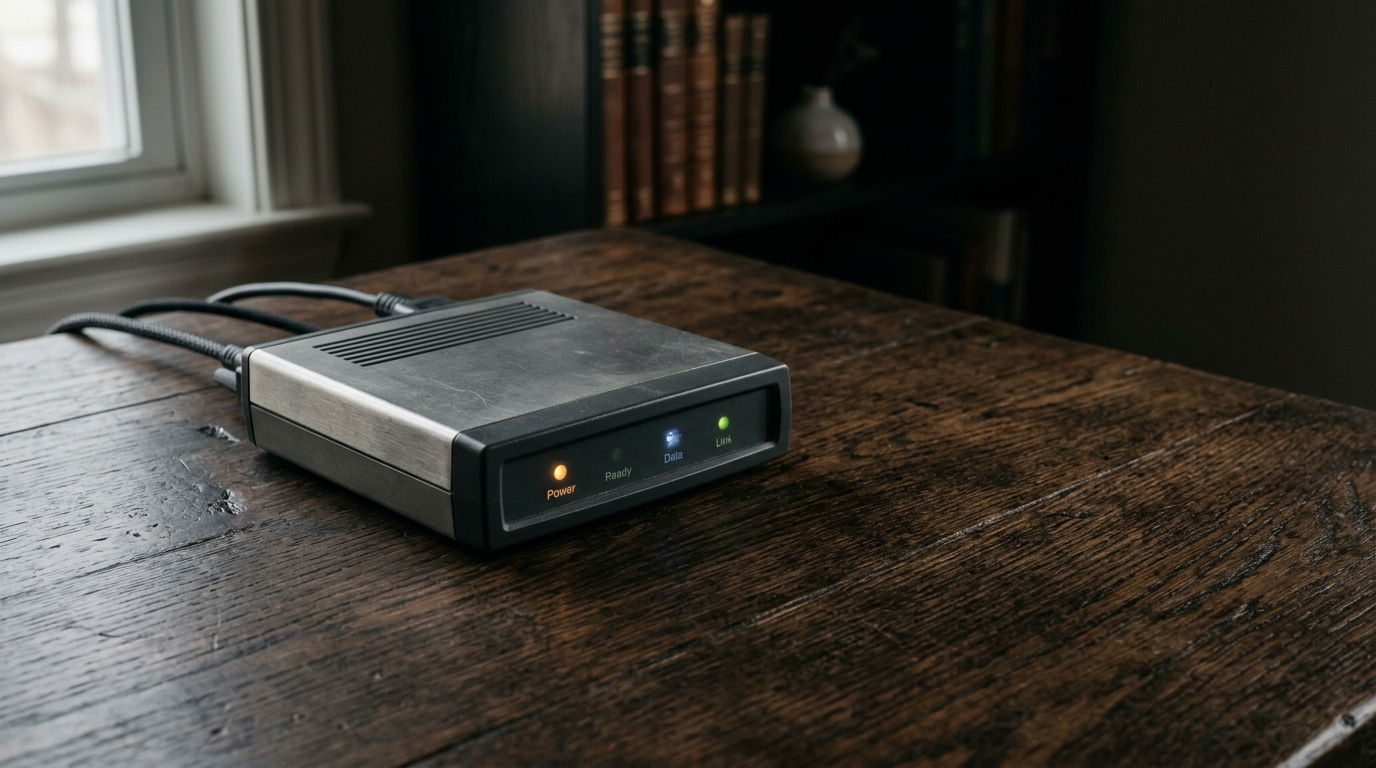
A modem is a modulator-demodulator. It converts digital data into a signal suitable for a communication channel and recovers data from an incoming signal.
The channel may be a telephone wire, radio link, cable or other medium.
How does it work?
A modem chooses symbols, frequencies, amplitudes or phases to represent bits. It synchronizes with the receiver, estimates channel quality, detects errors and may adapt its speed.
A telephone modem had to fit information into the audible frequency range of a voice call.
Why is it important?
Modems made existing infrastructure useful for digital communication without replacing every cable.
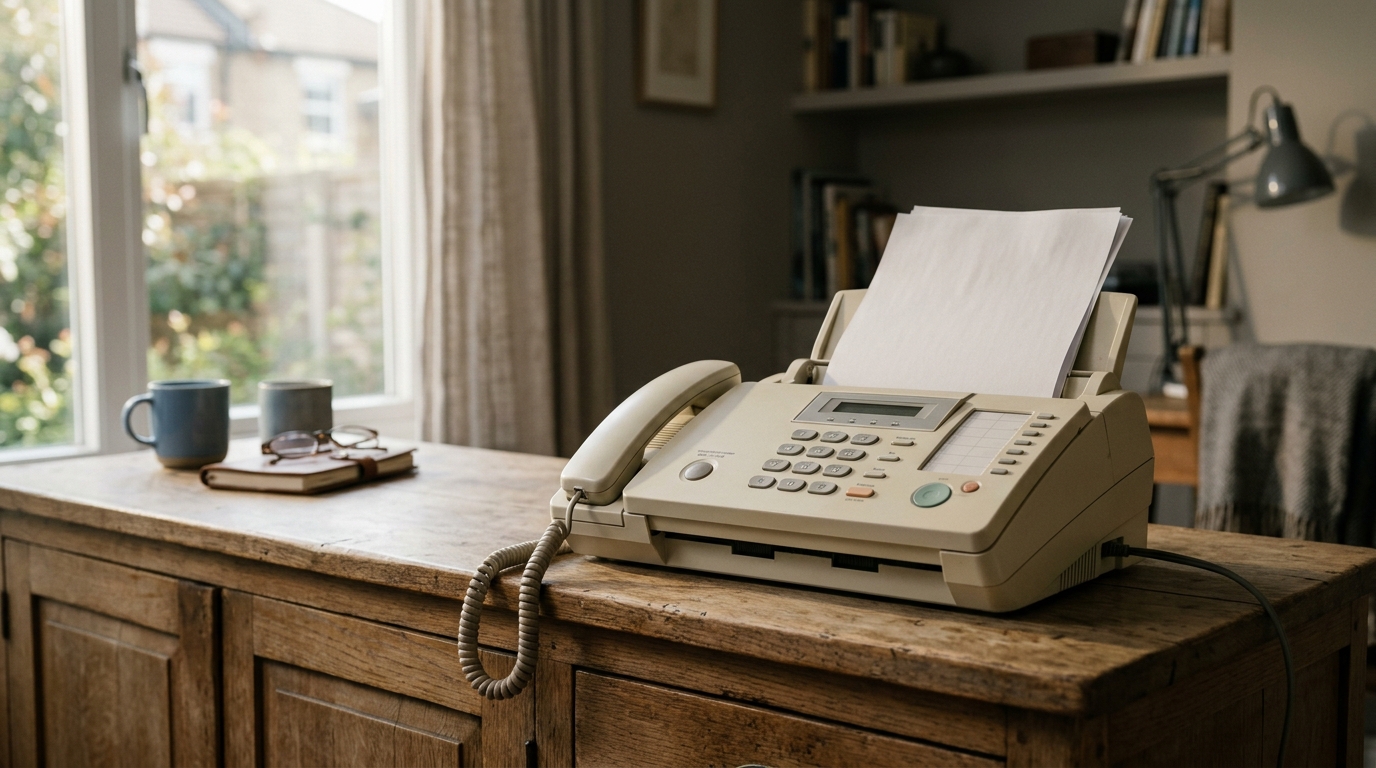
They connected personal computers to bulletin boards, online services, fax systems and the early internet.
Future and legacy
Modern broadband equipment still performs modulation and demodulation, even when the connection is called DSL, cable, cellular or fiber.
The enduring lesson is that digital information needs a physical representation and a strategy for coping with channel limits.
Ai disclosure: written with the help of AI (ChatGPT). You are encouraged to point out errors and omissions.