


How semiconductor circuits convert and control electrical power efficiently.
What is power electronics?
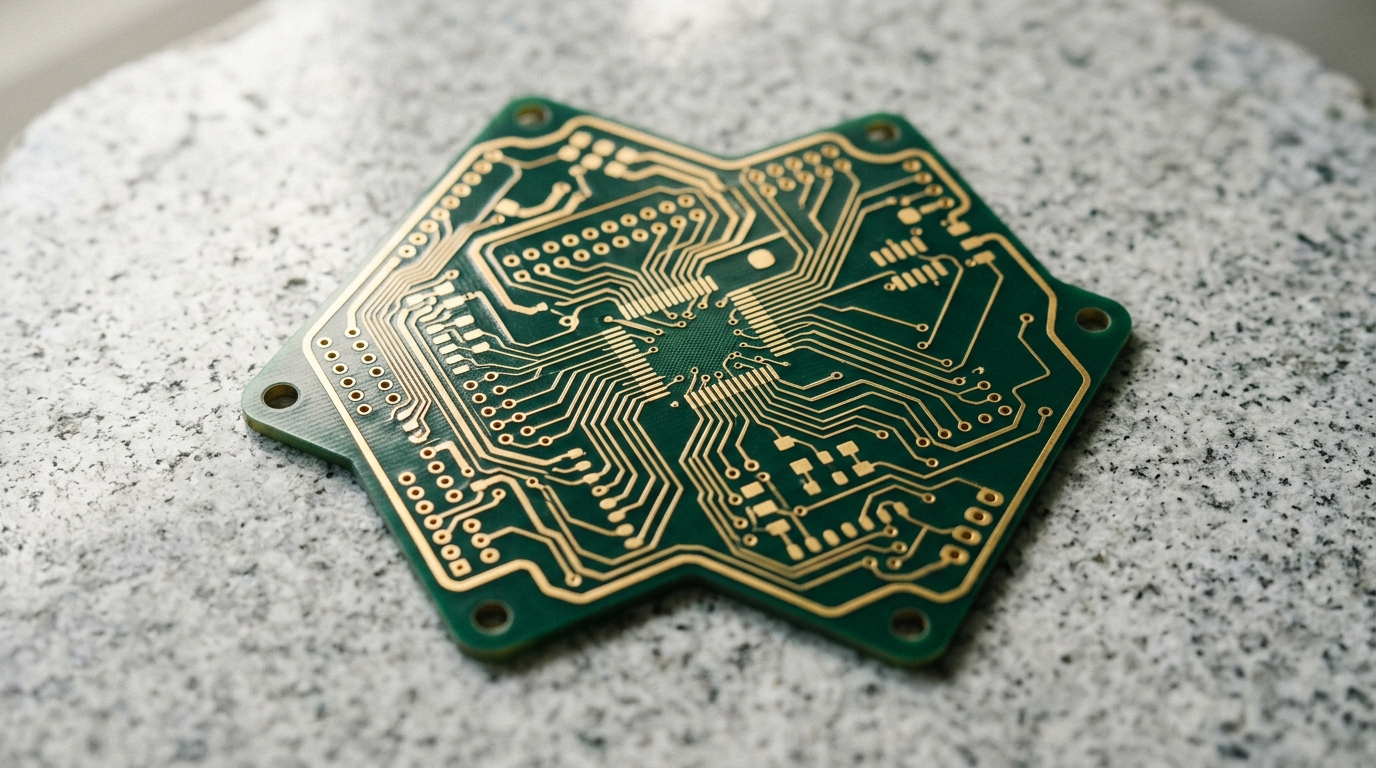
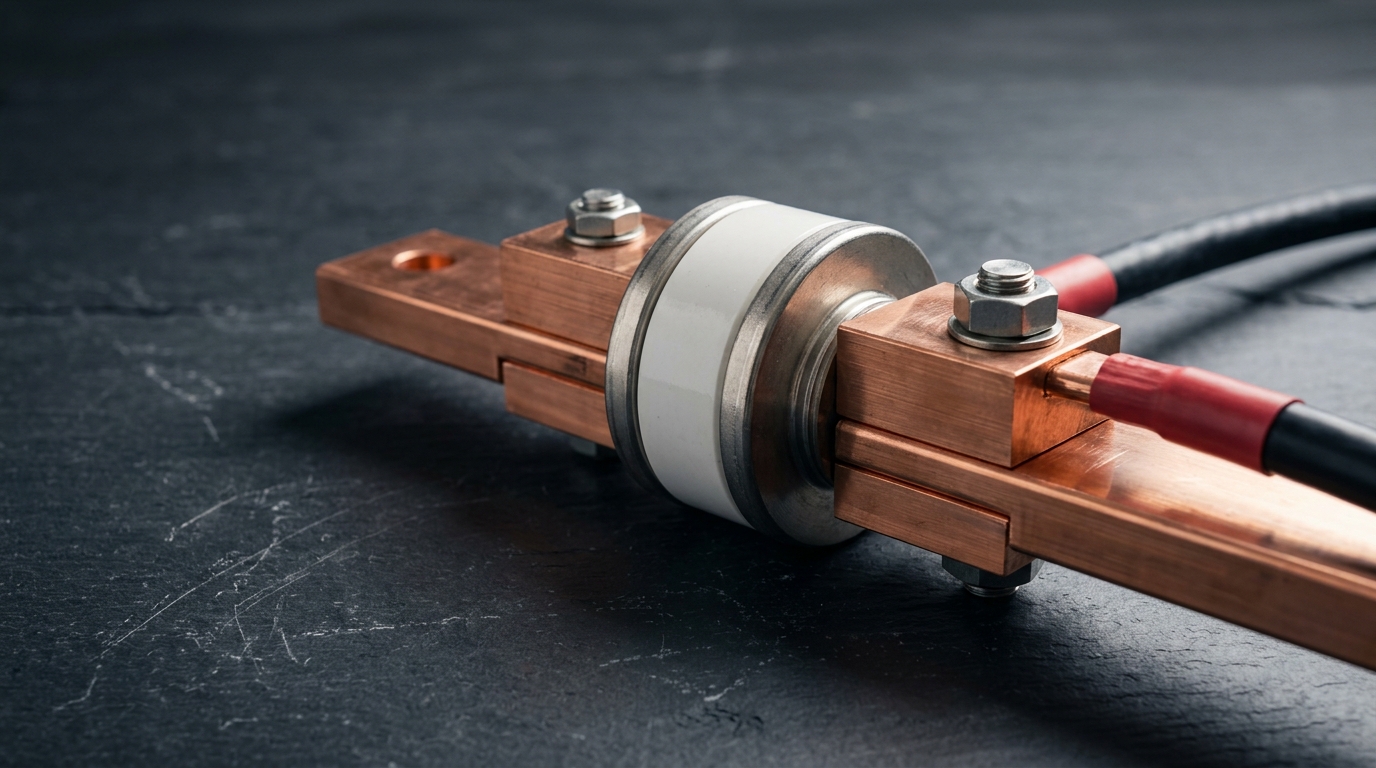
Power electronics controls the flow of electrical power using semiconductor switches, magnetic components, capacitors, sensors and control software.
It is the bridge between an energy source and a device that needs a particular voltage, current, frequency or waveform.
The main conversions
- AC to DC is rectification.
- DC to AC is inversion.
- DC to DC changes voltage while preserving direct-current operation.
- AC to AC changes voltage or frequency for motors and grids.
A converter rapidly switches devices such as MOSFETs or insulated-gate bipolar transistors. Filtering and control turn those switched states into a useful output.
Why does it matter?
Power electronics improves efficiency and control. It lets a motor accelerate smoothly, a charger protect a battery, a solar array match changing sunlight to a grid and a data center regulate thousands of processors.
A small improvement in conversion efficiency can save enormous energy when a system operates continuously or is deployed millions of times.
History
Early power conversion relied on mechanical switches, transformers and mercury-arc devices. Silicon diodes and thyristors made solid-state control practical. Modern wide-bandgap materials such as silicon carbide and gallium nitride can switch faster and operate at higher temperature.
Future impact
Power electronics will shape renewable grids, electric transport, robotics, aviation, data centers and long-duration storage.
The difficult questions concern reliability, thermal management, recycling, electromagnetic interference and access to advanced materials. Efficient conversion is a technical achievement; a sustainable energy system also needs wise planning and fair governance.
Ai disclosure: written with the help of AI (ChatGPT). You are encouraged to point out errors and omissions.