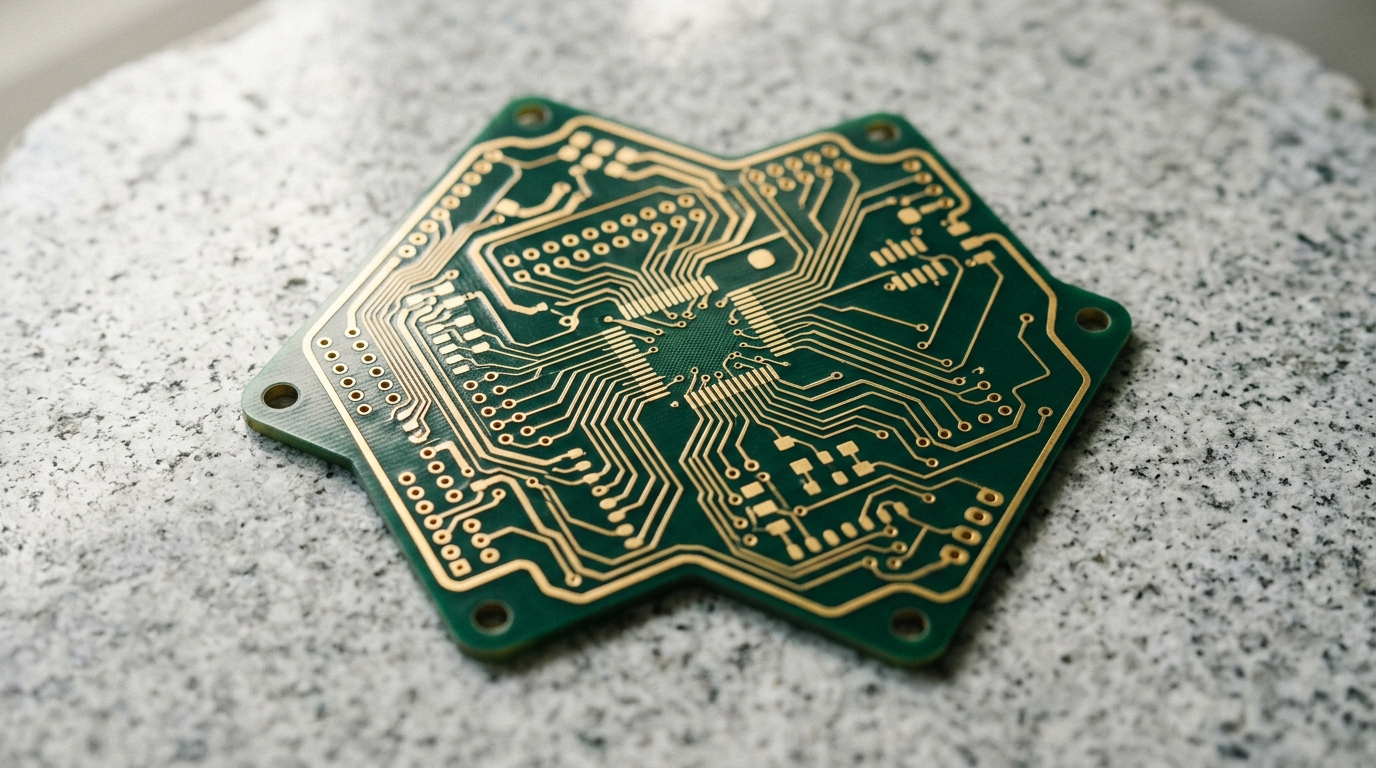




How information technology became a powerful human tool, why it matters, and how it may shape the future.
Information technology is the use of computers, software, networks and digital information to extend what people can know, coordinate and do.
What is information technology?
Information technology (IT) is the practical field concerned with collecting, storing, processing, transmitting, protecting and using information through digital systems.
It includes computers, programs, databases, the internet, communication networks, cloud services and the people who design, operate and govern them.
IT is not only about devices. It is about turning information into something that can be shared, checked, combined and acted upon at scale.
Why is information technology so powerful?
IT is powerful because information can be copied, transformed and transmitted far more cheaply and quickly than physical objects.
- It extends memory. Digital records let people preserve knowledge beyond an individual lifetime and retrieve it in seconds.
- It extends calculation. Computers can perform repeated calculations, simulations and searches at a speed and scale that people alone cannot match.
- It connects people across distance. A message, lesson, design or warning can reach millions without requiring everyone to be in the same place.
- It coordinates complex systems. Supply chains, hospitals, transport, finance, scientific collaborations and public services depend on many people having timely, consistent information.
- It makes tools programmable. One general-purpose computer can become a camera, map, editor, library, laboratory instrument or communication device through software.
- It compounds knowledge. A useful digital tool can be copied, improved and combined with other tools, allowing small discoveries to spread into large capabilities.
Why is IT important for humanity?
Human societies depend on shared information: language, records, measurement, law, education and scientific evidence.
IT strengthens all of these when it is reliable and broadly available.
It can help a doctor consult distant expertise, enable a student to reach a library, help researchers compare results and give communities faster warning of danger.
It also lowers barriers to creation: a person with a modest computer can write, publish, design, organize, learn and build services for others.
Because IT shapes access to knowledge and participation, it also shapes power.
A society in which only a few institutions control data, networks and computing can become less free even when its technology is advanced.
The important question is therefore not only whether a system is efficient, but who can understand it, question it and benefit from it.
A short history
The roots of IT are older than electronic computers.
Writing, ledgers and libraries made information durable. Printing made copying cheaper and helped ideas travel widely.
Telegraphy and telephony then made communication near-instant across long distances.
In the twentieth century, electronic computers made large-scale calculation practical.
Early machines were costly and specialized, but transistors, integrated circuits and microprocessors steadily made computing smaller, cheaper and more reliable.
Personal computers brought digital tools into homes, schools and offices.
The internet connected separate networks into a global system for exchanging information.
The World Wide Web made publishing and navigation easier for ordinary users.
Later, smartphones put networked computers into billions of hands, while cloud computing made enormous storage and processing power available over networks.
What has IT changed already?
IT has reshaped work, science, culture and everyday life.
- Businesses use it to organize production, payments and communication.
- Science uses it to analyze large datasets, model complex systems and share results.
- Medicine uses it for records, imaging, research, monitoring and coordination.
- Education uses it to distribute learning materials and connect teachers with learners.
- Media and culture use it to create, copy and distribute text, music, images and video.
- Governments and communities use it to provide services, keep records and communicate during emergencies.
These changes are not automatically good.
The same systems that spread useful knowledge can spread fraud, harassment, surveillance and misinformation.
The future impact of IT
IT will likely become less visible because it will be embedded in more of the world: homes, workplaces, vehicles, infrastructure and scientific instruments.
Artificial intelligence may help people interpret information, automate routine tasks and discover patterns in medicine, climate research and engineering.
Networks of sensors may help manage energy, water, agriculture and transport more efficiently.
Digital public services may make essential information easier to reach.
The largest impact may come from the combination of technologies rather than from any one device.
AI needs data and computing. Digital services need networks, security and trustworthy records. Human benefit depends on how these pieces are designed together.
What risks must we govern?
Powerful information systems need equally serious responsibility.
- Privacy: people should not have to surrender intimate information in order to participate in modern life.
- Security: essential systems must resist theft, sabotage and accidental failure.
- Truth: fast communication must not make deception easier than verification.
- Fair access: education, connectivity and digital skills should not be reserved for the wealthy.
- Work and inequality: productivity gains should reduce drudgery and widen opportunity rather than only concentrate wealth and control.
- Human judgment: important decisions should remain explainable, contestable and accountable to people.
- Environmental cost: data centers, devices and supply chains require energy and materials that must be used responsibly.
A human choice
Information technology gives humanity extraordinary reach: it can amplify care, curiosity and cooperation, but it can also amplify error and domination.
Its future impact is not predetermined by machines.
It will depend on the values built into institutions, laws, standards, education and everyday choices.
The goal should be more than faster systems. It should be a world in which knowledge is more trustworthy, opportunity is more widely shared and people retain meaningful control over the tools that shape their lives.
Ai disclosure: written with the help of AI (ChatGPT). You are encouraged to point out errors and omissions.