


How a hardware description language expresses digital circuits for simulation and synthesis.
What is VHDL?
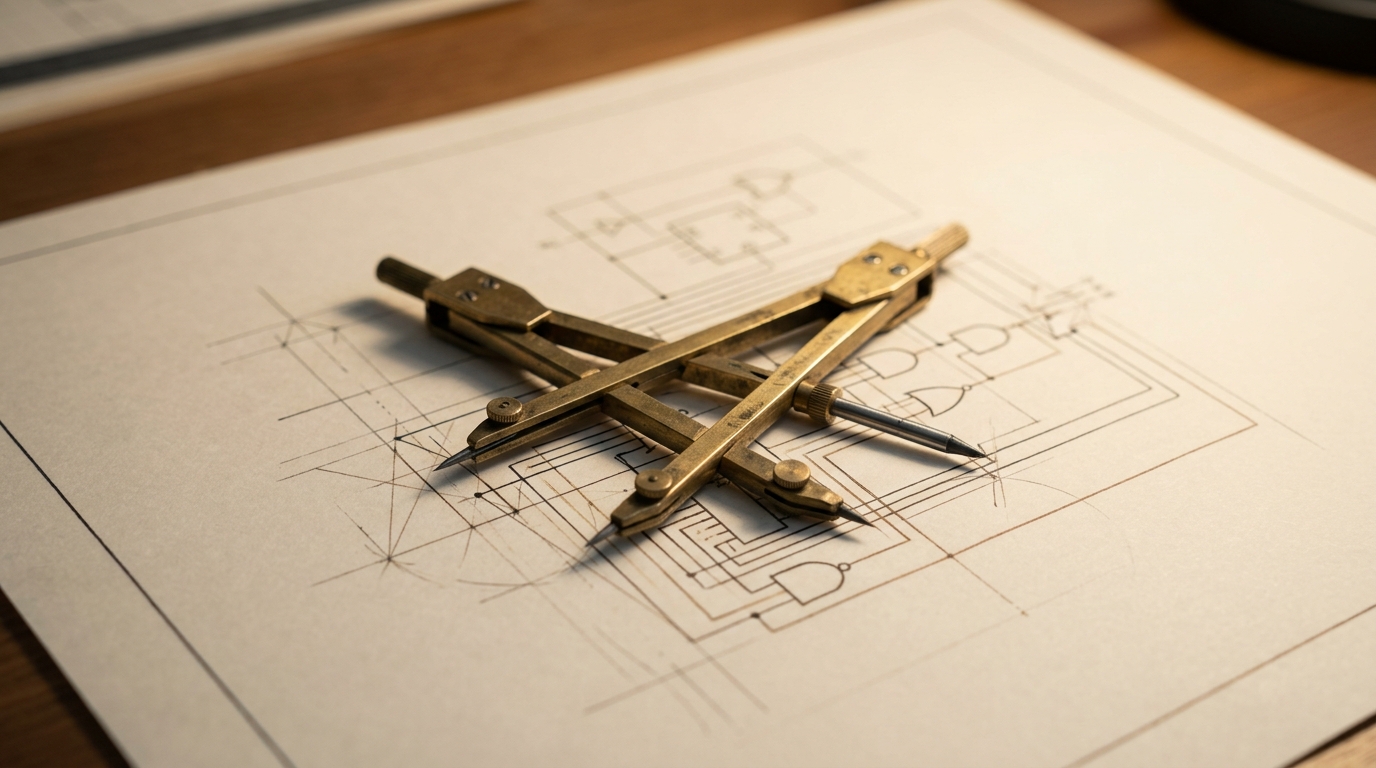
VHDL is a hardware description language used to describe digital systems.
Its name comes from VHSIC Hardware Description Language. It can express logic, timing, interfaces and hierarchy for simulation and synthesis.
How is it different from ordinary programming?
VHDL describes hardware that operates concurrently. A process may react to signals, while many processes exist and change state at the same time.
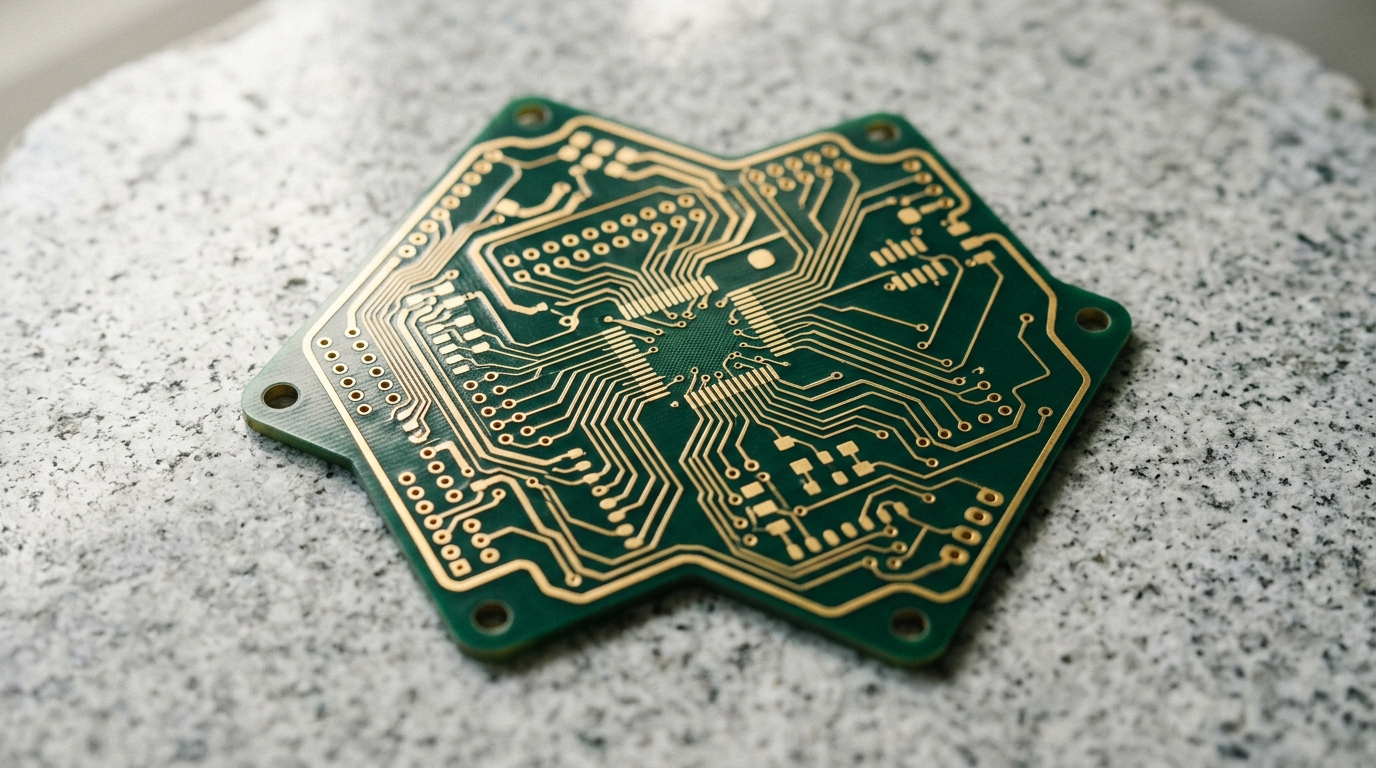
The same description can be tested in simulation and translated into gates, registers and wiring on an FPGA or integrated circuit.
Why is it important?
VHDL lets engineers specify complex digital systems, verify behavior before fabrication and preserve a design in a readable, reviewable form.
It is used in aerospace, defense, industrial control, communications and education.
Limits and future
Simulation semantics, synthesis constraints, clock-domain crossings and reset behavior require hardware understanding.
VHDL will coexist with other HDLs and higher-level generators. The durable idea is that a circuit can be designed as a precise executable model before it becomes physical.
Ai disclosure: written with the help of AI (ChatGPT). You are encouraged to point out errors and omissions.