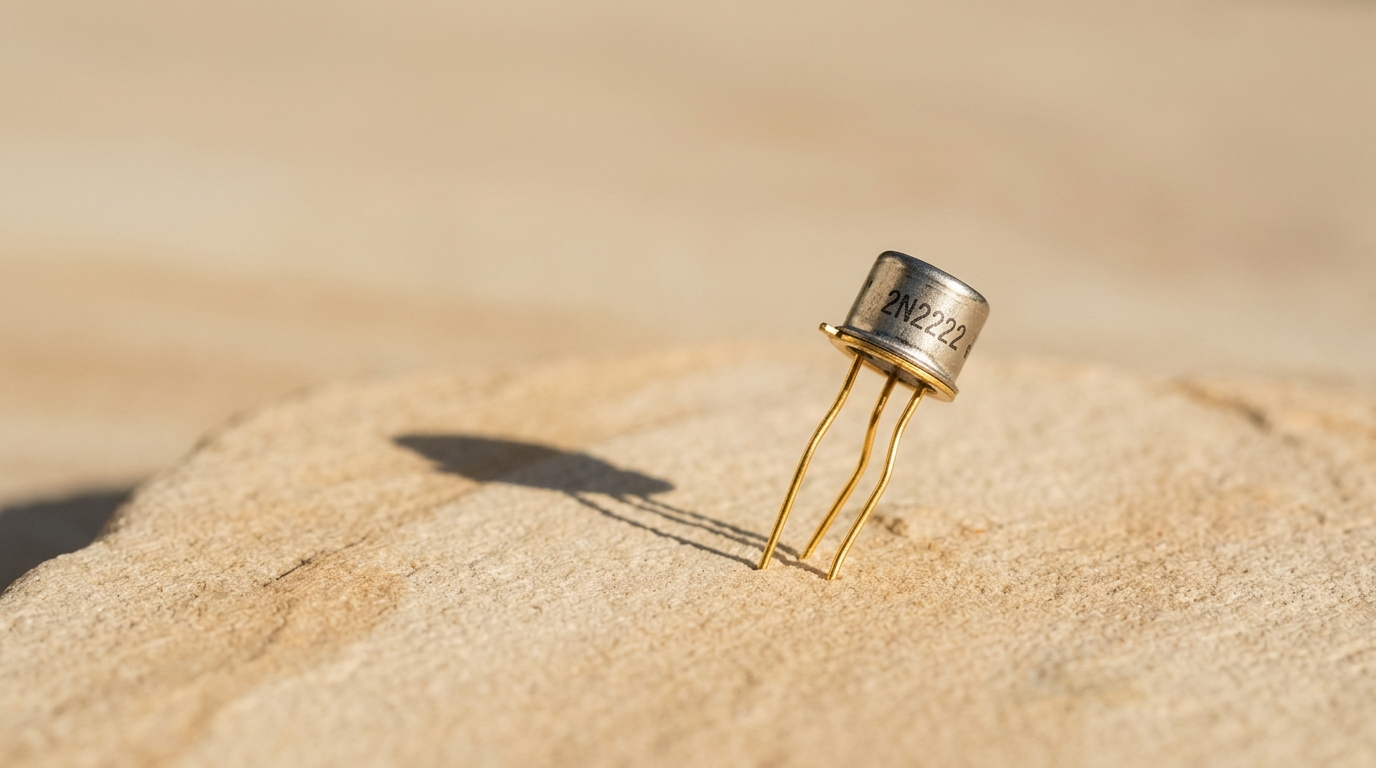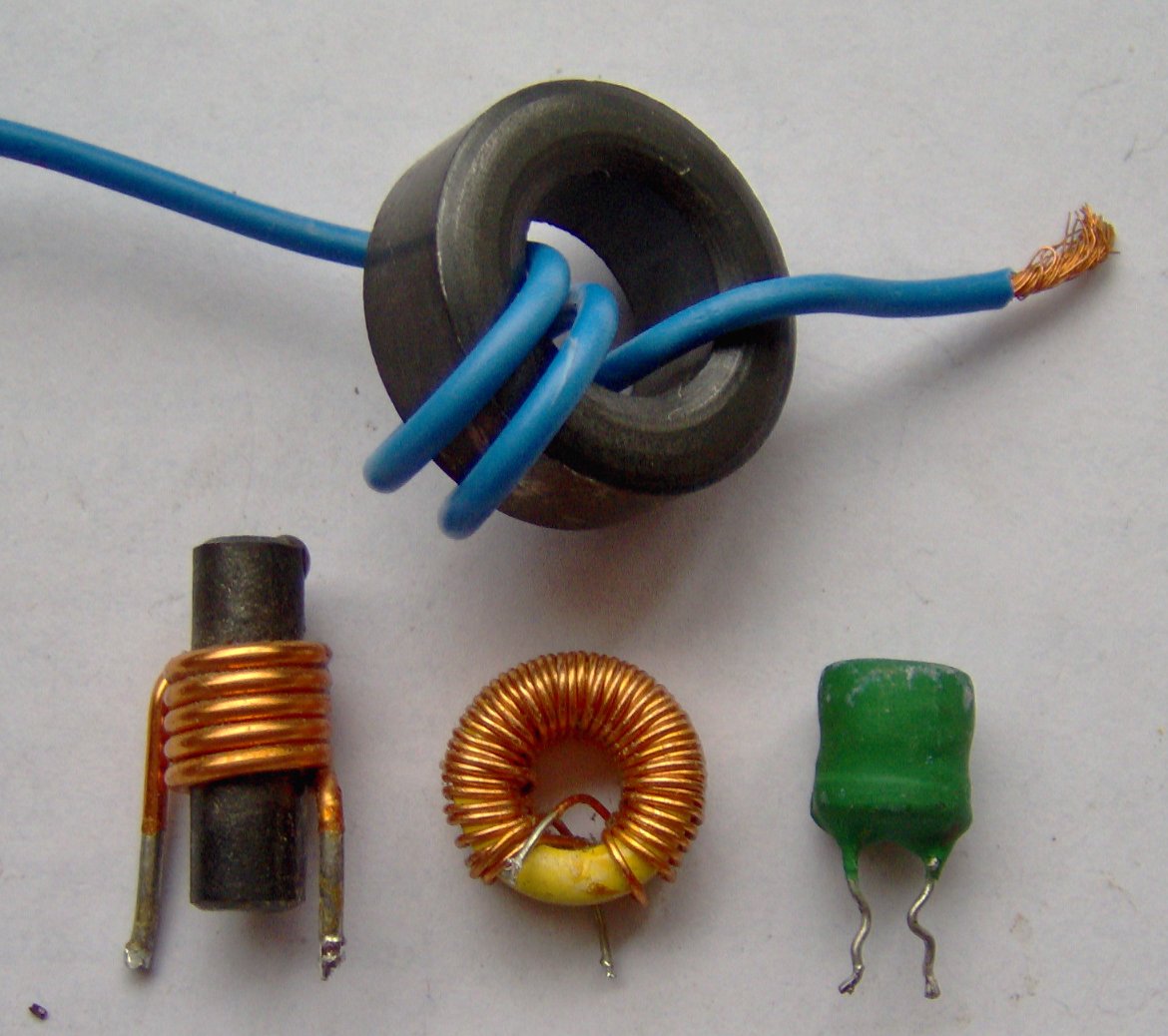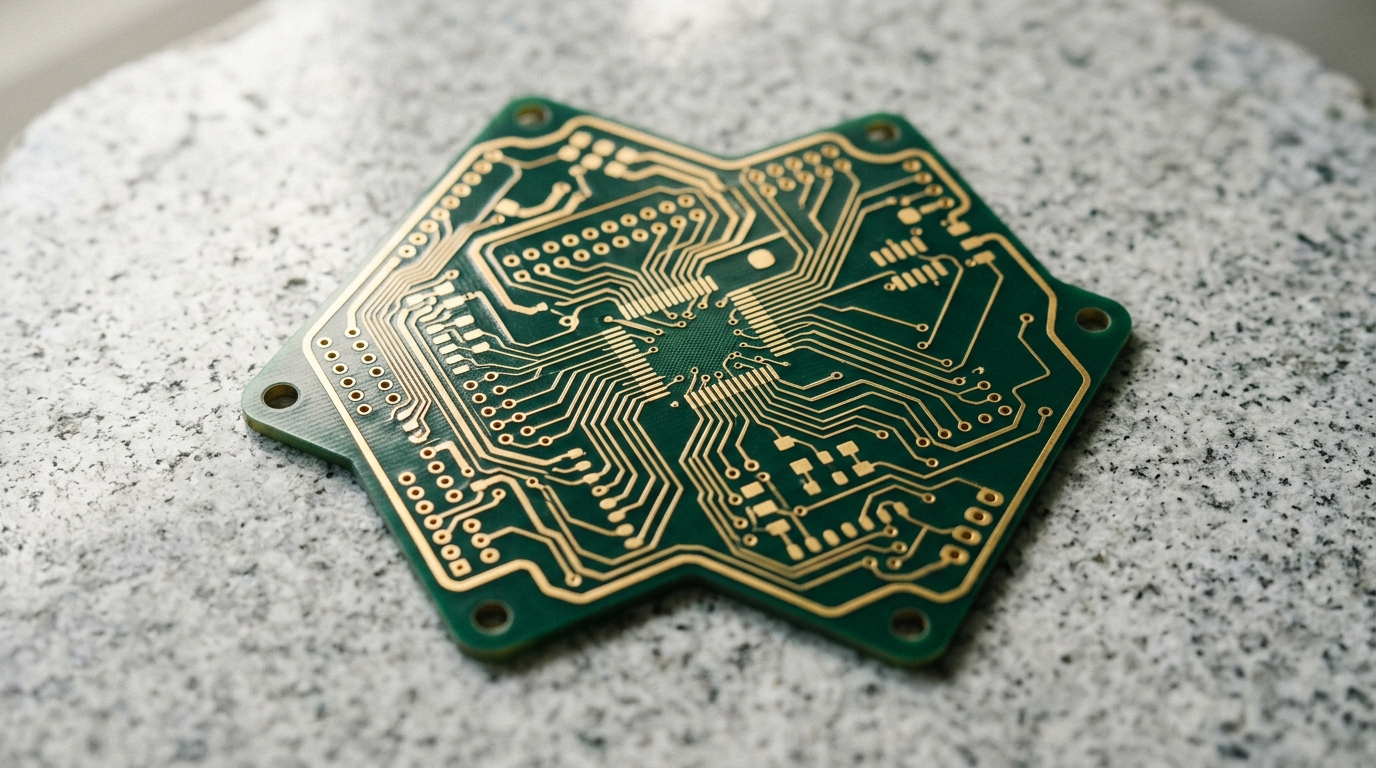





How vacuum tubes controlled electrons and enabled the first electronic amplifiers, computers and radios.
What is an electronic valve?
An electronic valve, also called a vacuum tube, controls the flow of electrons through a vacuum or low-pressure gas.
A heated cathode emits electrons. Electric fields at grids and electrodes control that flow, allowing amplification, switching, rectification or oscillation.
Why was it powerful?
A valve could make a weak signal strong enough to drive a speaker, a transmitter or another circuit. Multiple valves could perform logic and calculation.
This made long-distance telephony, radio broadcasting, radar and early electronic computers possible.
History
The diode valve grew from experiments with thermionic emission. The triode added a control grid and became a practical amplifier. Valve technology dominated the first half of the twentieth century before transistors offered smaller size, lower power and greater reliability.
Strengths and limits
Valves can tolerate high voltages, produce useful high-power radio signals and create distinctive audio behavior. They are large, fragile, hot and slow to start. Their heaters consume power and their operating life is finite.
Why study them now?
Valves explain the physical idea of controlled amplification and the transition from electromechanical to solid-state technology. They still appear in specialist transmitters, scientific instruments and some audio equipment.
Their future role is narrow, but their historical lesson is broad: a technology can be transformative without being permanent, and engineering choices always balance performance, cost, reliability and context.
Ai disclosure: written with the help of AI (ChatGPT). You are encouraged to point out errors and omissions.