


How changing physical quantities represent information and how systems preserve, transform and recover it.
What is a signal?
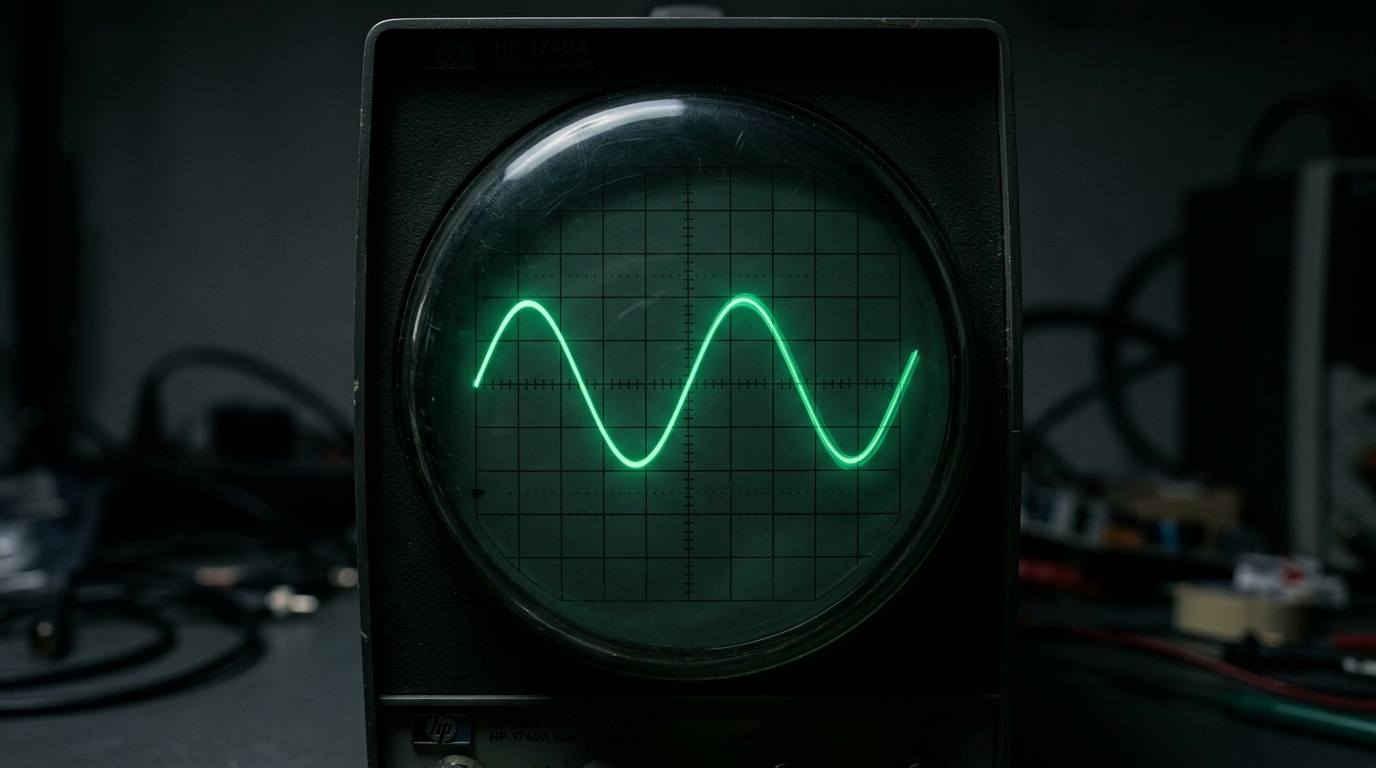
A signal is a changing physical quantity used to represent, measure or transmit information.
It may be a voltage, current, sound pressure, light intensity, radio wave or pattern of bits. A signal is not identical to the information; it is a physical representation that a system can observe.
What must a signal system do?
A system creates, transforms, transmits and interprets signals.
Important ideas include amplitude, frequency, phase, bandwidth, sampling, noise, distortion, interference and signal-to-noise ratio.
Analog signals vary continuously. Digital signals use symbols and codes. Neither is automatically better: the choice depends on the source, channel, required accuracy, cost and error tolerance.
Why is it important?
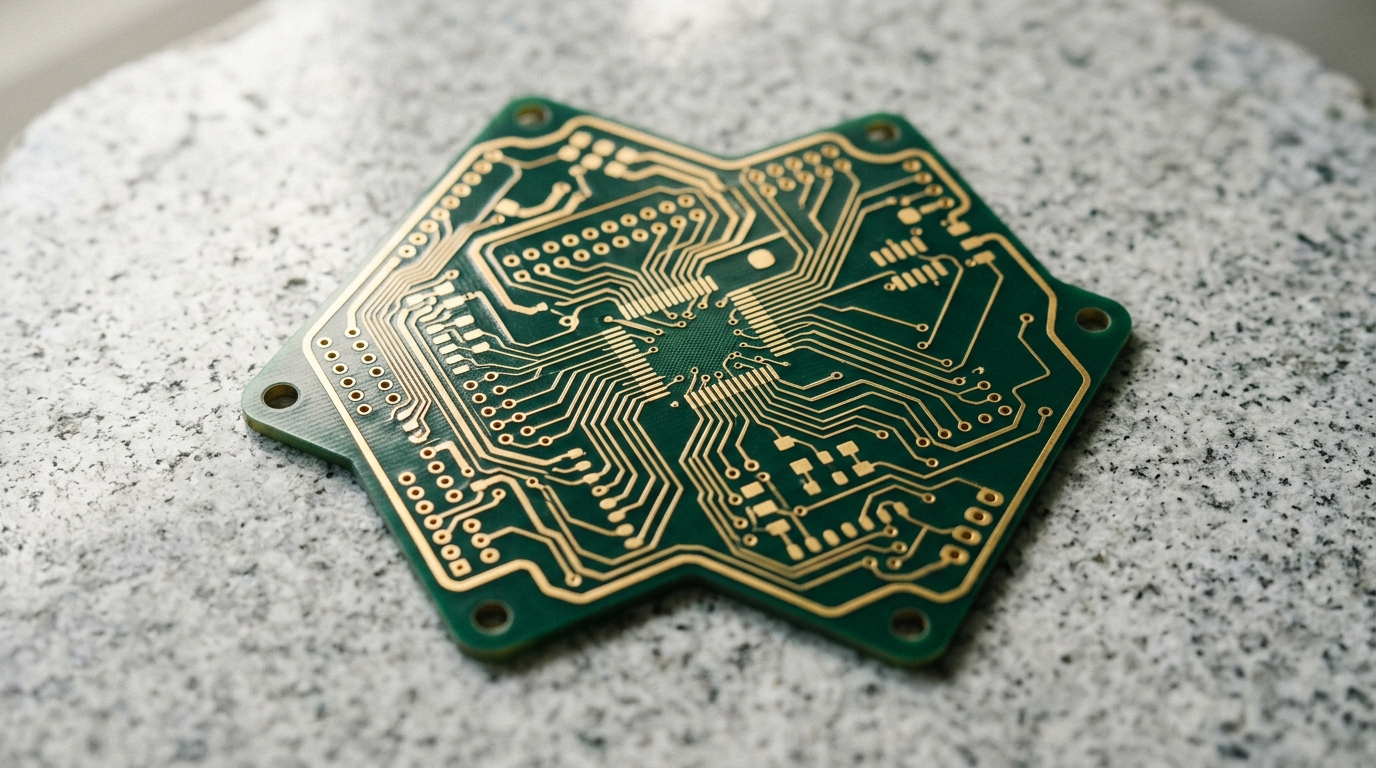
Almost every information technology depends on signal processing. Sensors turn physical events into signals. Filters remove unwanted components. Modulators adapt signals to a channel. Detectors and decoders recover meaning.
Understanding signals lets engineers predict what survives a cable, an antenna, an optical fiber or a computer interface.
History and future
Telegraphy, telephony and radio created practical signal theory. Fourier analysis, feedback and information theory then gave engineers powerful mathematical tools.
Future systems will combine analog front ends, digital processing, machine learning and photonics. Better algorithms cannot recover information that a sensor never captured or a channel destroyed, so measurement and system design remain essential.
Ai disclosure: written with the help of AI (ChatGPT). You are encouraged to point out errors and omissions.