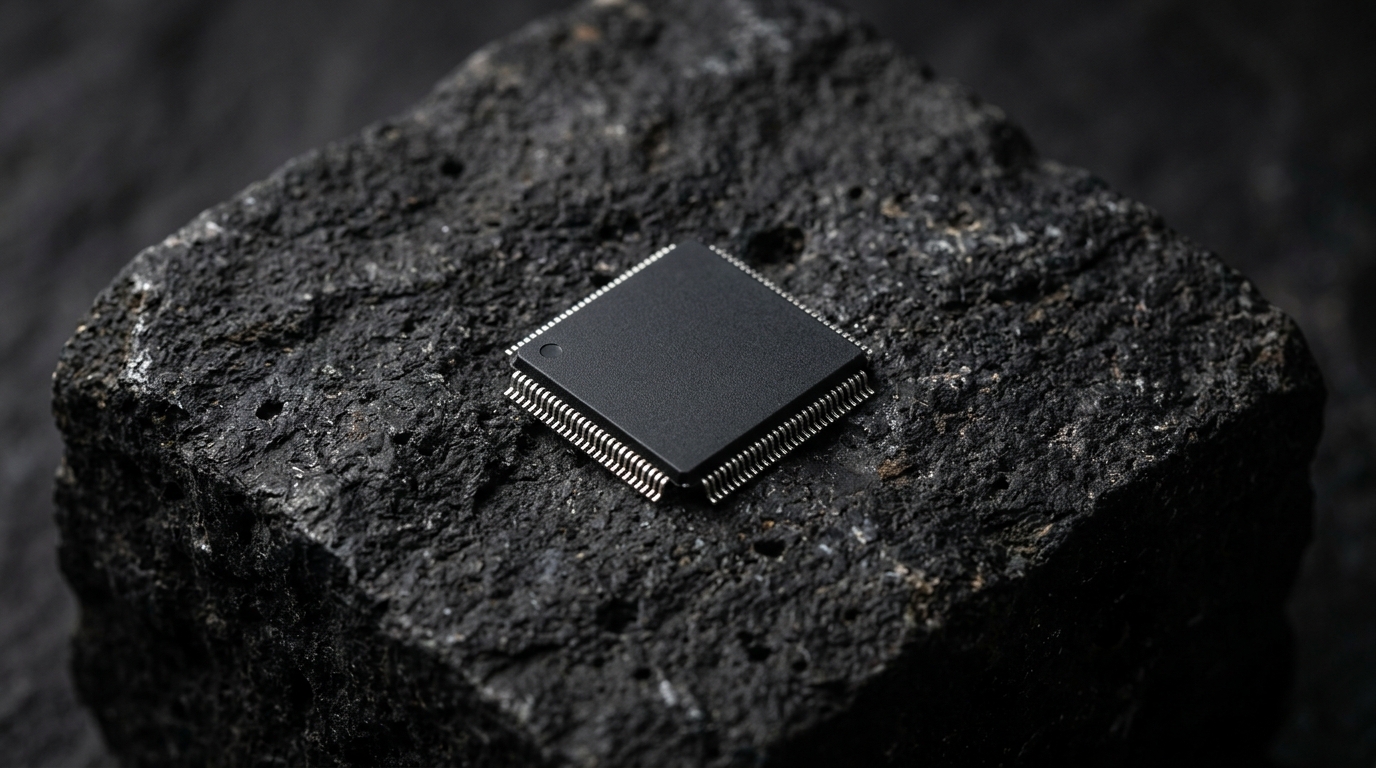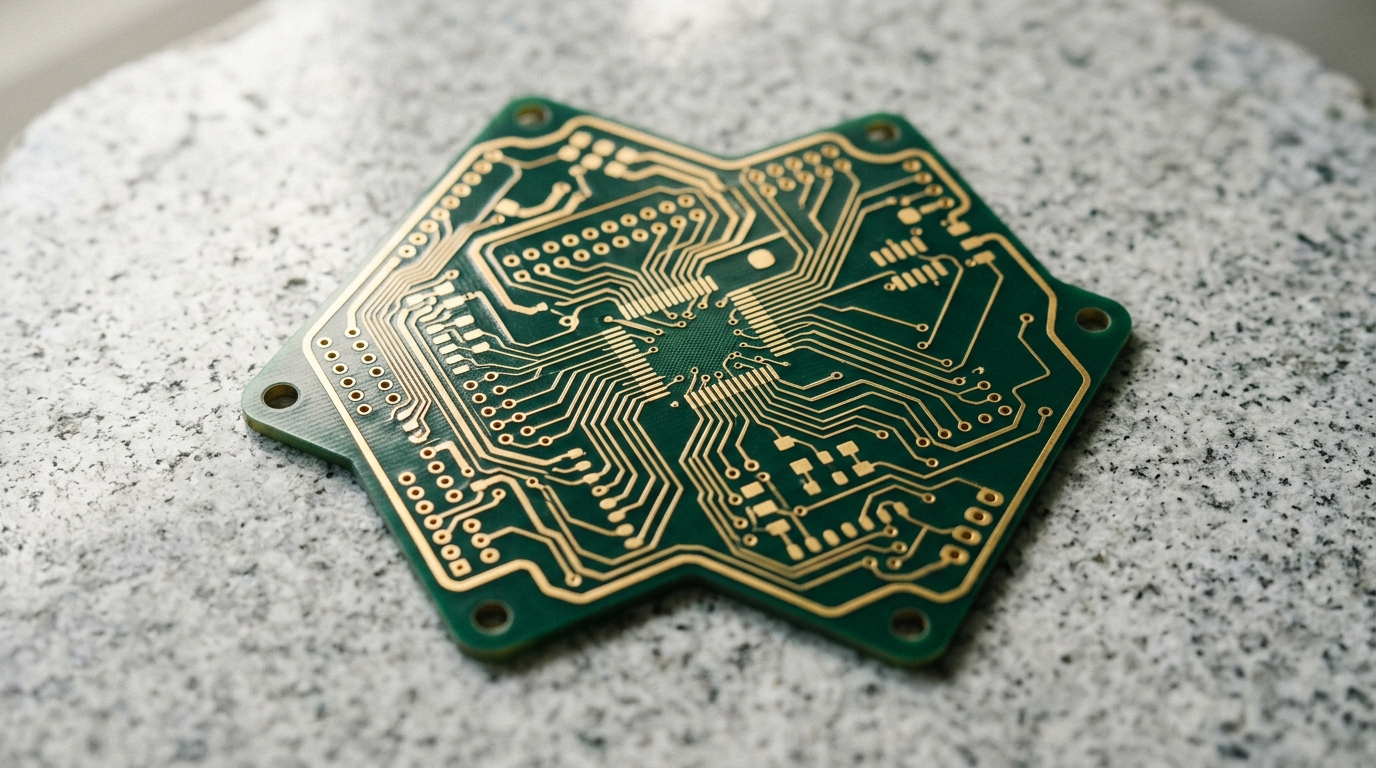



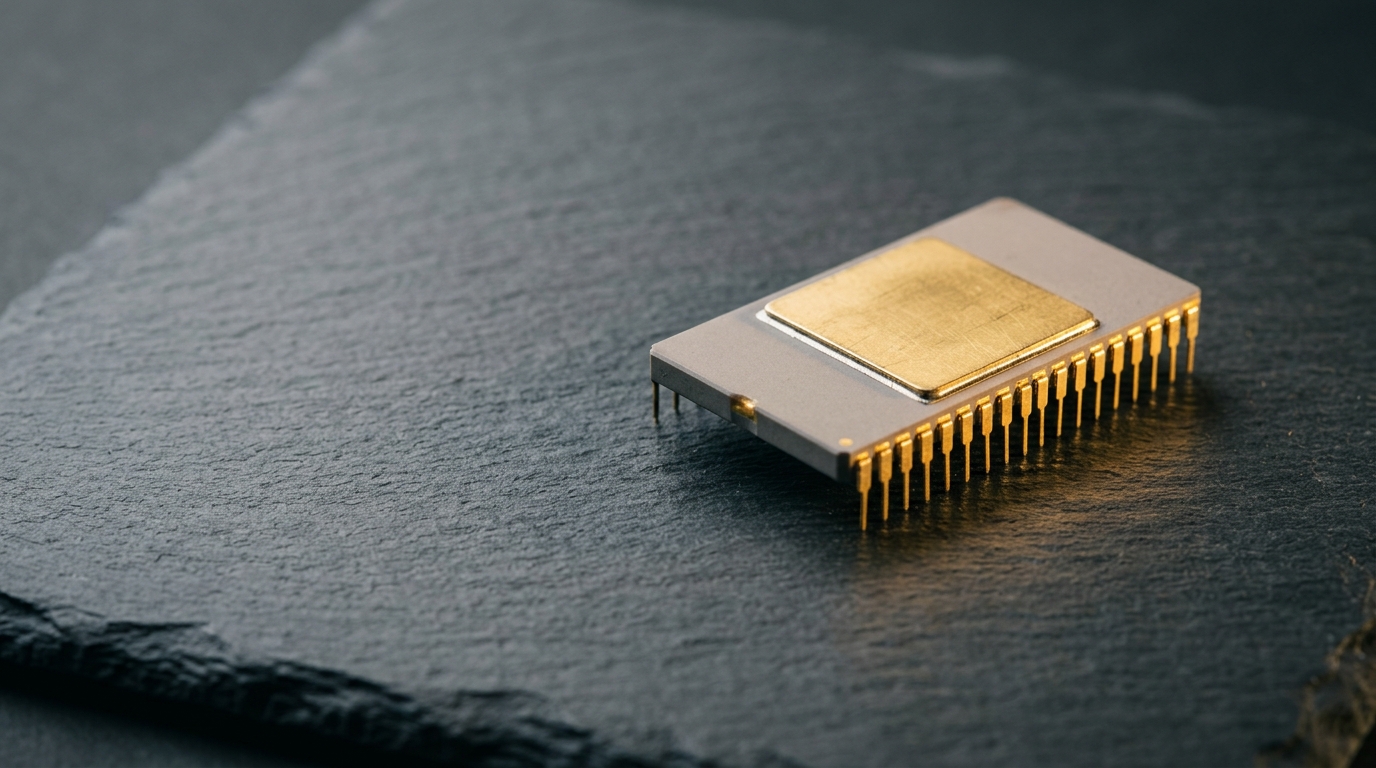
How a programmable processor places general-purpose computation on a semiconductor chip.
What is a microprocessor?
A microprocessor is an integrated circuit that contains the central processing functions of a computer.
It fetches instructions, operates on data and coordinates memory and input/output through an instruction set and an architecture.
Why is it important?
A microprocessor turns a general-purpose circuit into a programmable machine.
The same hardware can run a calculator, operating system, game, scientific model or communication protocol when supplied with different software.
History
The microprocessor emerged when integrated-circuit manufacturing placed a processor on one chip. It helped make personal computers, embedded systems and eventually smartphones possible.
Progress has come from more transistors, but also from caches, pipelines, multiple cores, specialized instructions, parallel accelerators and better software.
Limits and future
A processor cannot compute without memory, power, input, output and programs. Heat, memory movement, fabrication cost and security often matter more than raw clock speed.
Future systems will combine general-purpose cores with AI, graphics, signal-processing and cryptographic accelerators. The challenge is to make this power efficient, secure, understandable and broadly useful.
Ai disclosure: written with the help of AI (ChatGPT). You are encouraged to point out errors and omissions.