


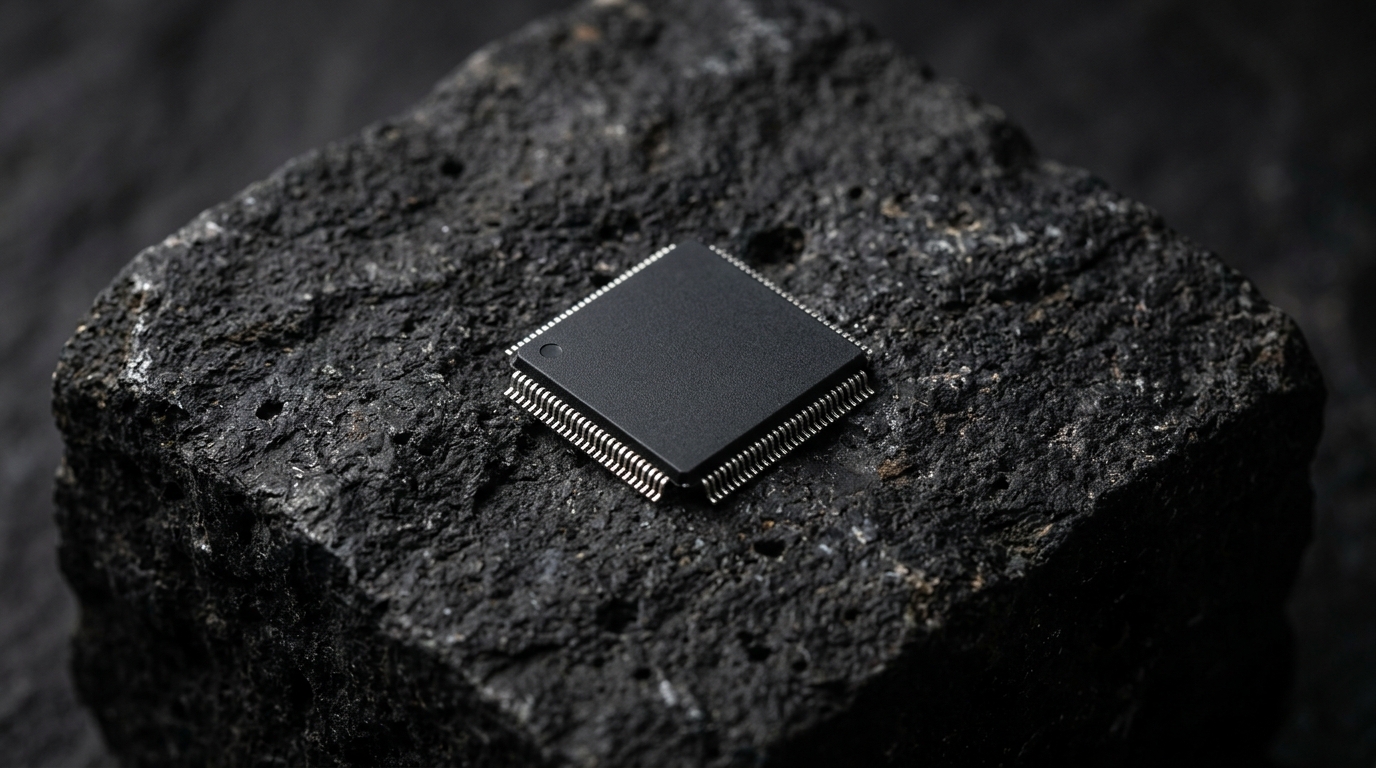
How a small computer with processor, memory and peripherals controls physical devices.
What is a microcontroller?
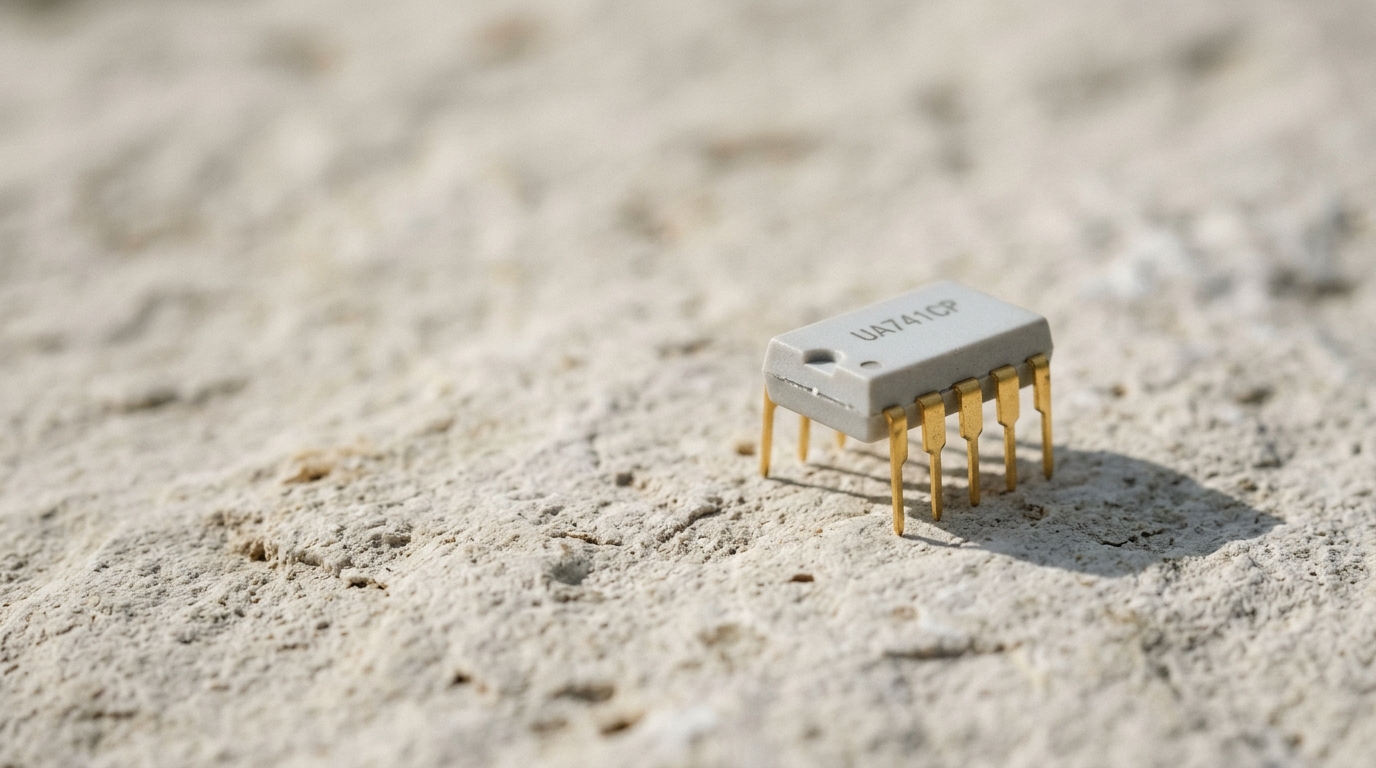
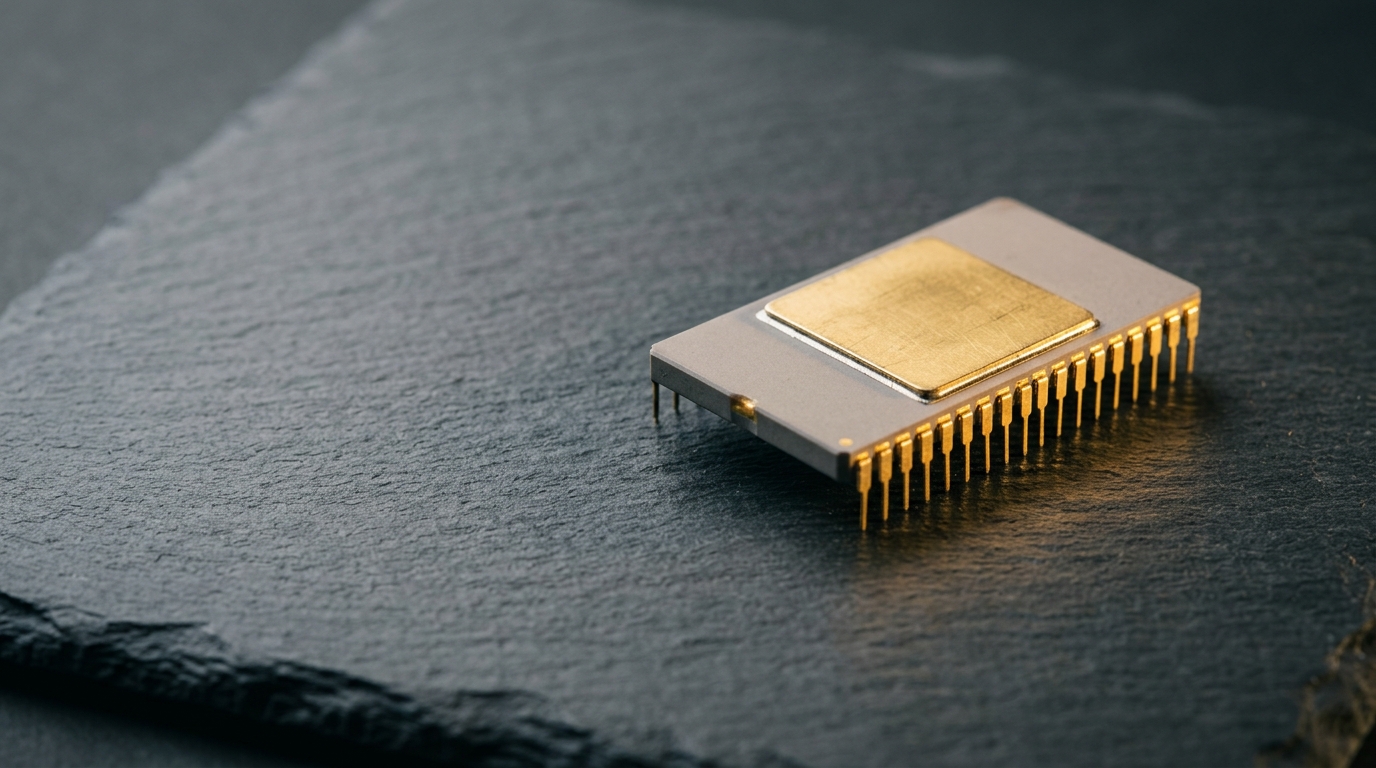
A microcontroller is a compact integrated circuit that combines a processor with memory, timing, input/output and often analog or communication peripherals.
It is designed to control a particular device or process rather than run every kind of desktop application.
Why is it useful?
A microcontroller can read a button or sensor, make a decision and drive a motor, light, display or network connection.
It is inexpensive, low-power and predictable, making it ideal for appliances, vehicles, instruments, toys, industrial systems and connected devices.
How does it work?
A program stored in memory runs in response to a clock, events or interrupts. Peripherals handle tasks such as measuring voltage, generating pulse-width modulation, counting signals and sending serial data.
Good design must account for timing, electrical noise, safety, software bugs and failure modes.
History and future
Microcontrollers grew from microprocessors and increasingly integrated peripherals. They helped create the embedded-systems world in which computing is distributed through ordinary objects.
Future controllers will combine secure identity, machine learning, low-power radio, energy harvesting and real-time sensing.
Their ubiquity makes update policy, privacy, safety and long-term support important social concerns—not merely engineering details.
Ai disclosure: written with the help of AI (ChatGPT). You are encouraged to point out errors and omissions.