


How many electronic components can be manufactured together on one small piece of semiconductor.
What is an integrated circuit?
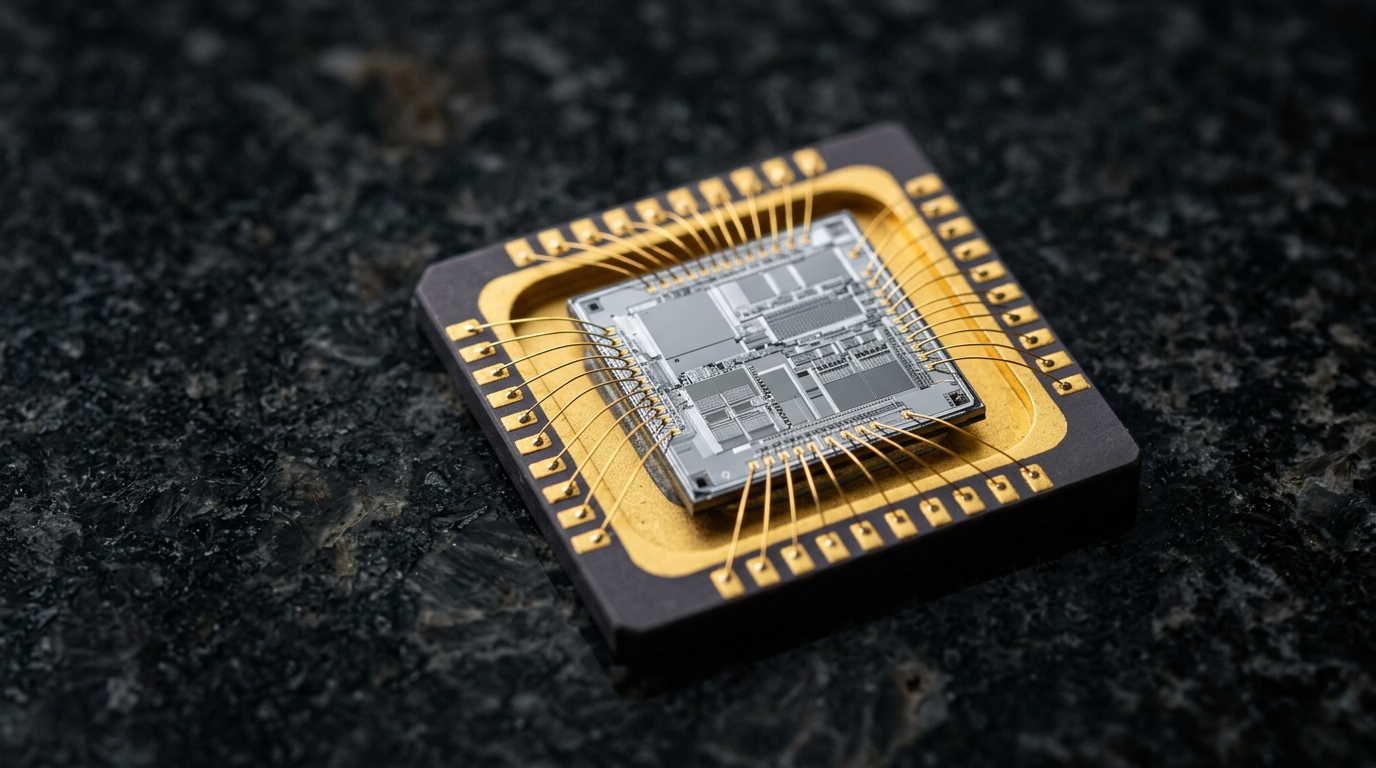
An integrated circuit, or IC, is a manufactured piece of semiconductor containing transistors, connections and often capacitors, resistors or other structures.
Instead of assembling each component separately, fabrication creates many devices together and connects them on one die.
Why was this a breakthrough?
An IC makes a system smaller, faster, cheaper and more reliable. Short connections reduce delay and unwanted electrical effects. Manufacturing the same pattern repeatedly also makes complex designs reproducible.
ICs are the foundation of memory, processors, sensors, radios, power controllers and nearly every modern digital product.
How is an IC made?
Engineers design layers of patterns. A wafer is coated, exposed through photolithography, etched, doped and covered with new materials many times.
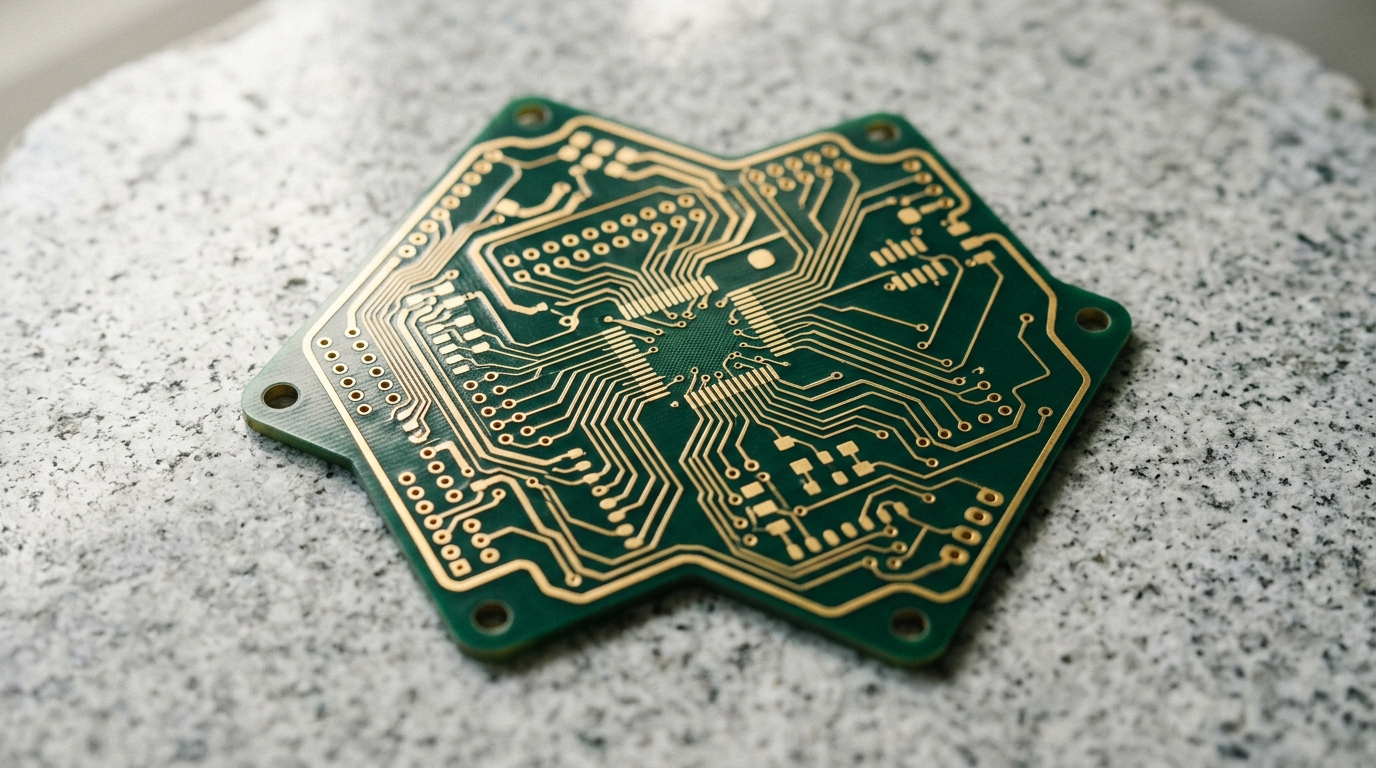
After testing, the wafer is cut into dies and each die is packaged so it can connect to a circuit board.
The result depends on chemistry, optics, mechanical precision, software, testing and a global supply chain.
History and future
The first practical integrated circuits appeared in the late 1950s. Improvements in manufacturing placed more transistors on each chip and made microprocessors possible.
The future will combine smaller structures with three-dimensional packaging, specialized accelerators, photonic links and new materials.
Limits include heat, fabrication cost, defects, energy use, e-waste and concentration of manufacturing capability. More transistors are valuable only when they produce useful, trustworthy and accessible systems.
Ai disclosure: written with the help of AI (ChatGPT). You are encouraged to point out errors and omissions.