




How circuits increase signal strength while preserving useful information.
What is an amplifier?
An amplifier is a circuit or system that increases the power, voltage or current of a signal.
An ideal amplifier makes a useful signal larger without changing its information. Real amplifiers add noise, distortion, delay and power consumption.
How does it work?
A transistor, valve or other active device controls energy from a power supply. Feedback can stabilize gain, set bandwidth and reduce distortion.
An amplifier may be designed for audio, radio frequency, instrumentation, optical receivers or power delivery.
Why is it important?
Many signals are too weak to travel, drive a speaker, move an actuator or overcome later circuit losses.
Amplification makes microphones, radios, medical sensors, scientific instruments, communication links and control systems practical.
History and future
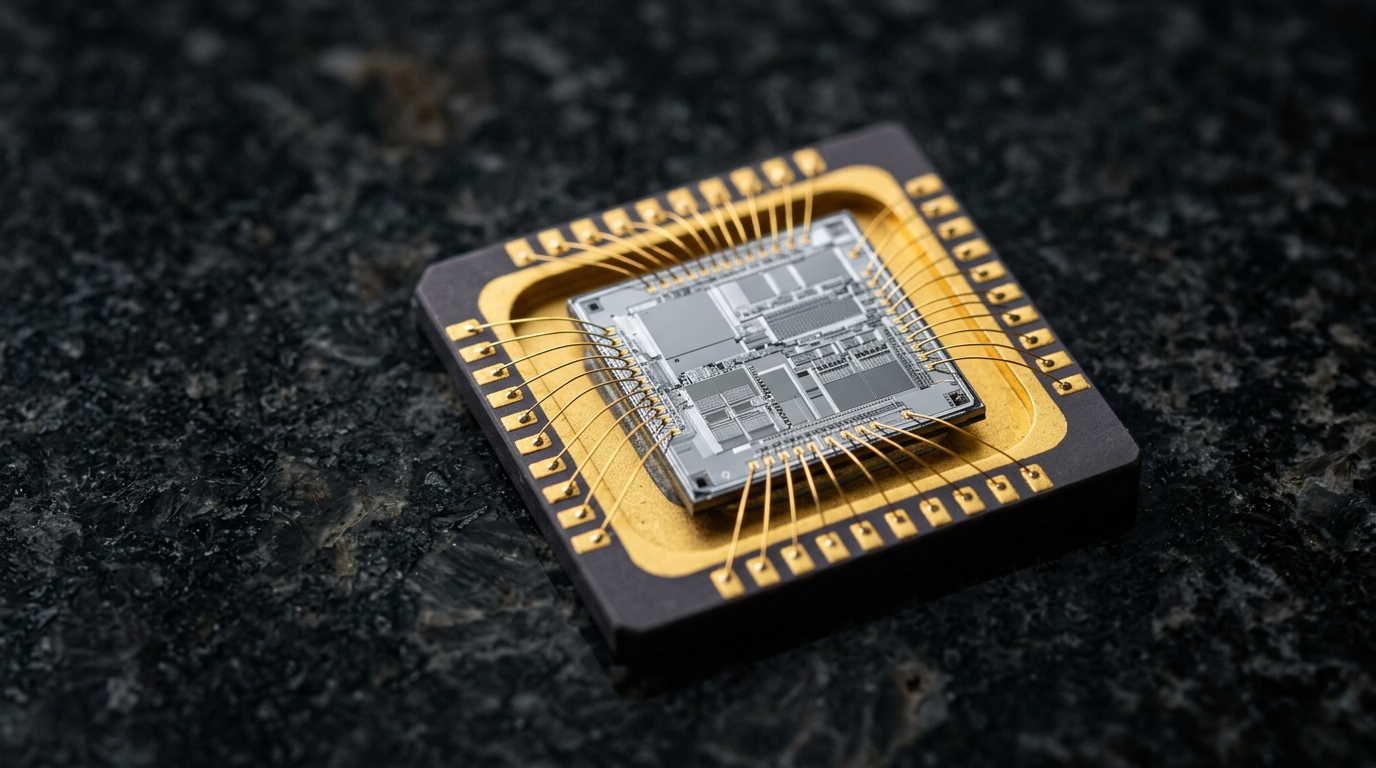
Valves enabled the first electronic amplifiers. Transistors then made amplification smaller and more efficient. Integrated circuits now combine amplifiers with filters, converters and digital control.
Future amplifiers will work across higher frequencies, lower voltages, optical links and cryogenic or quantum systems.
The central design problem remains balance: gain is useful only when stability, noise, bandwidth, heat and fidelity are controlled.
Ai disclosure: written with the help of AI (ChatGPT). You are encouraged to point out errors and omissions.