


How circuits control electrons and signals to sense, compute, communicate and create.
What is electronics?
Electronics is the controlled movement of charge through components and circuits to process signals, energy and information.
Electrical engineering asks how energy and fields behave broadly. Electronics focuses on devices that switch, amplify, filter, store and interpret changing electrical quantities.
Why is it powerful?
A small voltage can control a much larger current. A circuit can distinguish a signal from noise, remember a state, calculate a result or translate information into light and sound.
Because components can be manufactured in huge numbers, a design can be copied cheaply and improved over time.
Core building blocks
- Sources provide energy.
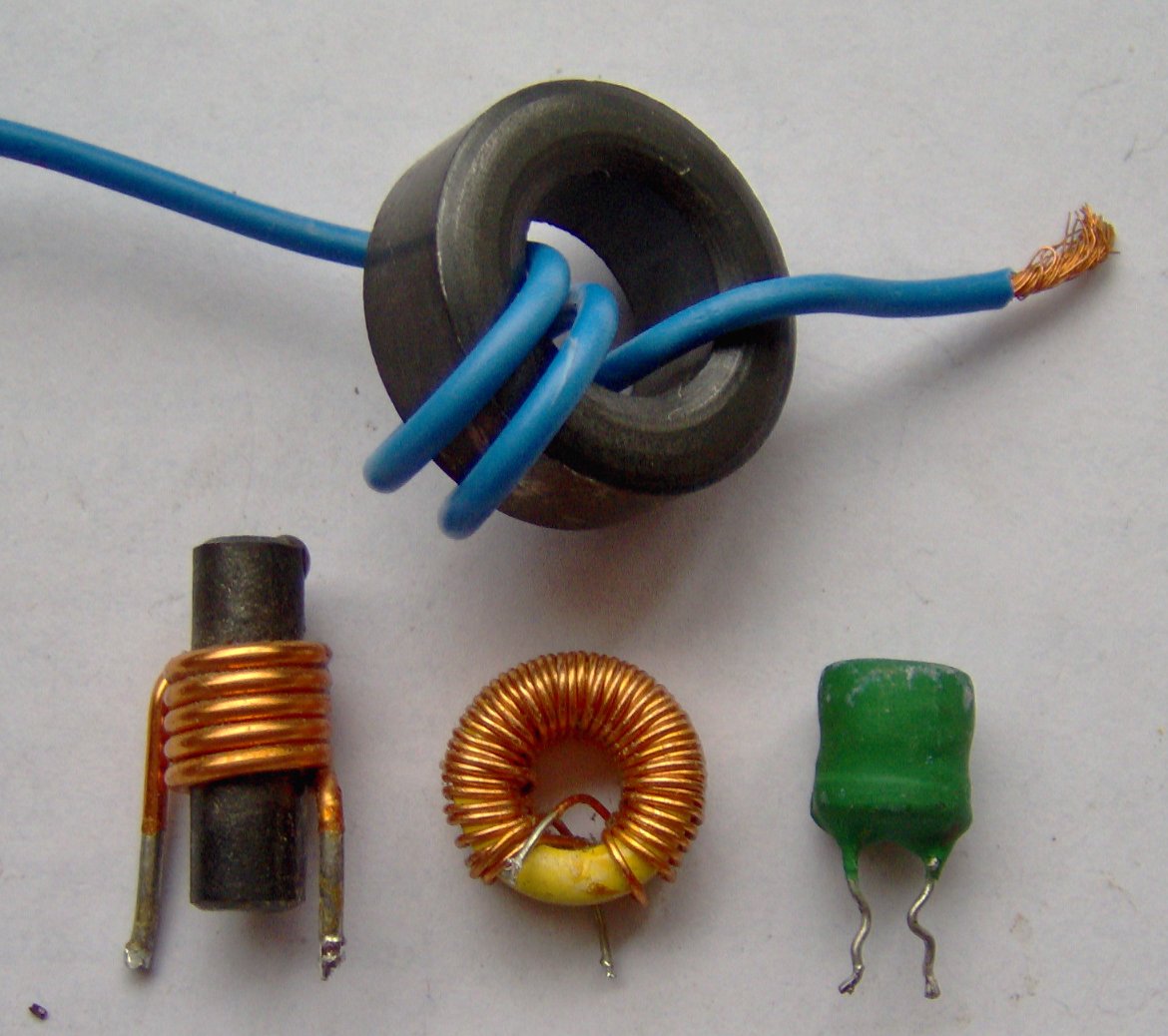
- Resistors, capacitors and inductors shape currents, voltages and timing.
- Diodes make current preferentially flow in one direction.
- Transistors switch and amplify.
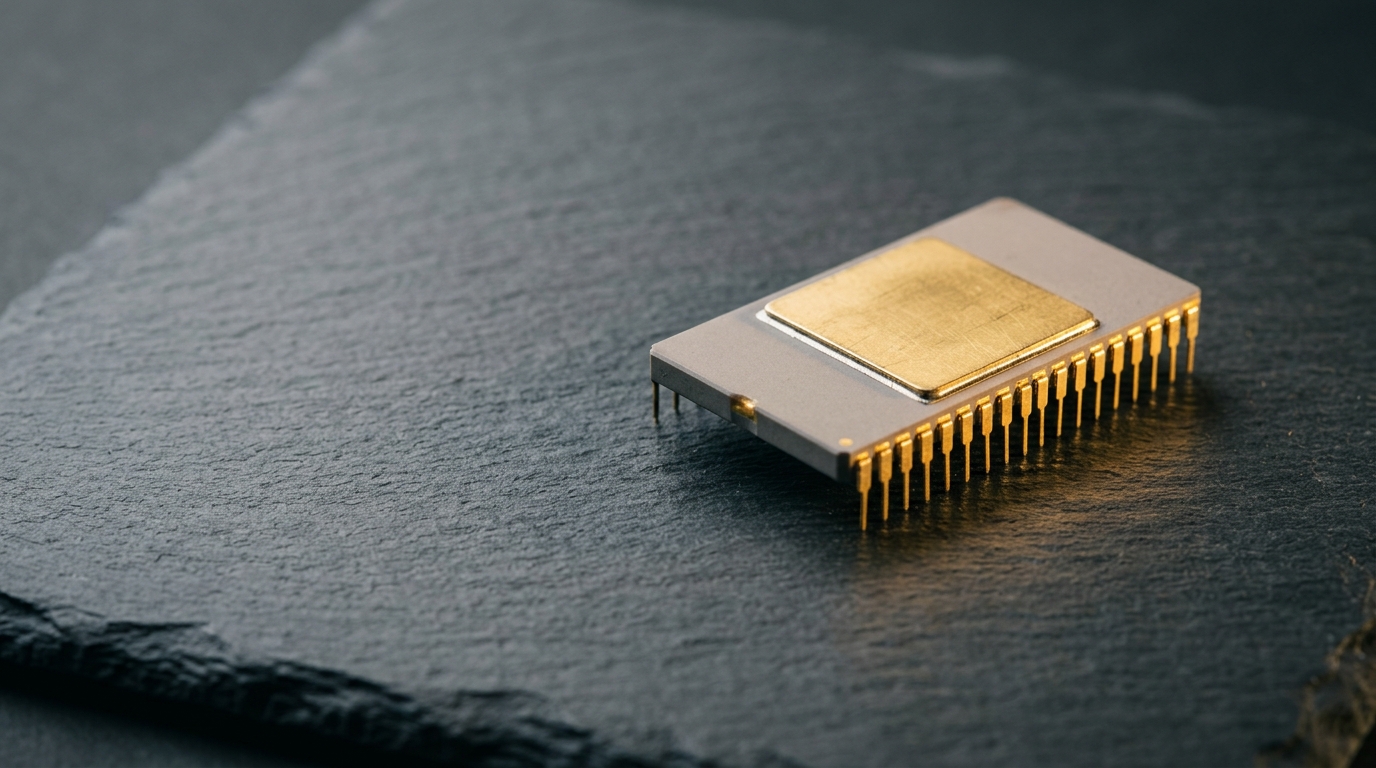
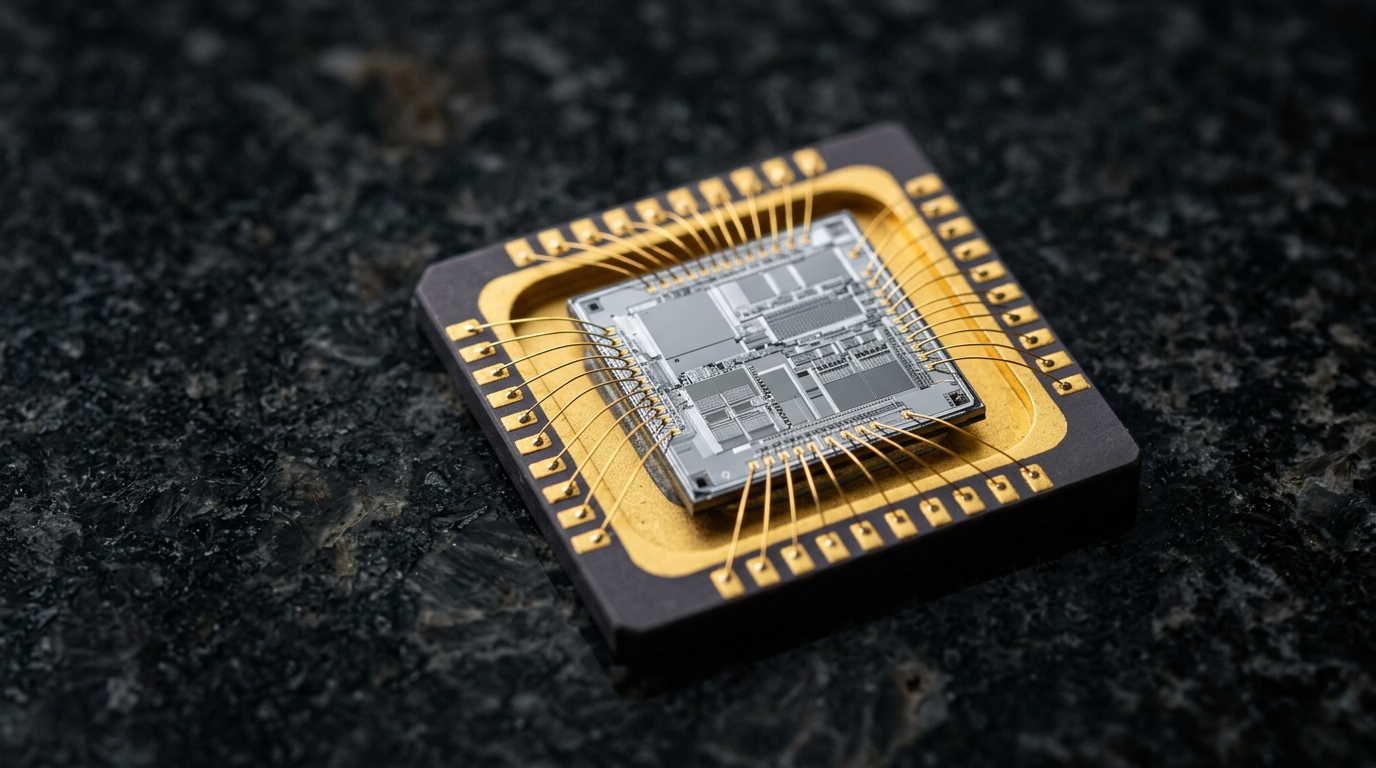
- Integrated circuits combine many devices in one manufactured structure.
- Sensors and actuators connect circuits to the physical world.
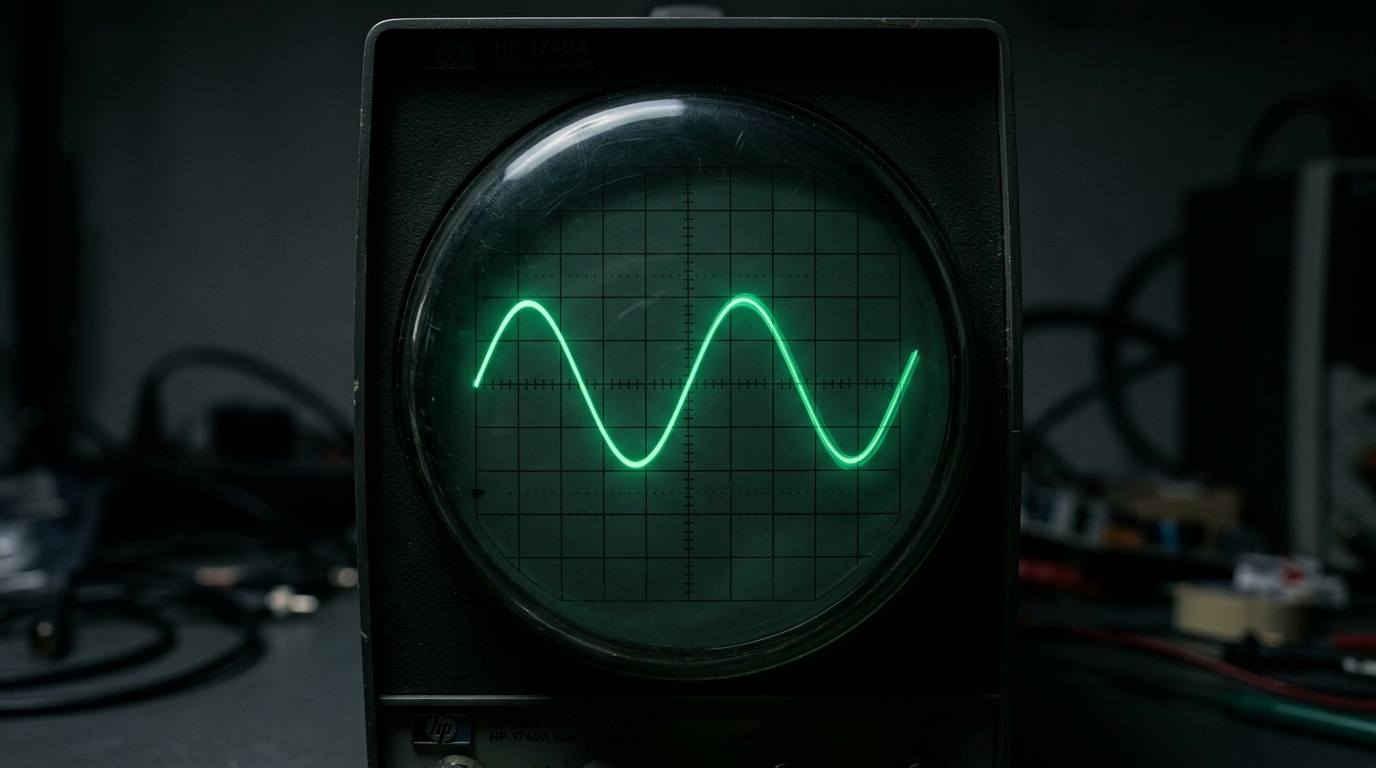
Analog electronics handles continuously varying quantities. Digital electronics represents information with discrete states. Most useful products combine both.
A short history
Vacuum valves enabled early amplification, radio and electronic computing. Transistors made circuits smaller, cooler and more reliable. Integrated circuits placed many transistors together, and microprocessors made general-purpose computation widely available.
Modern electronics now spans microscopic devices, powerful computers, wireless networks, medical instruments and household objects.
Limits and future
Electronics depends on materials, energy, manufacturing capacity and trustworthy software. Heat, noise, defects, obsolescence, e-waste and supply-chain concentration remain serious constraints.
Future systems will combine silicon with photonics, flexible materials, quantum effects and biological sensing. The important goal is not maximum complexity by itself, but reliable tools that improve human capability without sacrificing safety, privacy or repairability.
Ai disclosure: written with the help of AI (ChatGPT). You are encouraged to point out errors and omissions.