



How simulated rays model light transport to create reflections, shadows and global illumination.
What is ray tracing?
Ray tracing is a rendering method that follows rays through a scene to determine what they hit and how light is reflected, refracted or absorbed.
It can model effects that are difficult to approximate with ordinary rasterization.
What can it produce?
Ray tracing can create accurate shadows, mirror reflections, transparent materials, ambient occlusion and global illumination.
A path tracer may follow many possible light paths, while real-time systems limit and approximate the calculation.
Why is it important?
Ray tracing connects computer graphics to geometric optics. It can make images more physically convincing and support design, architecture, simulation and visual effects.
Trade-offs and future
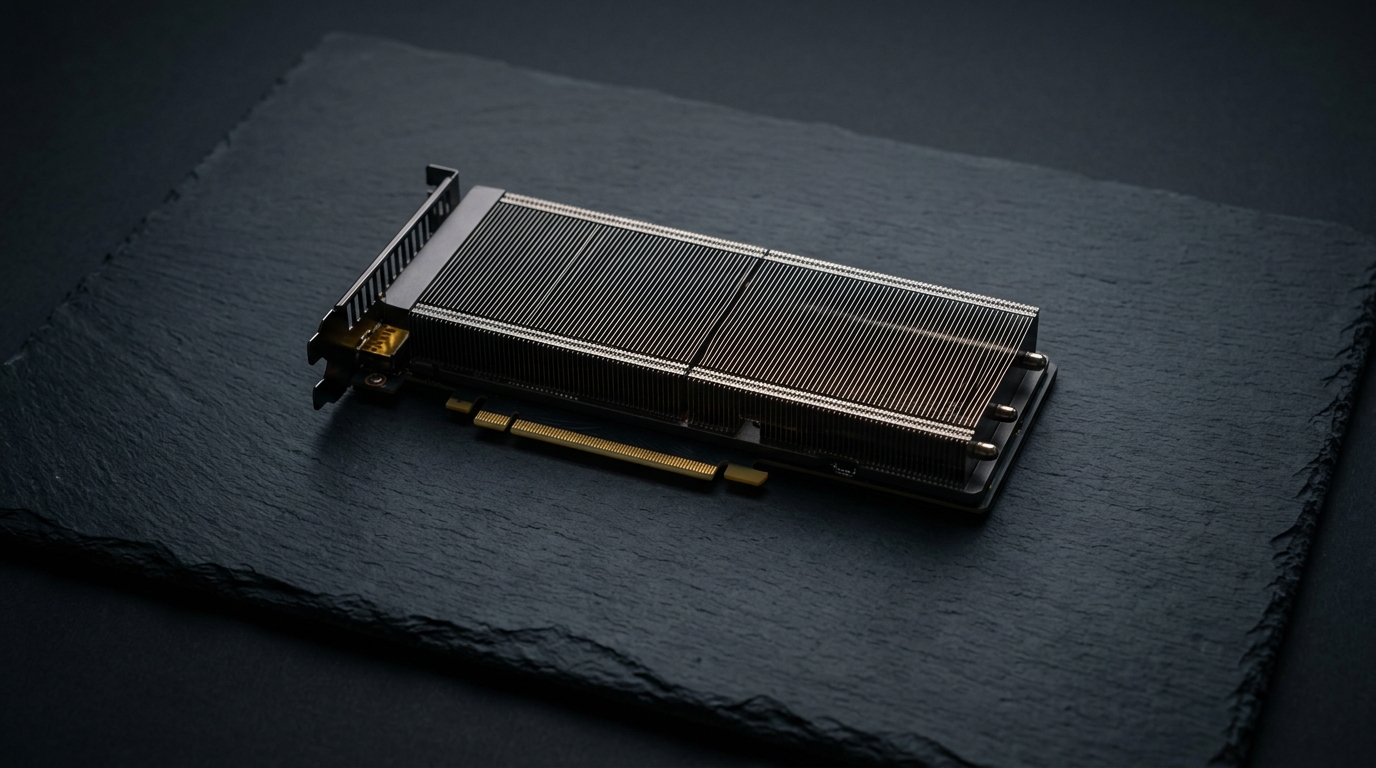
Tracing many rays is computationally expensive and noisy. Hardware acceleration, denoising, temporal reuse and machine-learning reconstruction make interactive use possible.
Future renderers will combine rasterization and ray tracing rather than treating one as a universal replacement for the other.
Ai disclosure: written with the help of AI (ChatGPT). You are encouraged to point out errors and omissions.