



A portable graphics API for describing geometry, textures, shaders and rendering operations.
What is OpenGL?
OpenGL is a cross-platform graphics API for rendering 2D and 3D images.
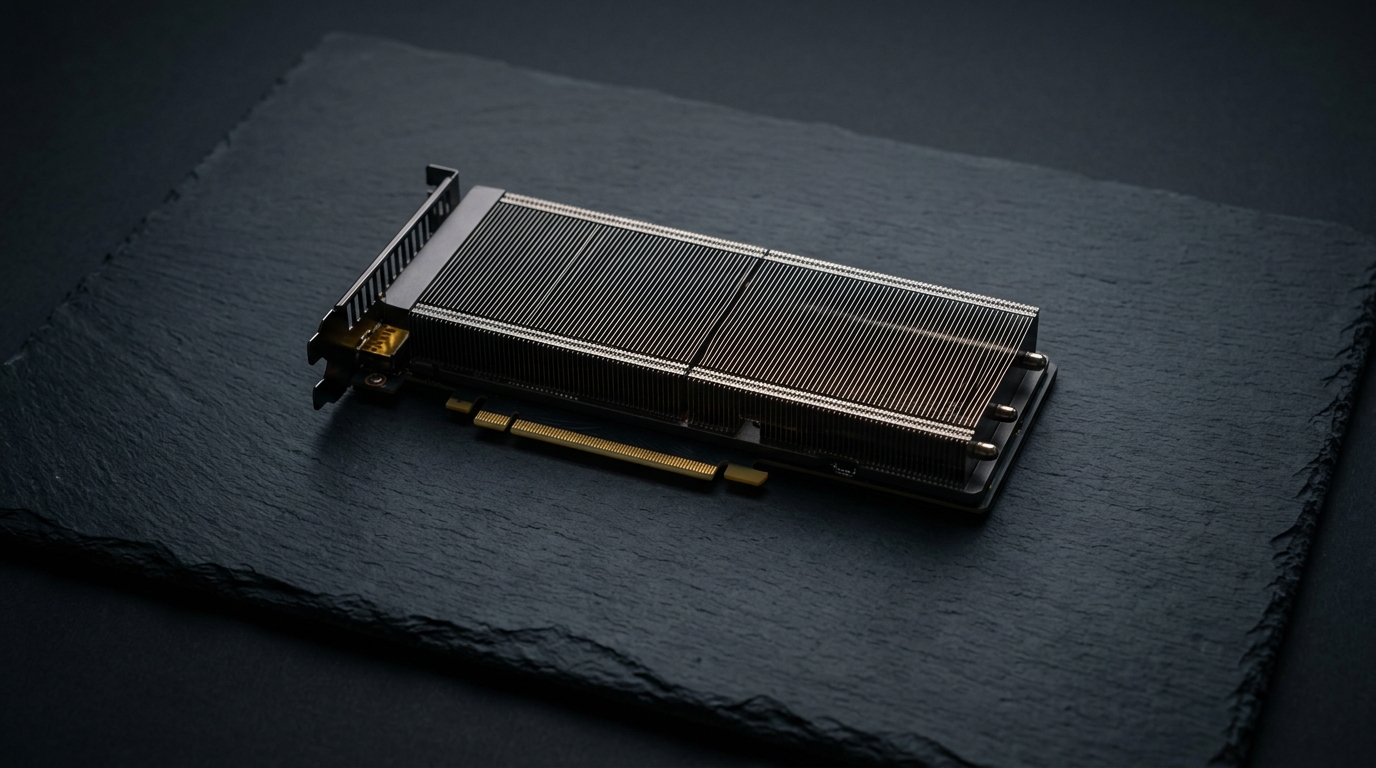
Applications submit commands and data. A driver translates them into operations for the graphics processor.
How does it work?
The traditional OpenGL model uses objects, state and a rendering pipeline. Modern versions use programmable shaders for geometry, vertices and fragments.
Buffers hold data, textures hold sampled images and programs describe transformations and material calculations.
Why is it important?
OpenGL made hardware-accelerated graphics available across operating systems and devices. It supported games, visualization, computer-aided design, scientific displays and teaching.
It remains common in legacy software, embedded systems and cross-platform tools.
Limits and legacy
Its implicit state and driver-managed behavior can make performance and synchronization difficult to predict compared with newer explicit APIs.
OpenGL's lasting value is the abstraction: applications can describe images without knowing every detail of a particular GPU.
Ai disclosure: written with the help of AI (ChatGPT). You are encouraged to point out errors and omissions.