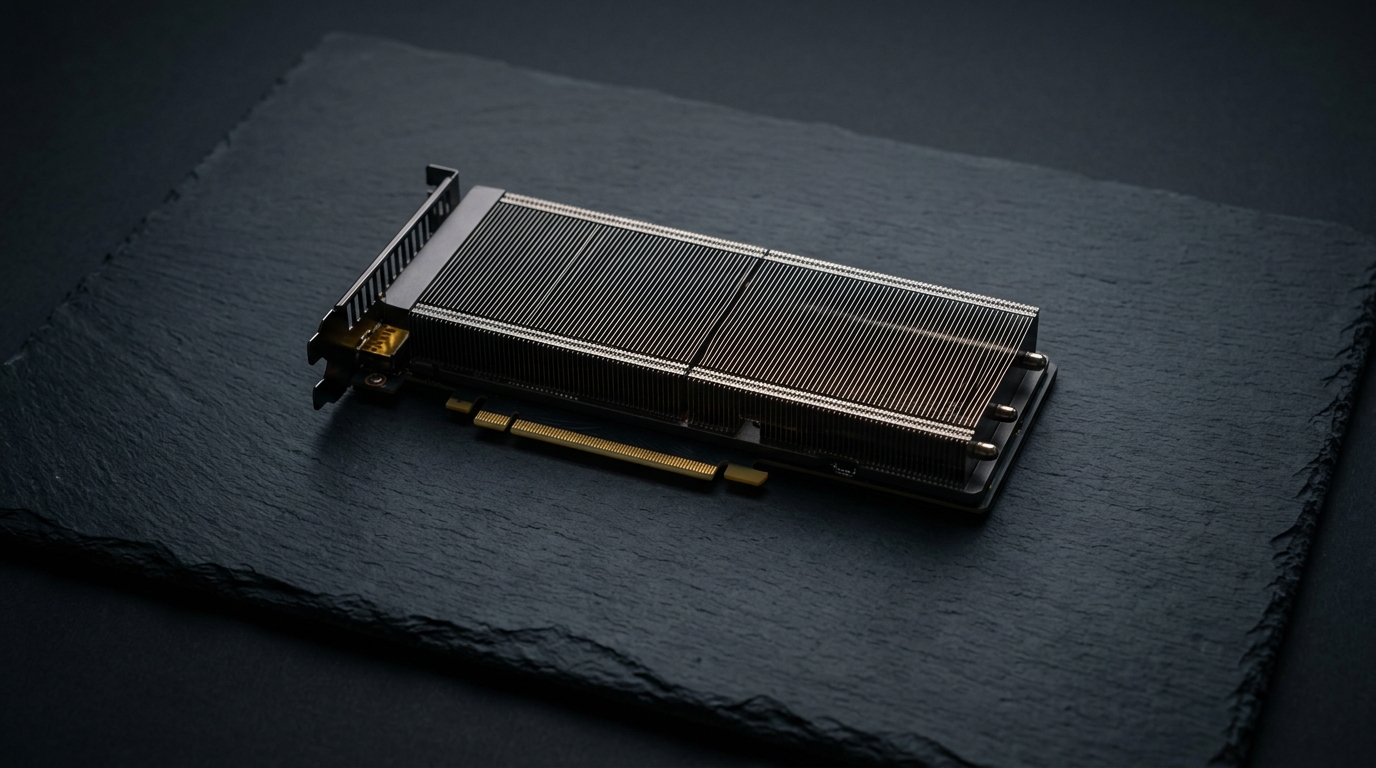



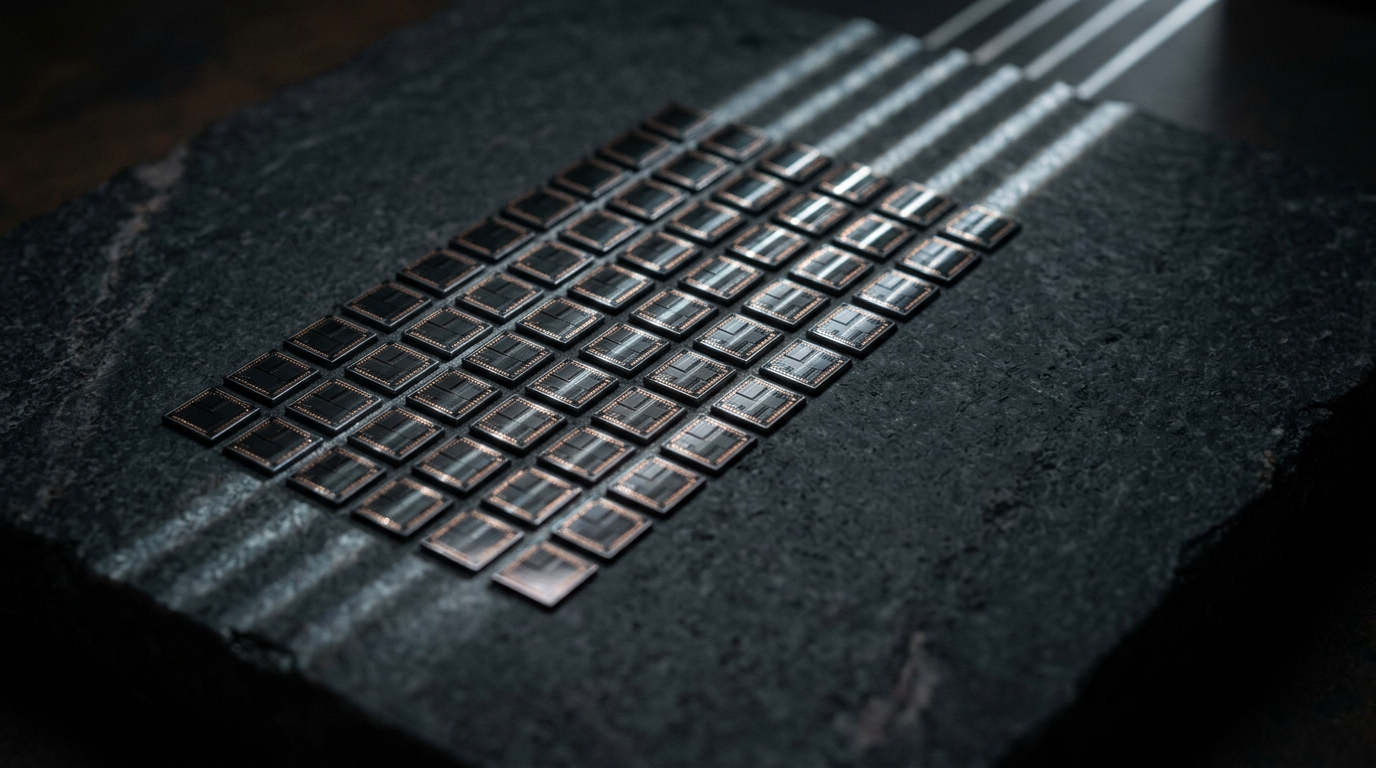
General-purpose GPU programs that use graphics hardware without producing traditional pixels.
What is a compute shader?
A compute shader is a GPU program launched over a grid of work items for tasks such as simulation, image processing, filtering, particle systems or machine learning.
It uses the same broad hardware as graphics shaders but is not tied to the traditional vertex-to-pixel pipeline.
How does it work?
Work items are grouped into local groups or blocks. Threads can cooperate through shared memory and synchronization, while global memory holds larger datasets.
Correctness and speed depend on access patterns, occupancy, barriers and the amount of parallel work.
Why is it important?
Compute shaders let a graphics application use the GPU for physics, post-processing, culling, video work and other algorithms without a separate compute device.
They also provide a bridge between graphics APIs and general-purpose GPU computing.
Limits and future
Irregular algorithms and communication-heavy tasks may run better on a CPU or another accelerator.
Future APIs will make heterogeneous compute more portable, while programmers still need to reason about memory movement and numerical accuracy.
Ai disclosure: written with the help of AI (ChatGPT). You are encouraged to point out errors and omissions.