


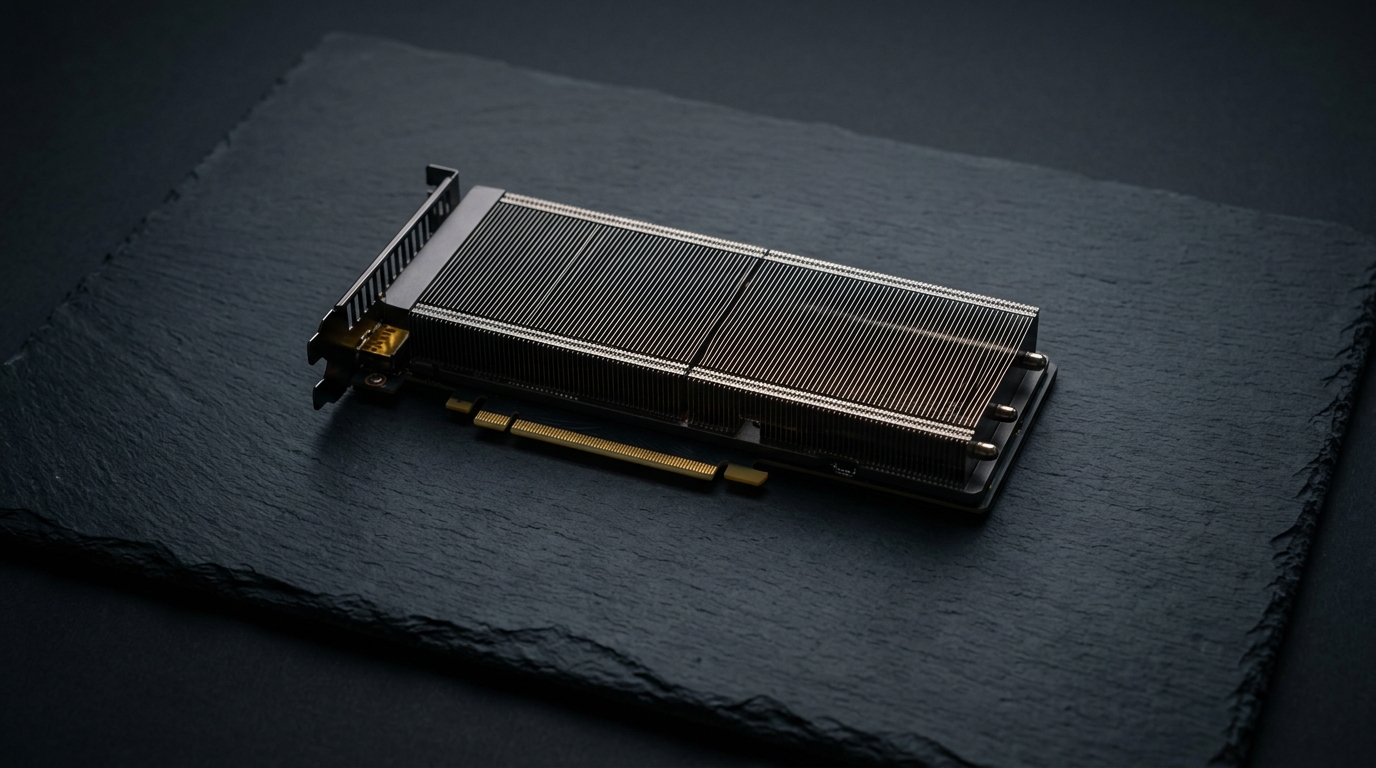
How a specialized computer board renders images and accelerates parallel workloads.
What is a graphics card?
A graphics card is a computer subsystem that renders images and often accelerates other parallel calculations.
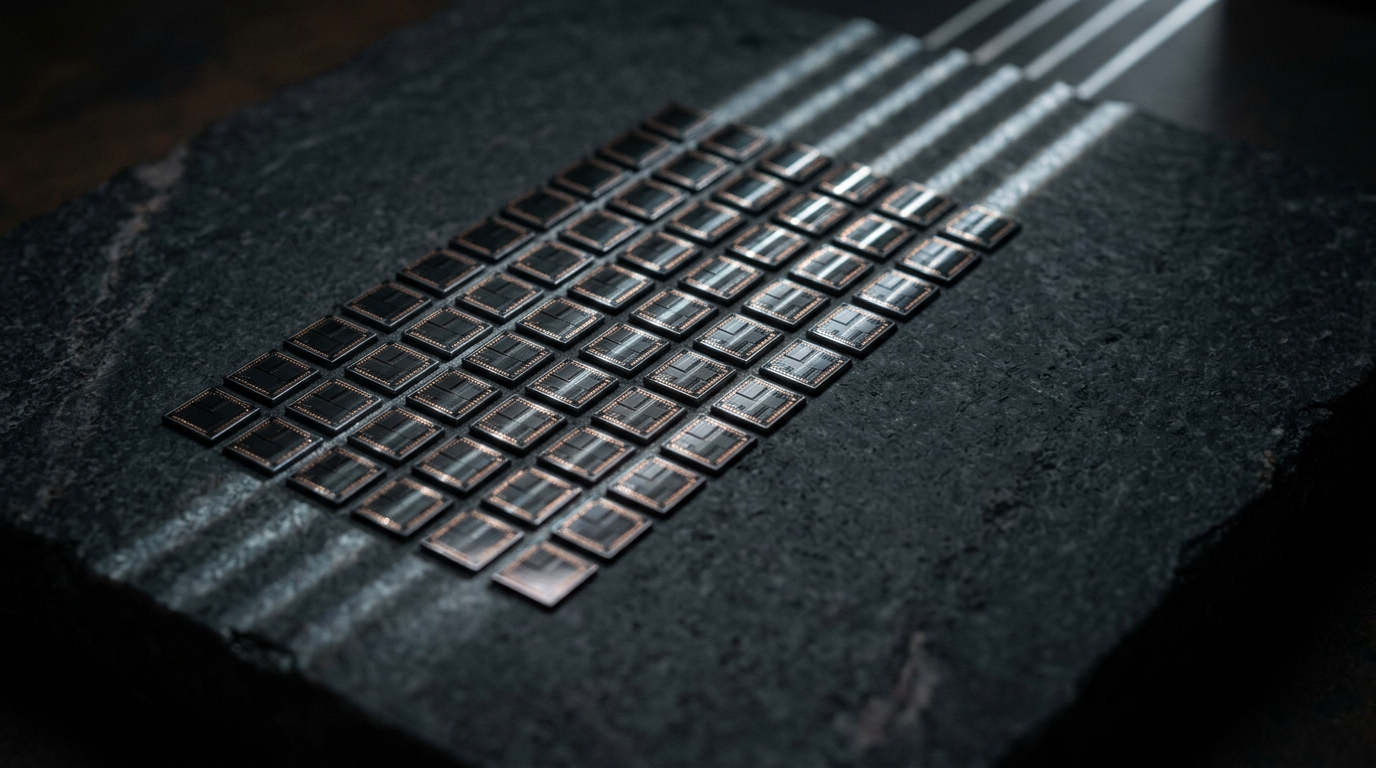
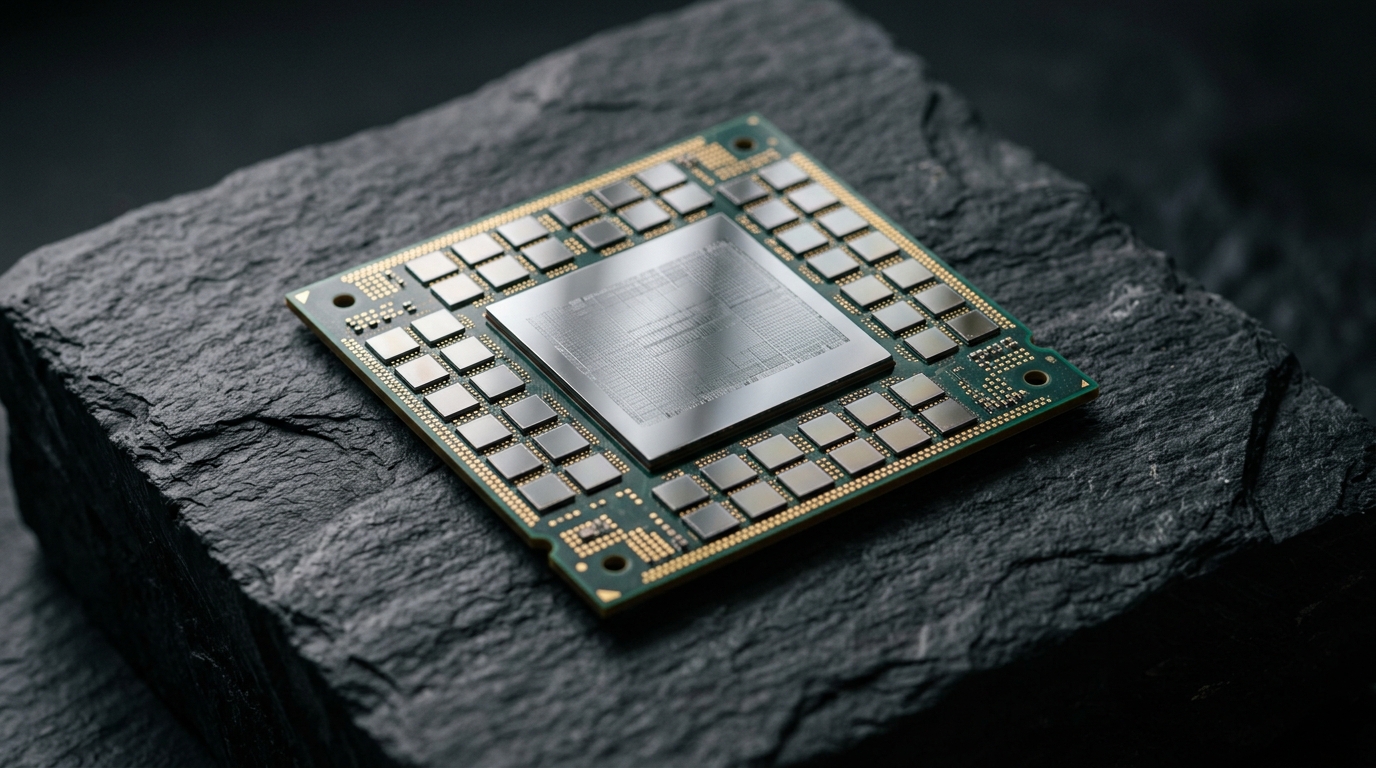
It usually contains a graphics processing unit (GPU), dedicated memory, power regulation, display outputs and cooling.
How does it render?
Software sends geometry, textures, shaders and commands to the GPU. The GPU transforms these descriptions into pixels through a pipeline that includes vertex processing, rasterization, shading, depth tests and output.
Modern cards may also include ray-tracing and matrix-computation units.
Why is it important?
Graphics cards make interactive visual worlds, scientific visualization, video production, simulation, computer-aided design and modern games practical.
Their parallel hardware also supports machine learning and other workloads with many similar operations.
Limits and future
Graphics cards consume substantial power, generate heat and depend on fast memory and software drivers. They are not automatically faster for every task.
Future cards will combine graphics, AI, ray tracing, high-bandwidth memory and more efficient packaging. The important design question is how much computation should be specialized and how openly it can be programmed.
Ai disclosure: written with the help of AI (ChatGPT). You are encouraged to point out errors and omissions.