


Why massively parallel processors are useful for graphics, simulation and machine learning.
What is a GPU?
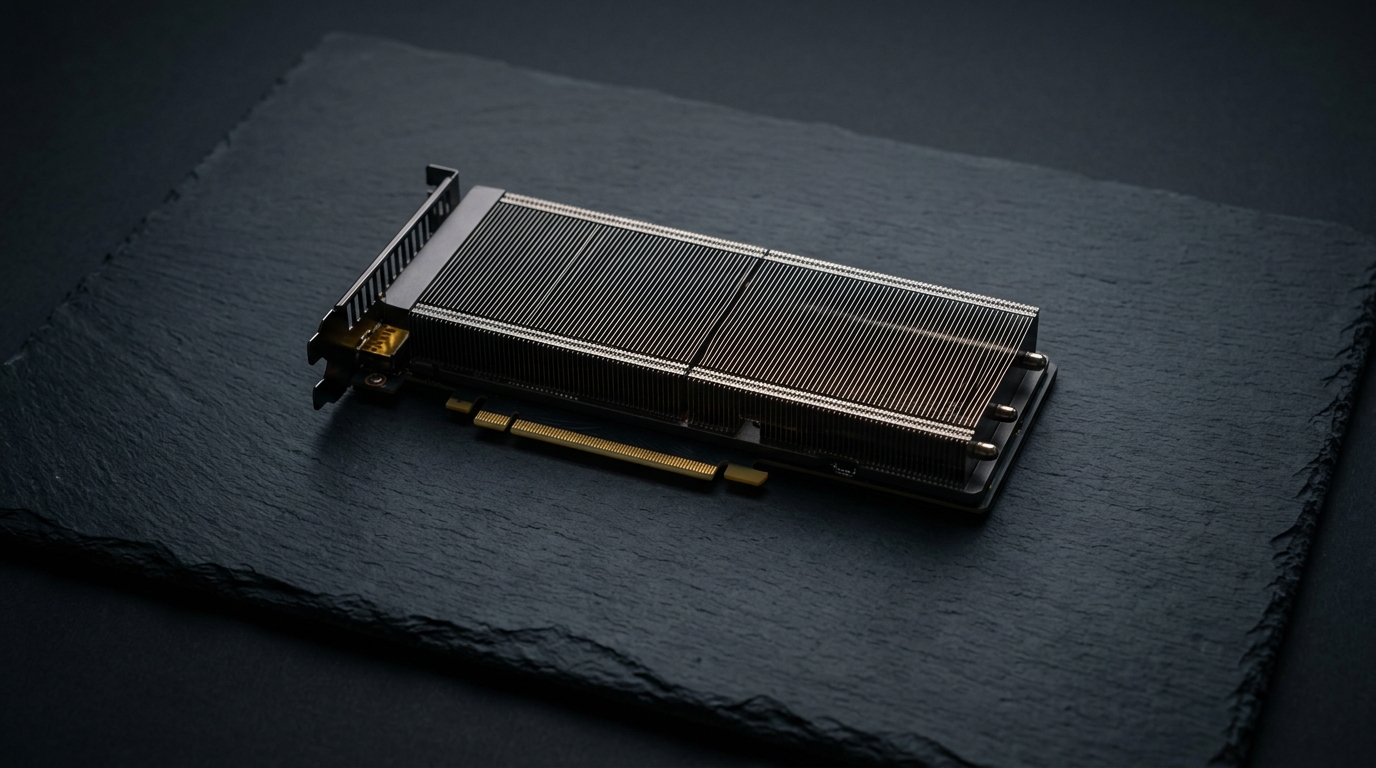
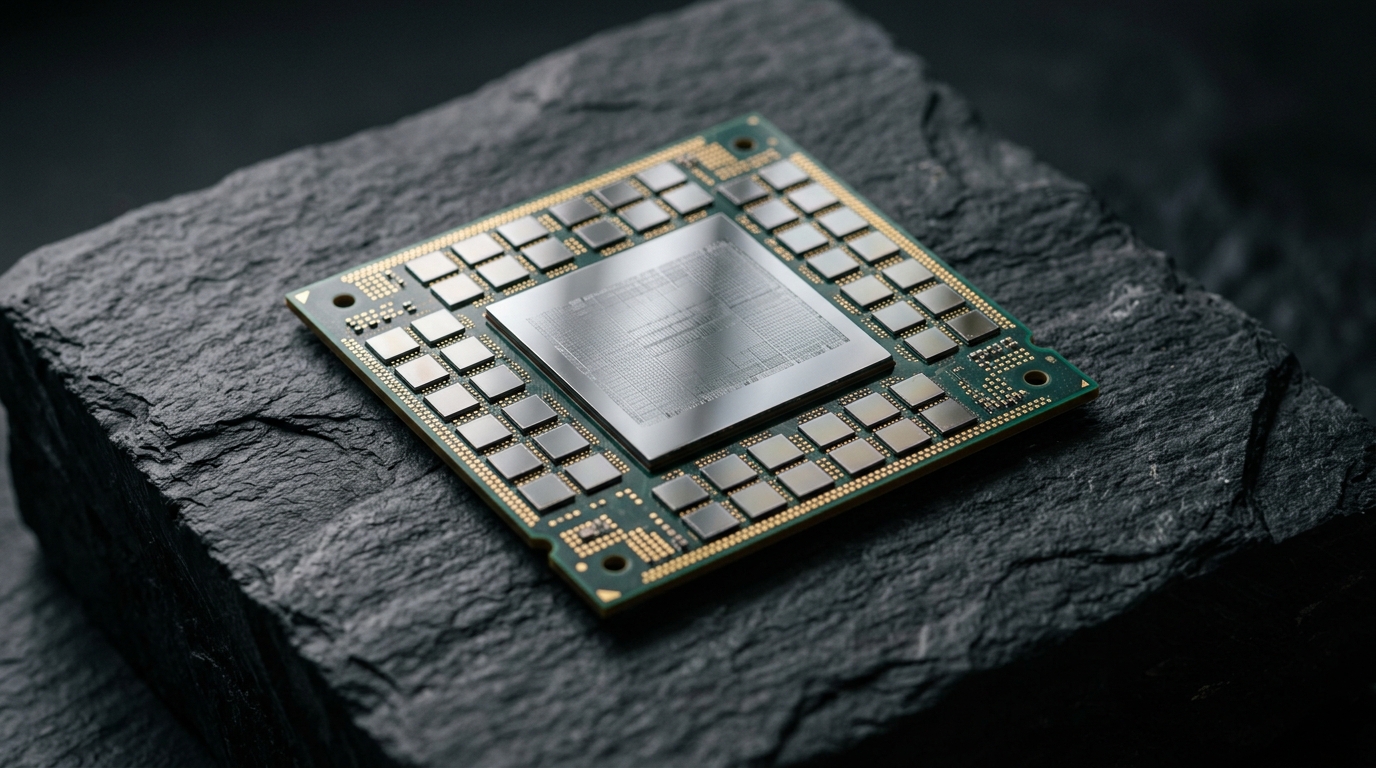
A graphics processing unit is a processor designed to perform many similar operations in parallel.
A CPU usually emphasizes flexible, low-latency control. A GPU devotes more hardware to throughput, applying one instruction pattern across many data elements.
Why is it useful?
Graphics are naturally parallel: many pixels, vertices and rays can be processed at once.
The same structure helps with matrix operations, simulation, image processing, scientific computing and machine learning.
How is it programmed?
A GPU contains compute units, registers, caches and memory interfaces. Programs divide work into kernels or shader stages that run across many threads.
Performance depends on memory movement, occupancy, branching, precision and the shape of the algorithm—not simply the number of cores.
Future
GPUs will become more heterogeneous, working beside CPUs, neural accelerators and specialized interconnects.
Their power is substantial, but so are energy use, programming complexity, heat and dependence on proprietary toolchains.
Ai disclosure: written with the help of AI (ChatGPT). You are encouraged to point out errors and omissions.