


JabberWok at English Wikipedia / Wikimedia Commons — CC BY-SA 3.0
The framework used to describe matter and light at atomic and subatomic scales.
What is quantum physics?
Quantum physics is the framework used to describe matter and light at atomic and subatomic scales.
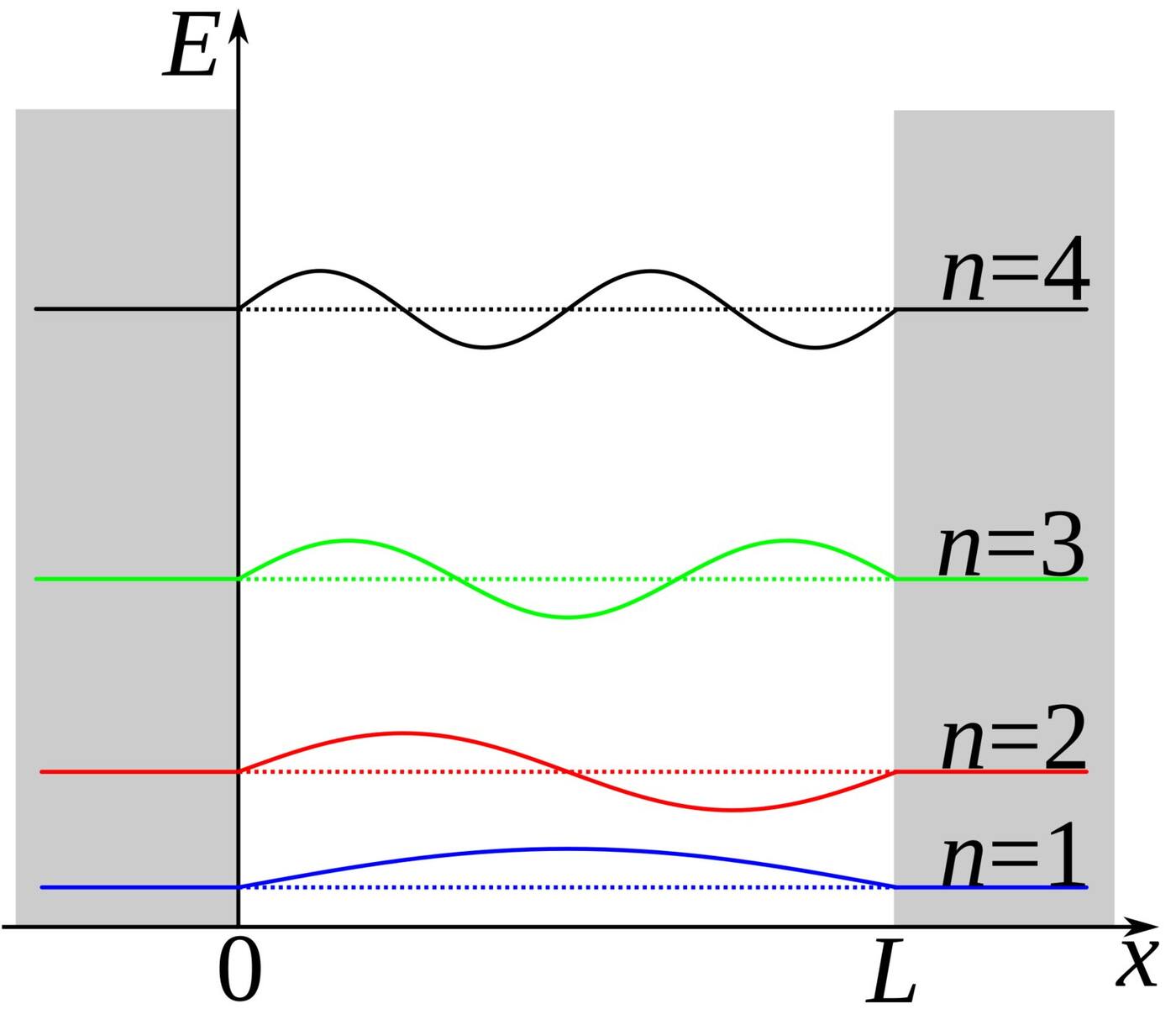
It replaces some classical quantities with states, operators, probabilities and discrete interactions.
Core ideas
A quantum system can be in a superposition of possibilities. Measurements produce outcomes with probabilities determined by the state. Some systems show correlations that cannot be reproduced by a simple classical hidden-variable picture.
These statements do not mean that every possibility is equally likely or that human thought controls nature.
Why is it important?
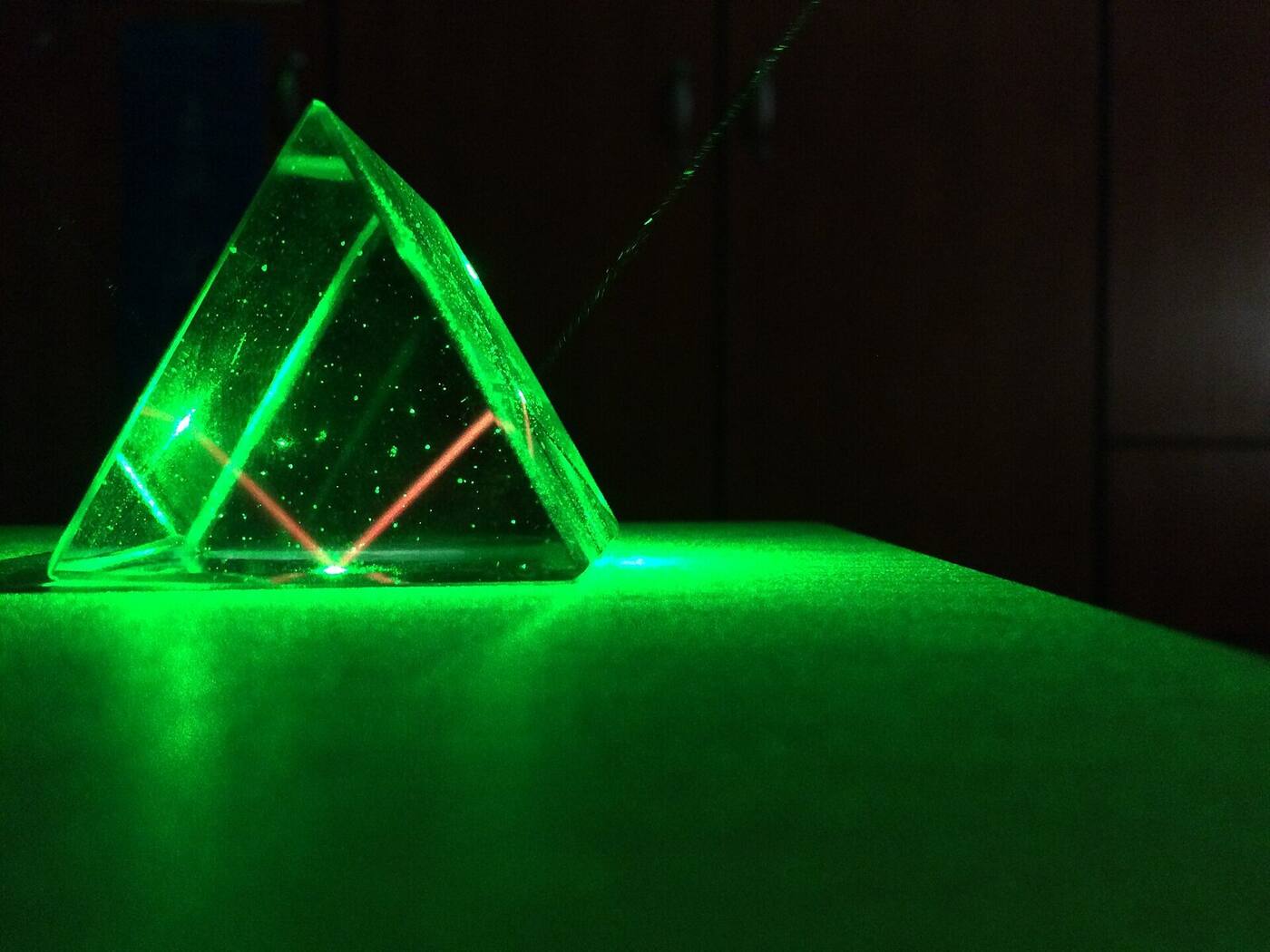
Quantum physics explains atoms, chemical bonds, lasers, semiconductors, magnetic materials, nuclear processes and much of modern electronics.
It also motivates quantum information technologies, though practical devices remain difficult.
History and limits
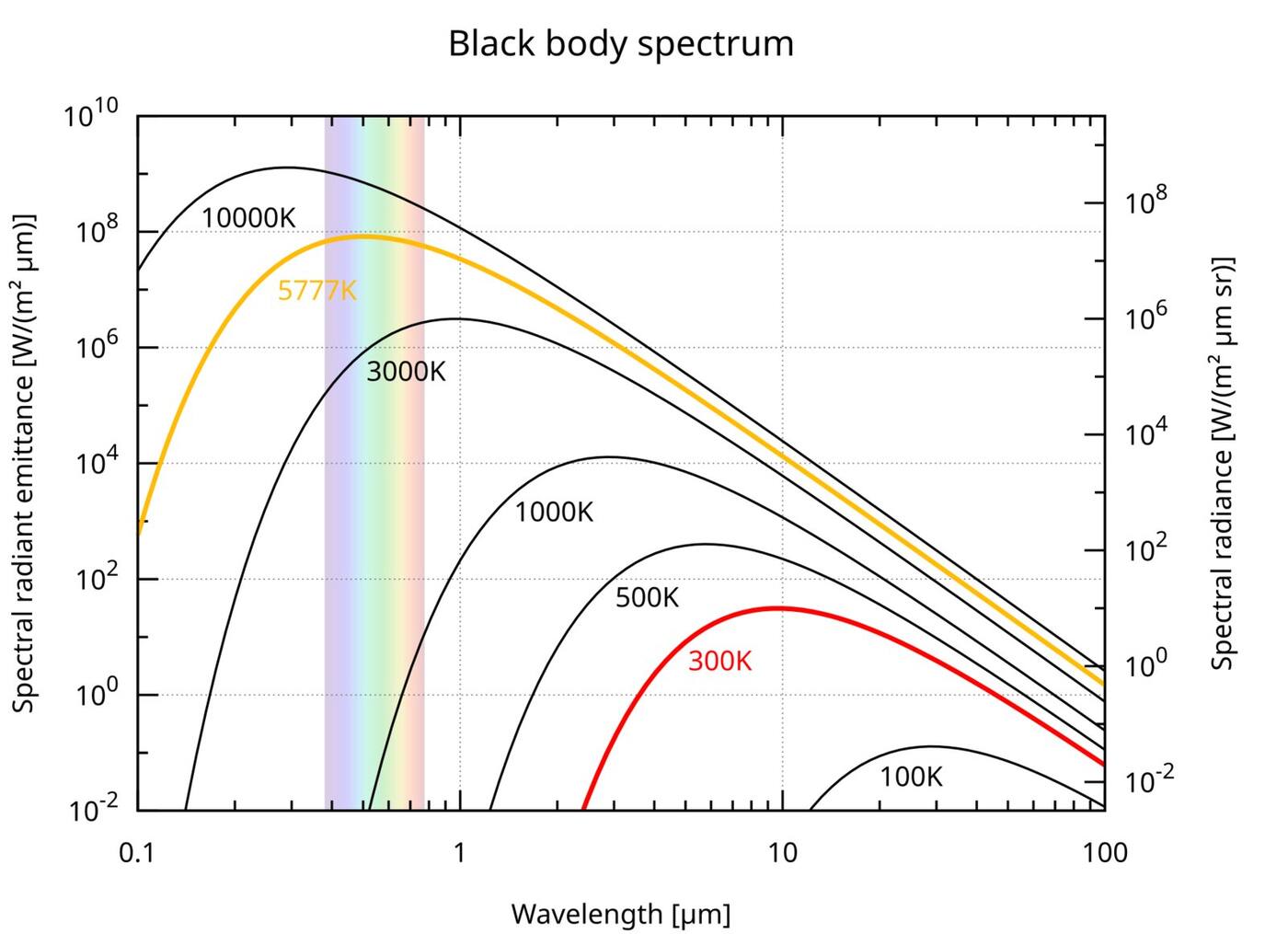
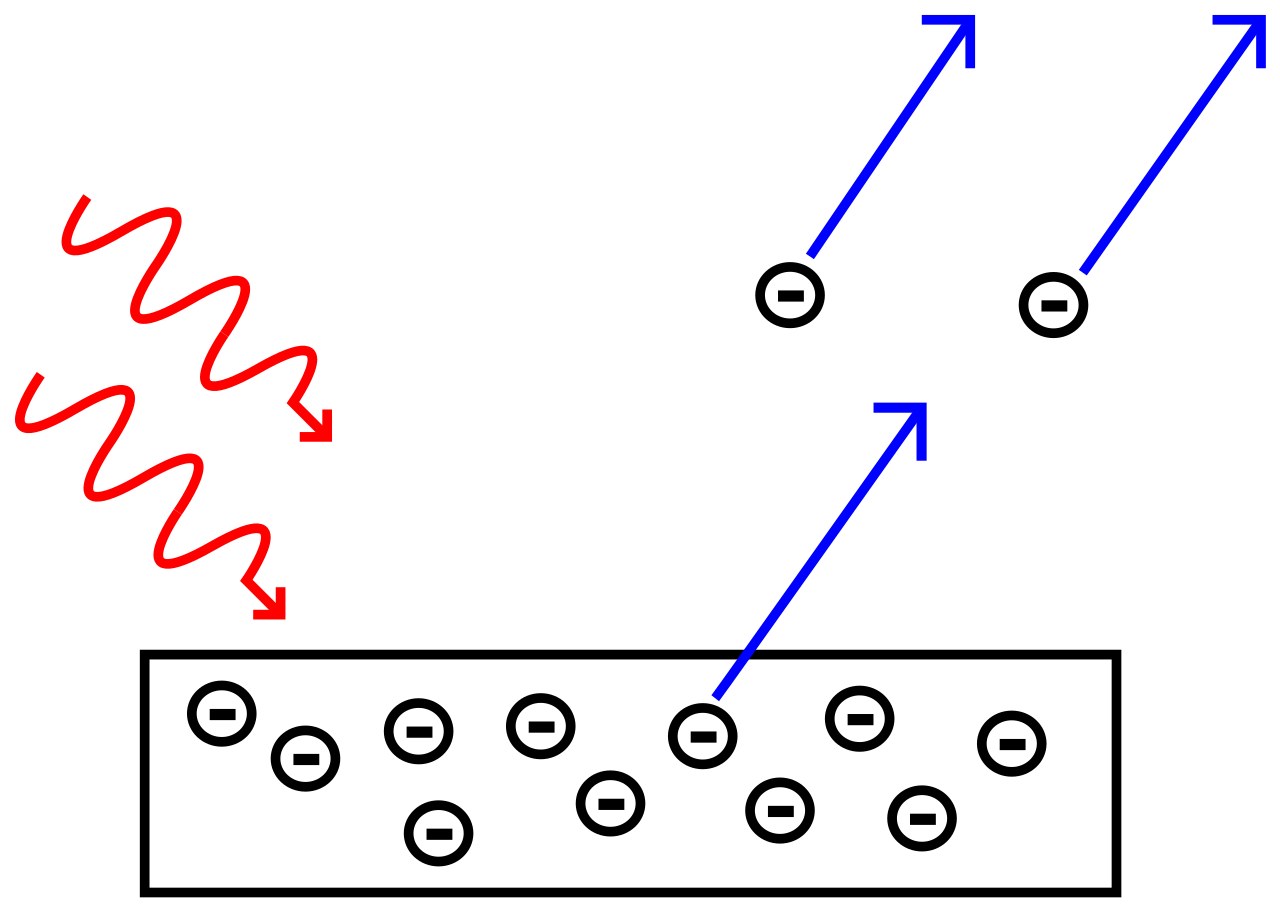
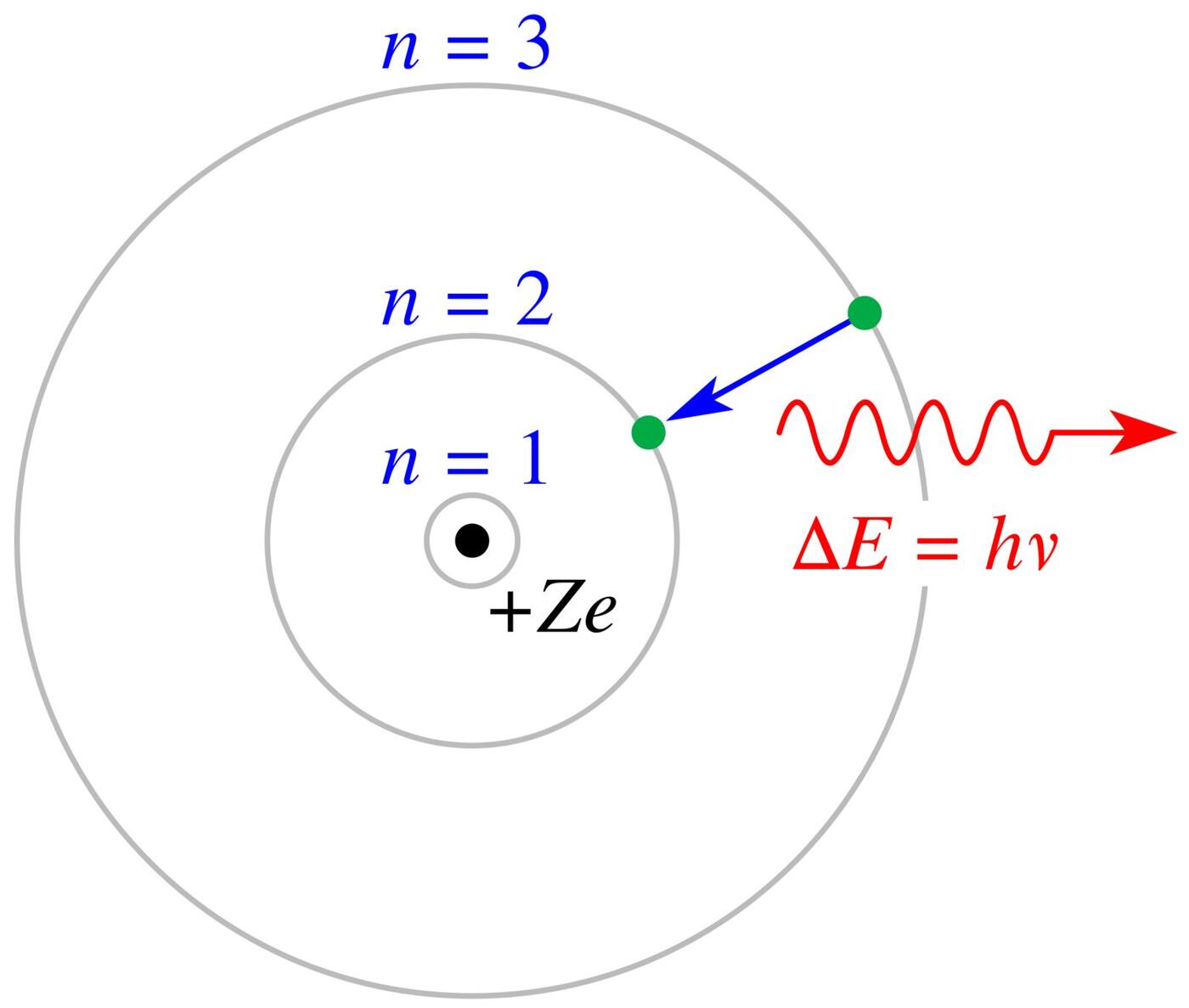
Black-body radiation, the photoelectric effect, atomic spectra and the double-slit experiment challenged classical physics. Planck, Einstein, Bohr, Schrödinger, Heisenberg and many others developed the theory.
Quantum theory predicts observations extraordinarily well, but interpretation and unification with gravity remain open questions.
Ai disclosure: written with the help of AI (ChatGPT). You are encouraged to point out errors and omissions.