


Geek3 / Wikimedia Commons — CC BY-SA 4.0
How waves spread and form patterns when they pass openings or encounter edges.
What is diffraction?
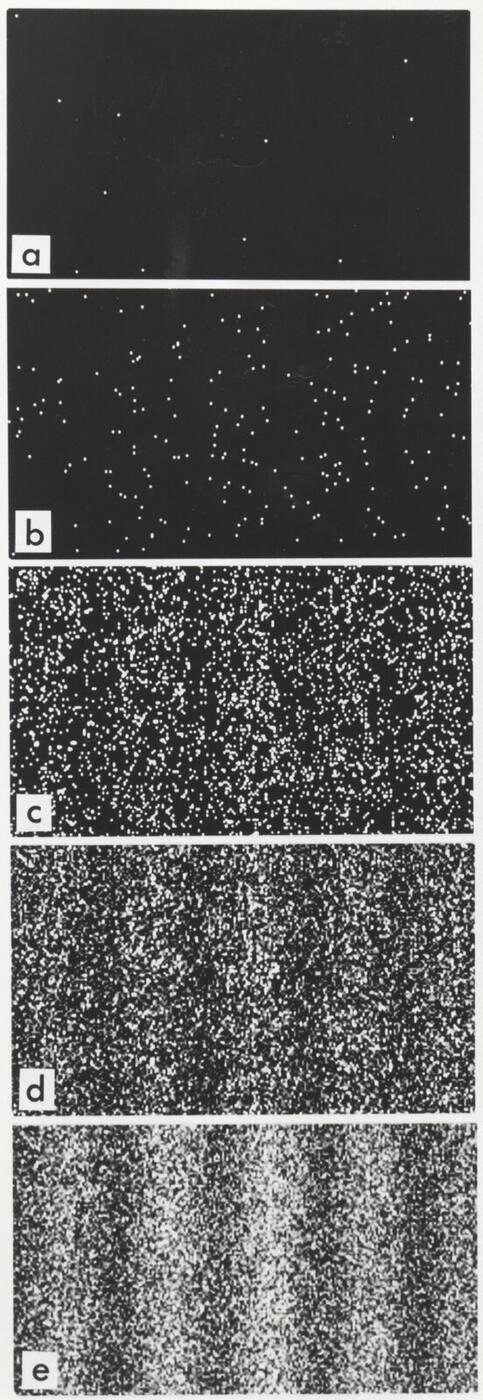
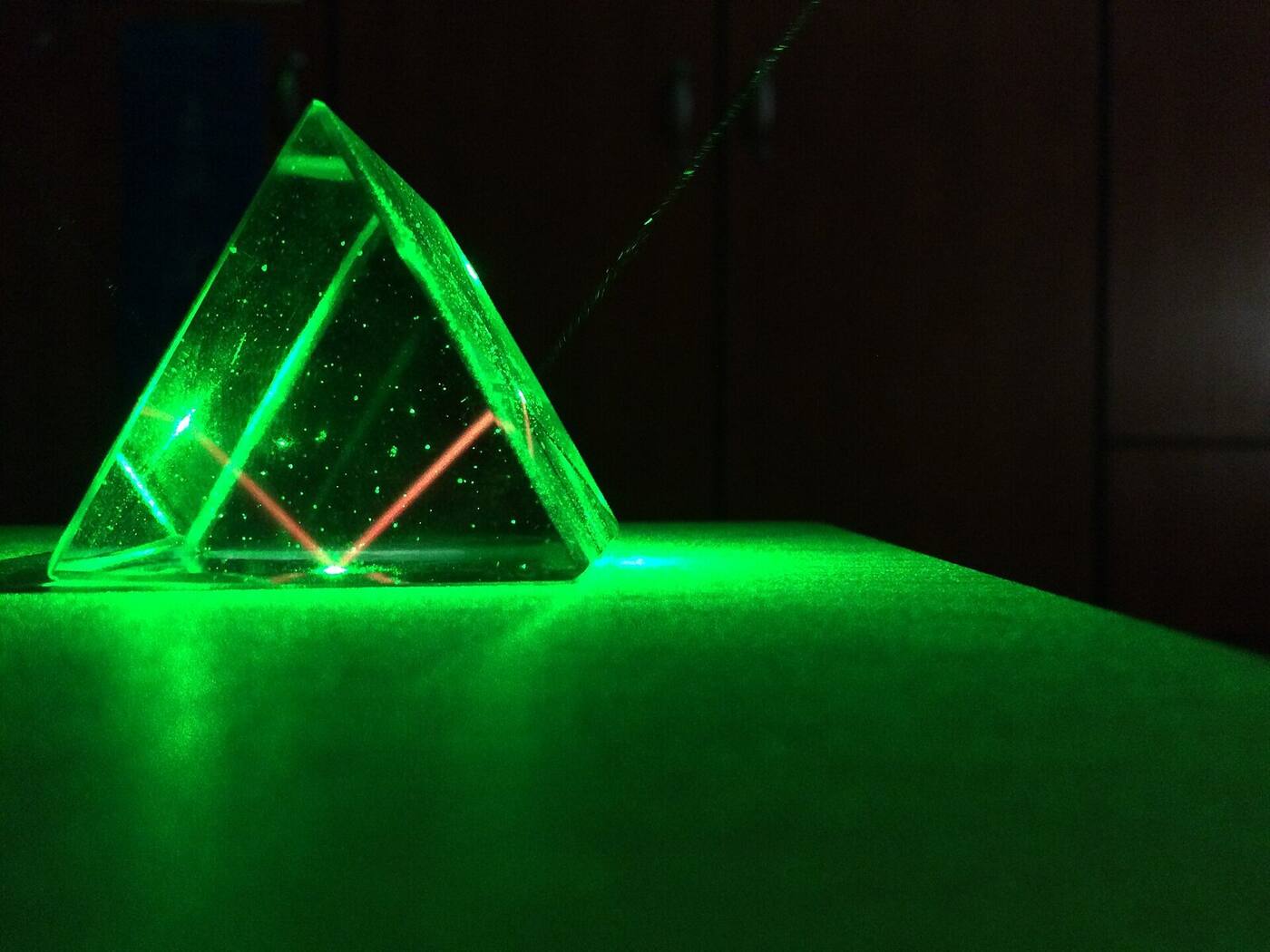
Diffraction is the spreading and interference of waves when they pass through an opening or encounter an obstacle.
It becomes especially visible when the opening is comparable to the wavelength.
What does the pattern mean?
Different paths arrive with different phases. Where they reinforce, the intensity is high; where they cancel, it is low.
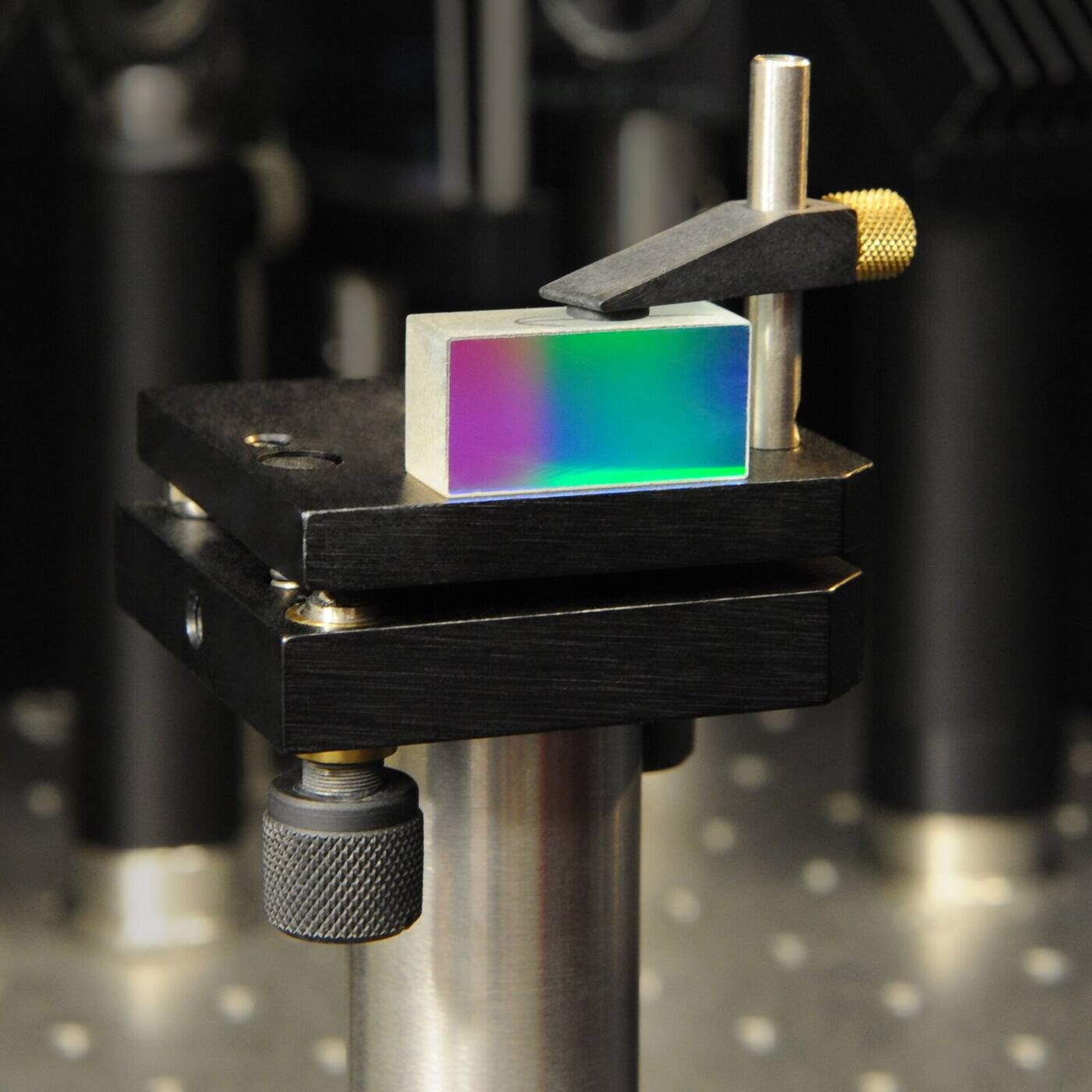
A single slit produces a central bright region with weaker fringes. A grating produces many sharp maxima and can separate wavelengths.
Why is it important?
Diffraction limits the resolution of microscopes, telescopes and cameras. It is also used in spectroscopy, crystallography, acoustic design and optical communications.
The same idea applies to water, sound, radio and matter waves, not only visible light.
Future
Engineers use computational imaging, shorter wavelengths and controlled apertures to work around practical limits, but no ordinary lens can remove the underlying wave behavior.
Diffraction is a reminder that imaging is a physical measurement, not a perfect window onto the world.
Ai disclosure: written with the help of AI (ChatGPT). You are encouraged to point out errors and omissions.