


Geek3 / Wikimedia Commons — CC BY-SA 3.0
How electric charge, magnetic fields, light and electromagnetic waves form one physical theory.
What is electromagnetism?
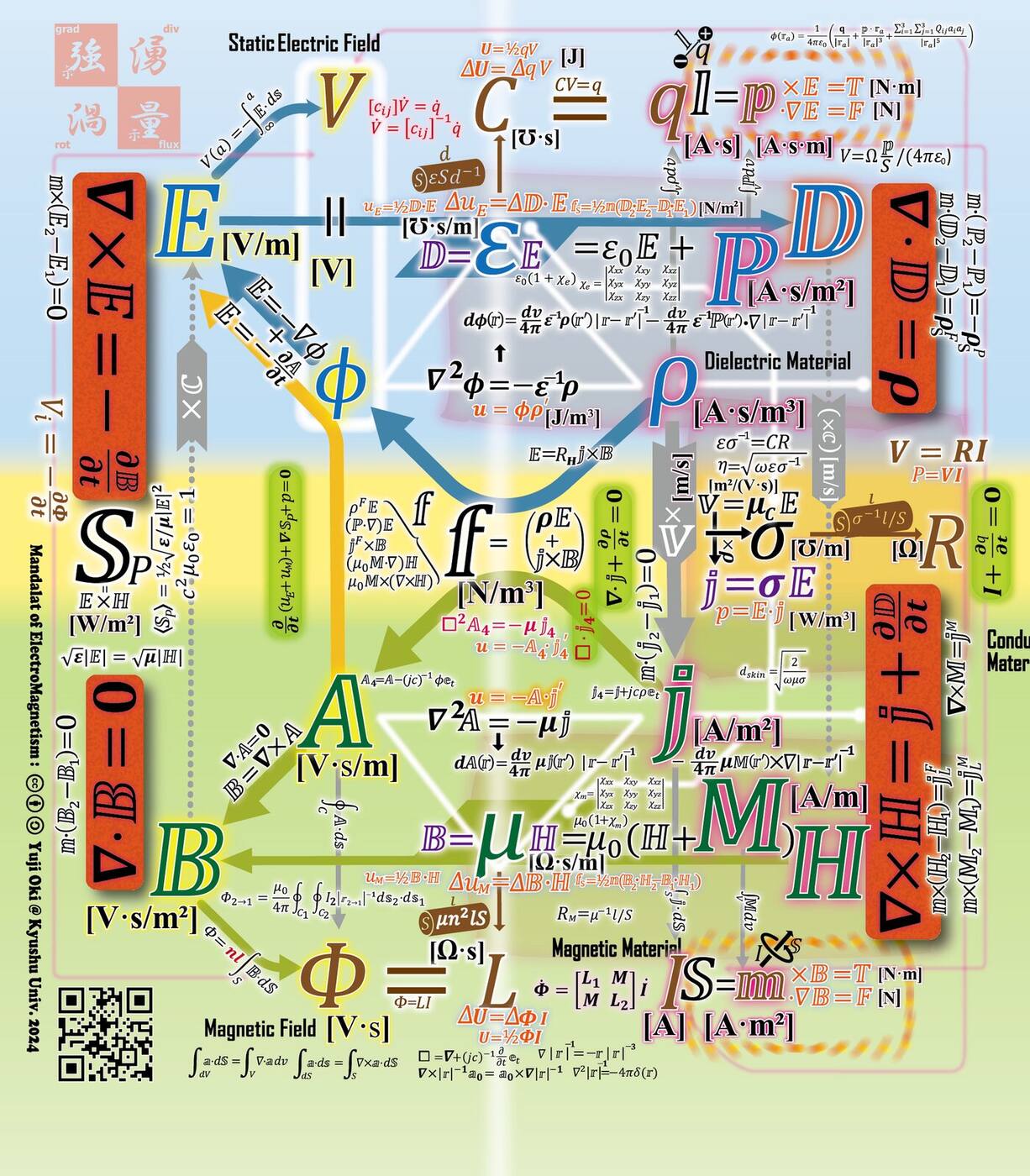
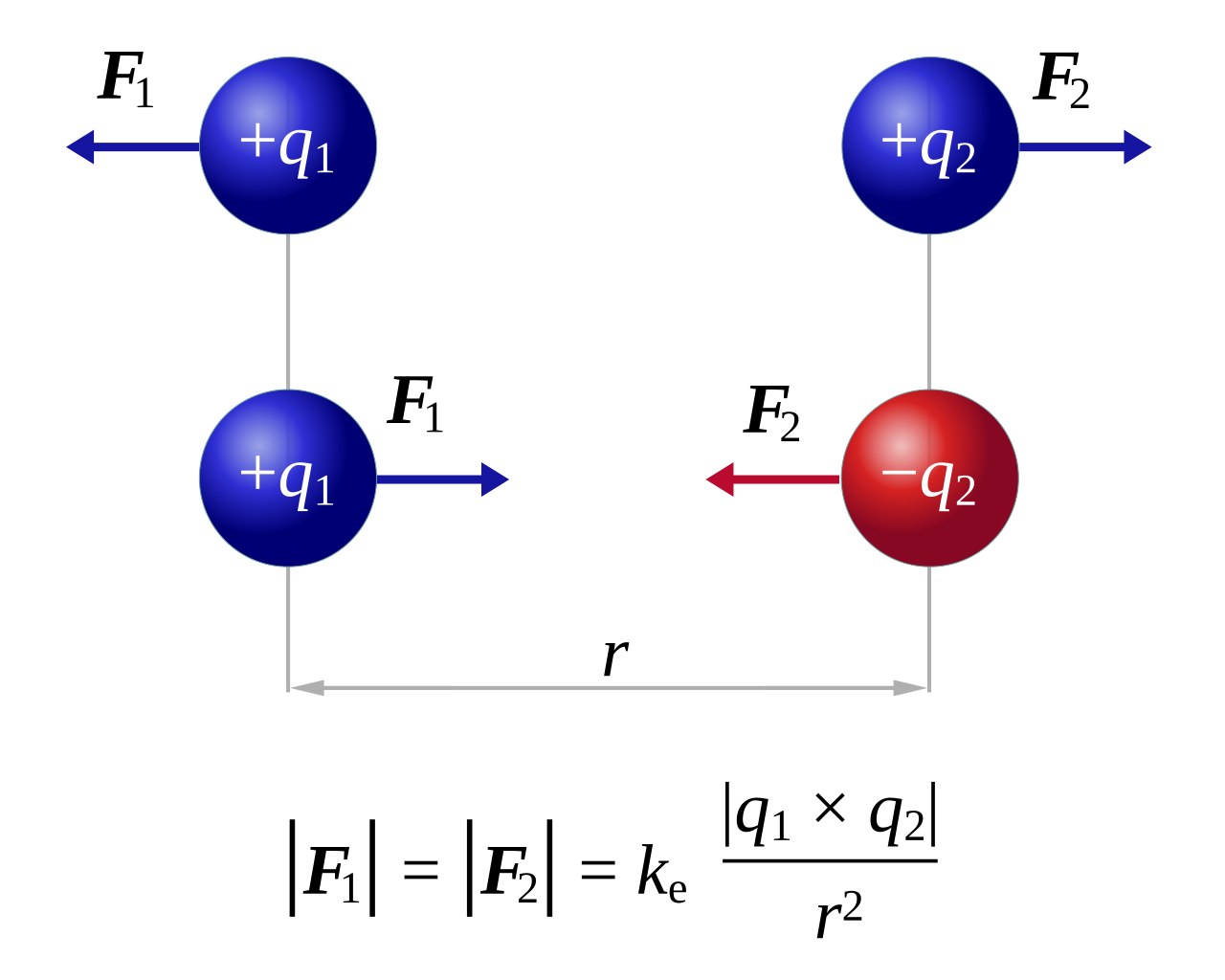
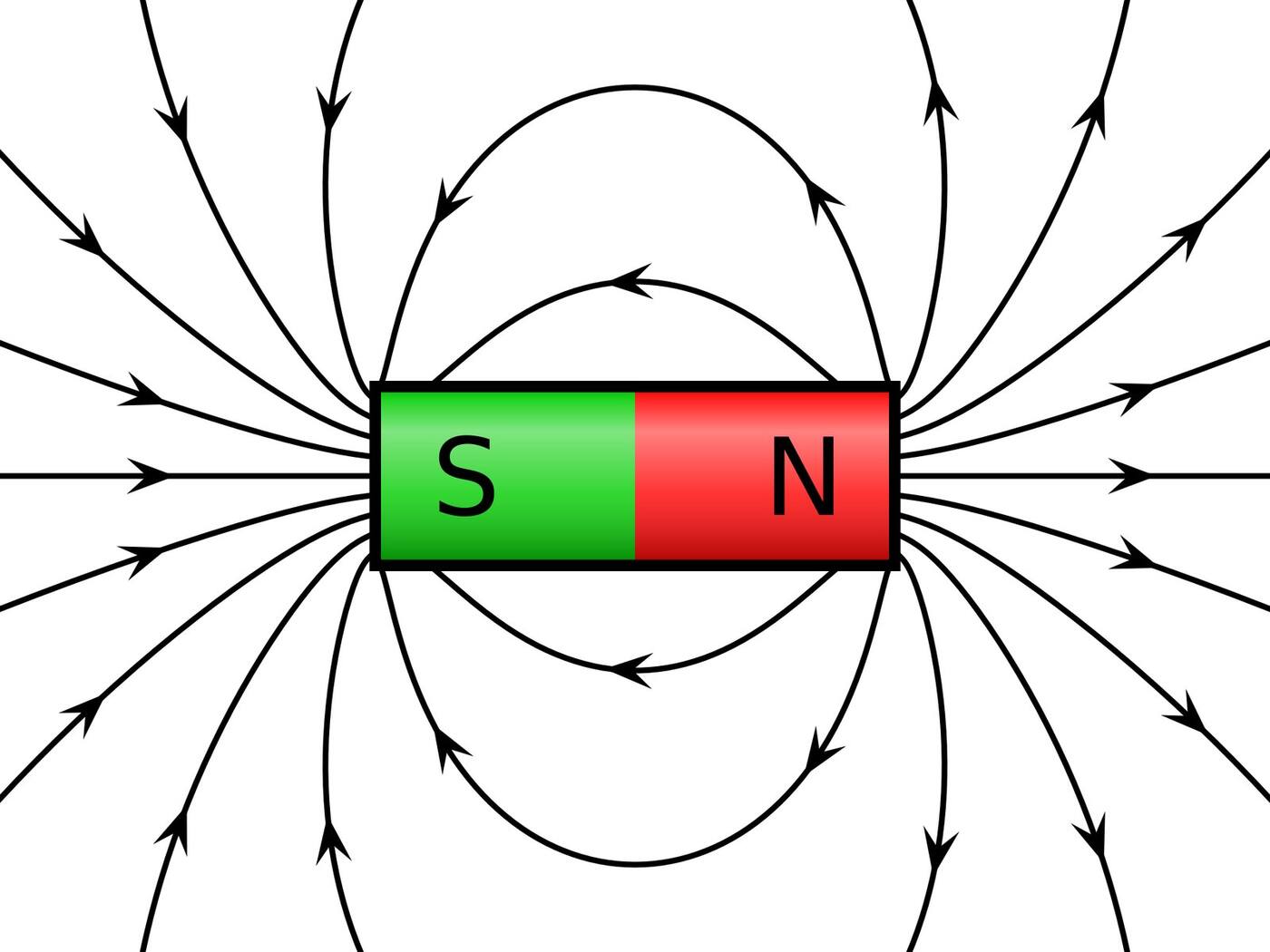
Electromagnetism is the theory of electric charge, electric fields, magnetic fields and their interaction.
It unifies what may seem like separate phenomena: static charge, circuits, magnets, induction, radio and light.
Central ideas
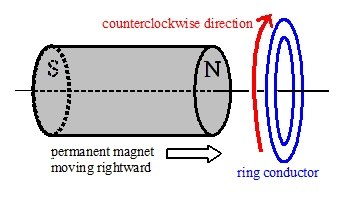
Charges create electric fields. Moving charges create magnetic fields. Changing magnetic fields induce electric effects, and changing electric fields contribute to magnetic effects.
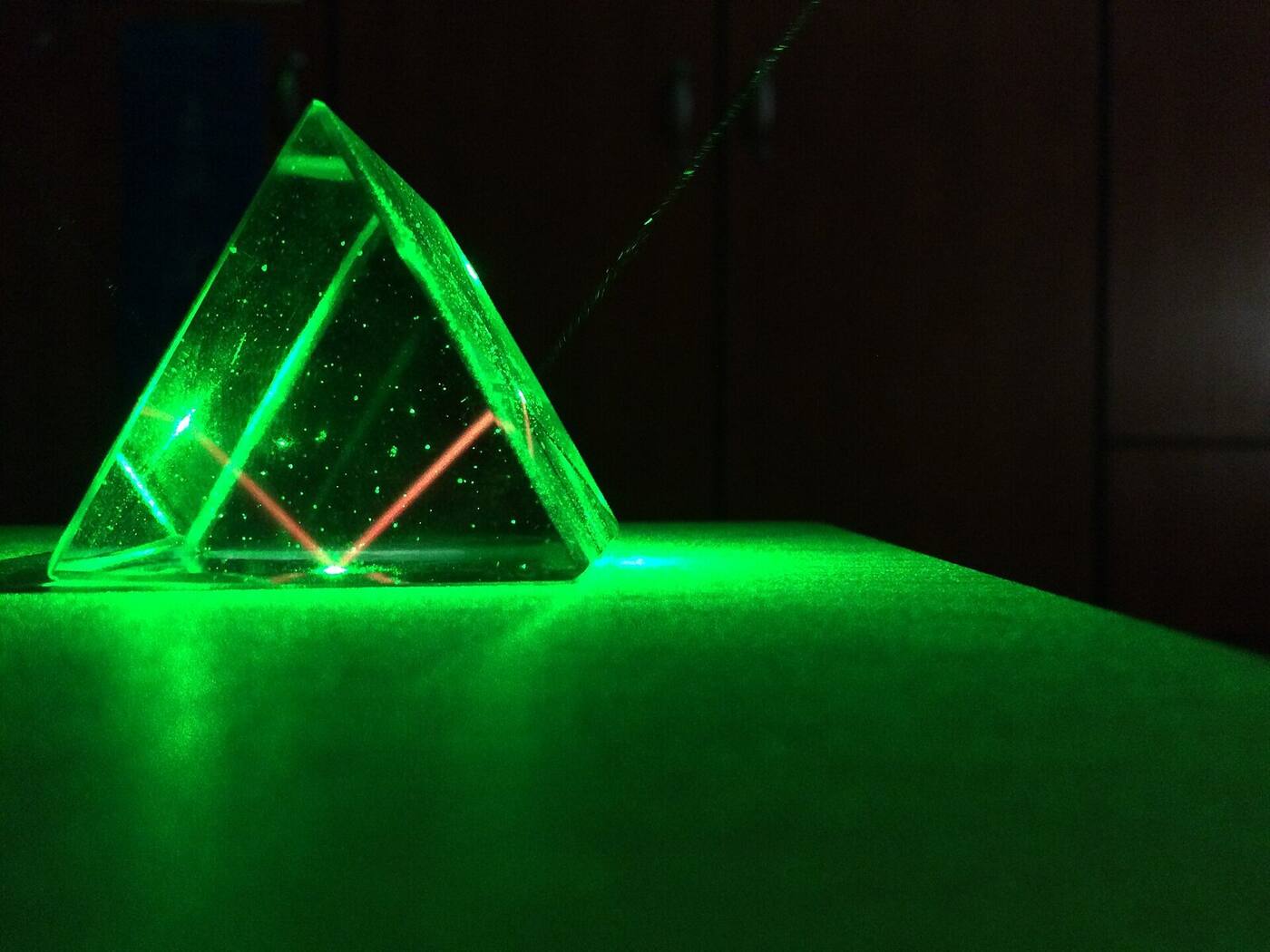
This mutual relationship allows electromagnetic waves to travel through space.
Why is it important?
Electromagnetism explains generators, motors, transformers, antennas, radio, optical systems, sensors and much of electronics.
It connects circuit approximations to the fields and waves that make those approximations work.
History and future
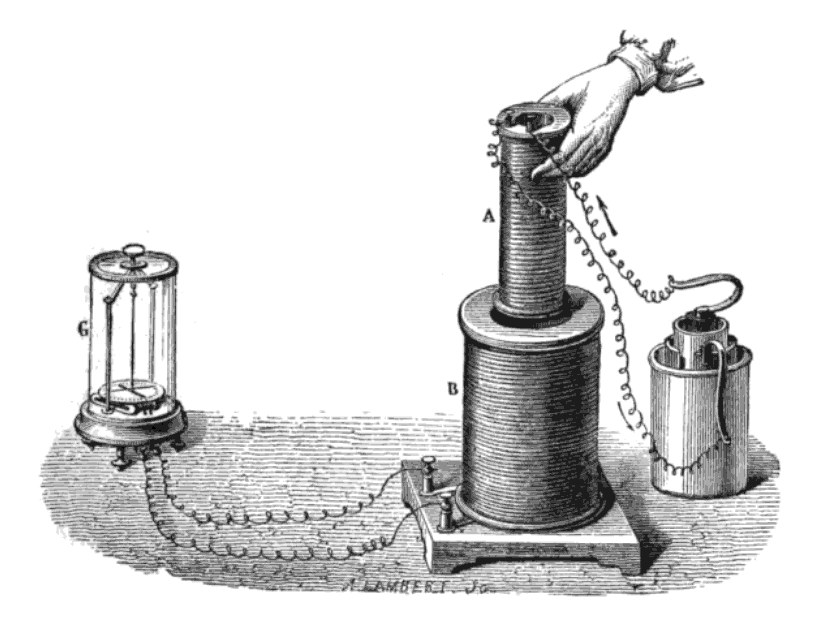
Experiments by Faraday and others, together with Maxwell's synthesis, established the classical theory. Relativity later showed that electric and magnetic fields are aspects of one structure.
Modern challenges include high-frequency design, wireless power, photonics, plasma systems and electromagnetic compatibility.
Ai disclosure: written with the help of AI (ChatGPT). You are encouraged to point out errors and omissions.