



Retired electrician / Wikimedia Commons — CC0
What electrical potential difference means and how it drives energy transfer in circuits.
What is voltage?
Voltage is electrical potential difference: the change in energy per unit charge between two points.
It is measured in volts. A voltage does not describe a single point in isolation; it describes a relationship between points or between a point and a chosen reference.
What does voltage do?
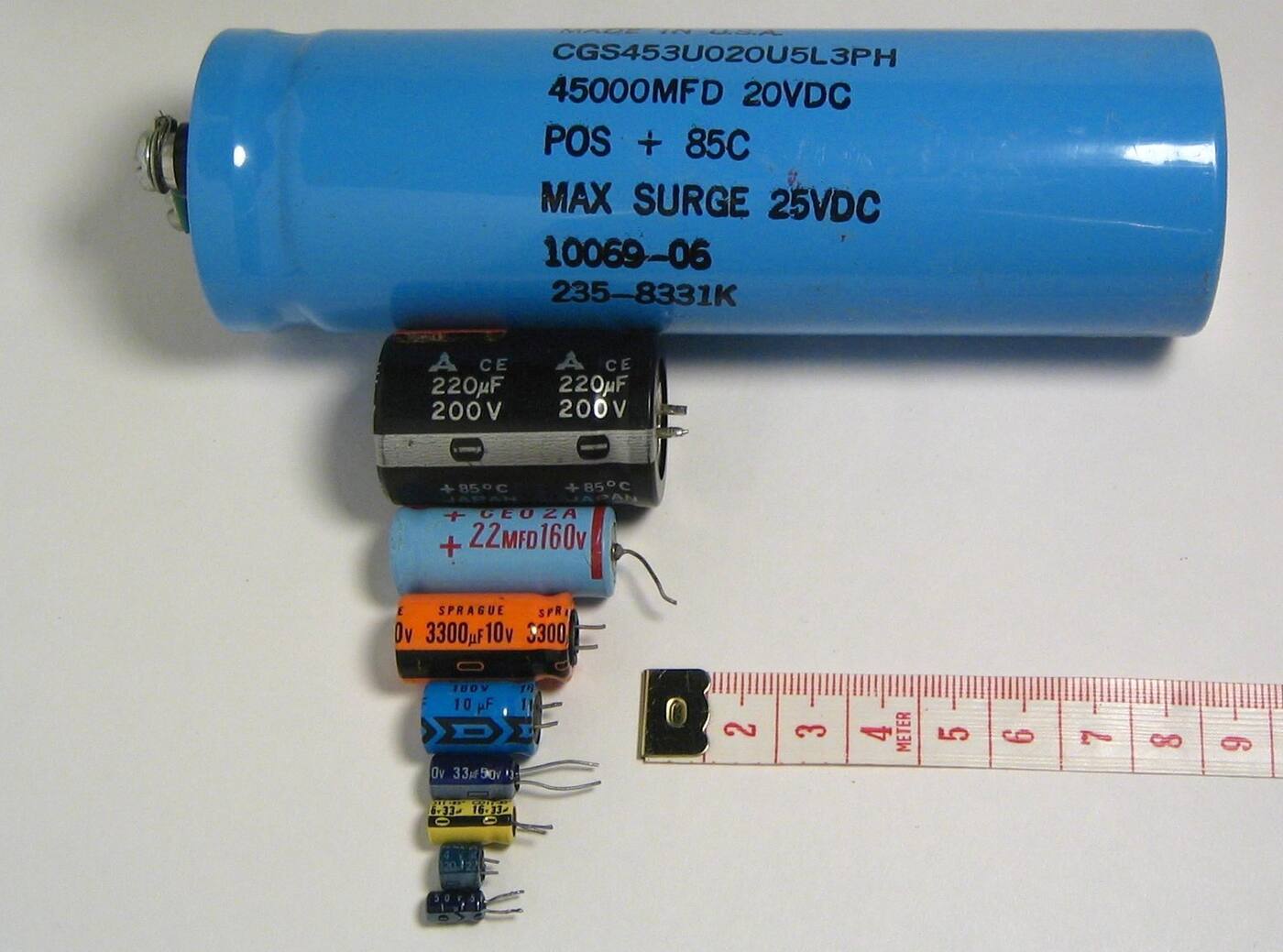
Voltage can drive current through an impedance, charge a capacitor, bias a semiconductor or establish an electric field.
A source such as a battery separates charge and maintains a potential difference. A load converts energy as charge moves through it.
Common mistakes
Voltage is not the same as current. A high voltage can exist with almost no current, and a large current can flow at a low voltage.
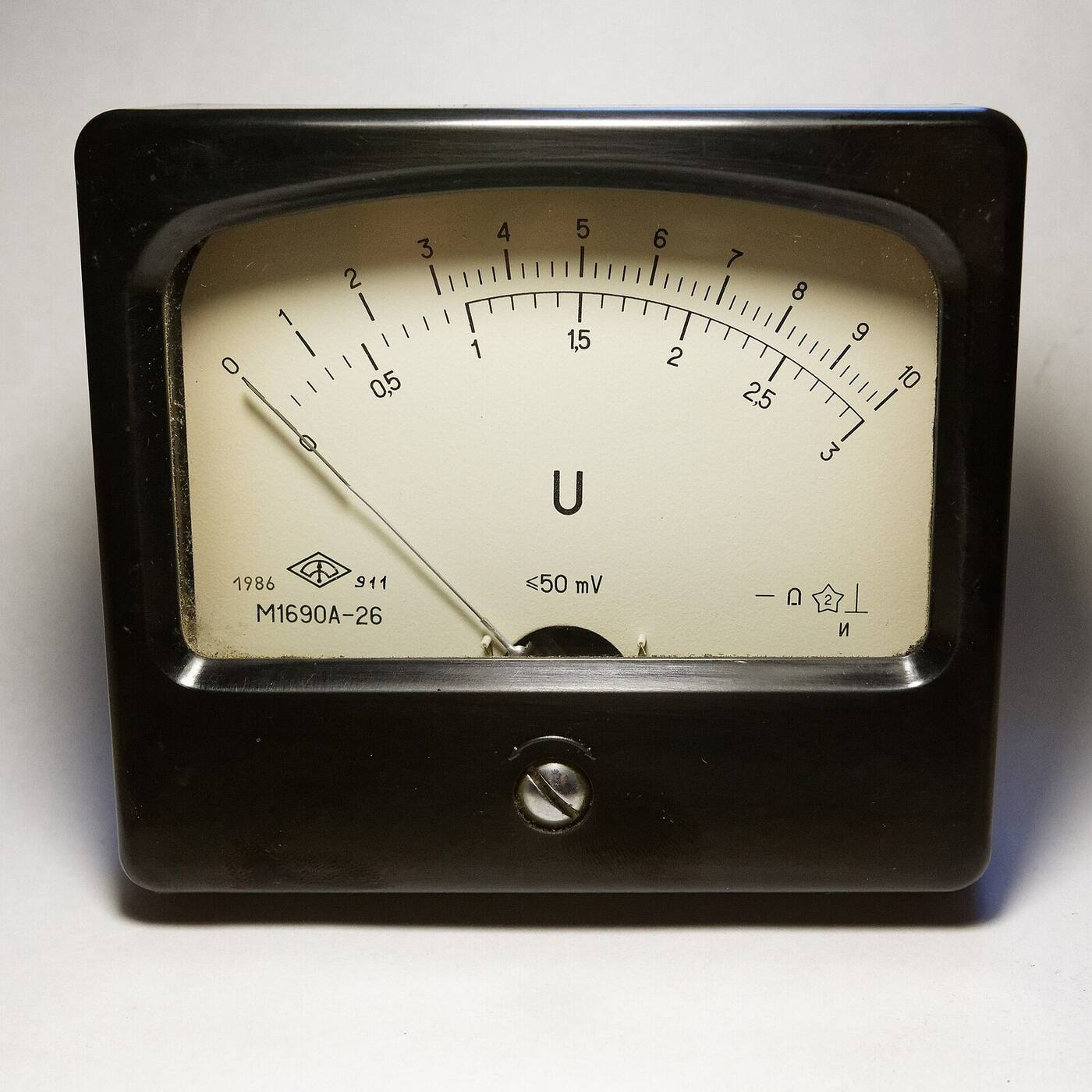
A meter also changes the circuit it measures, so its input resistance matters.
Why is it important?
Voltage is a convenient way to analyze circuits, specify insulation requirements and compare energy transfer.
It is central to electronics, power systems, measurement and safety.
Ai disclosure: written with the help of AI (ChatGPT). You are encouraged to point out errors and omissions.