


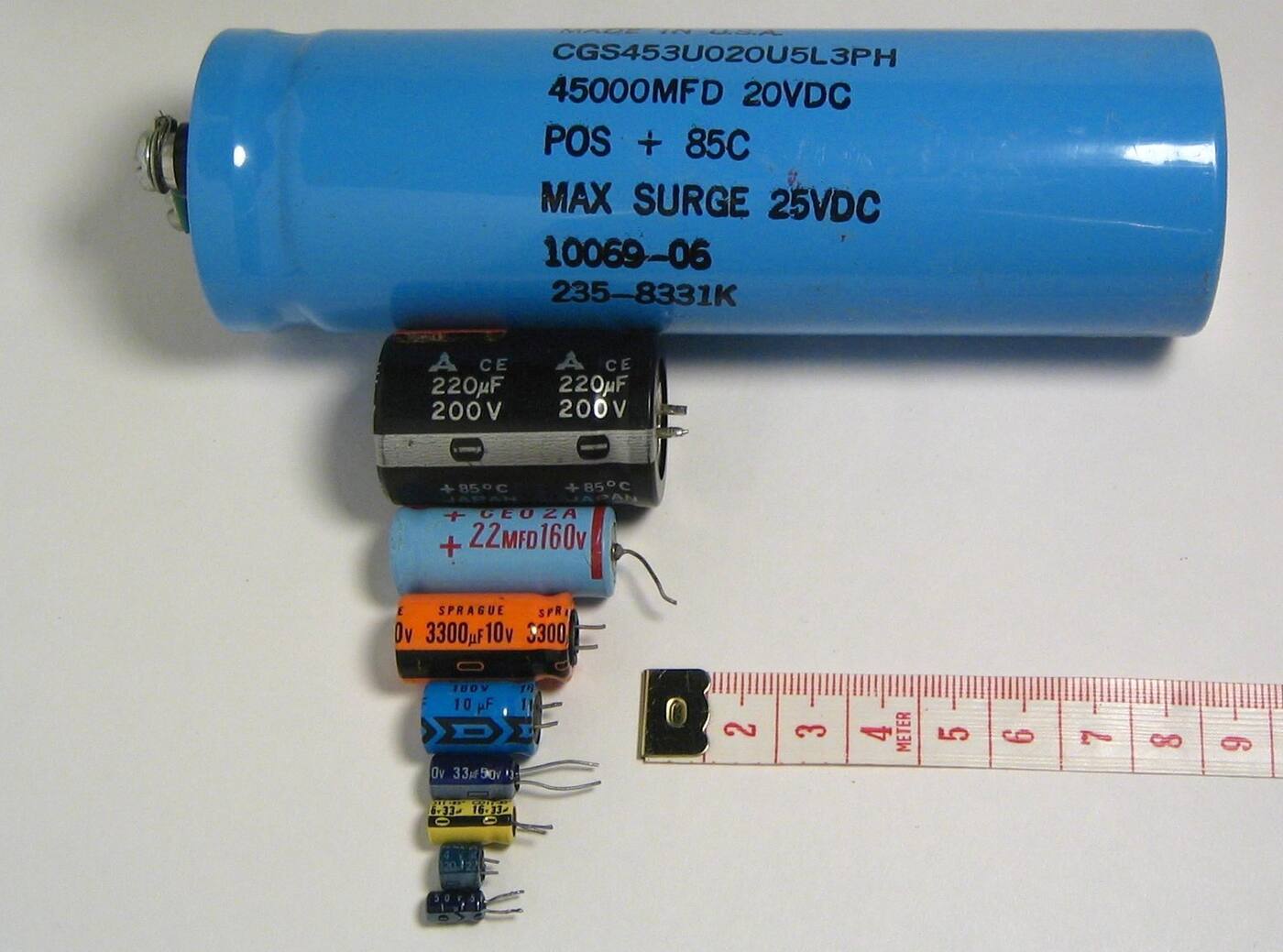
Peripitus / Wikimedia Commons — CC BY-SA 4.0
How changing current induces opposing voltage, stores energy in magnetic fields, and shapes electrical circuits.
What is inductance?
Inductance is the property of an electrical conductor or circuit that opposes any change in electric current passing through it: V = L (dI/dt).
It is measured in henrys. An inductor is an electrical component designed to provide concentrated inductance, usually formed by coiling conductive wire around a magnetic core. Stray inductance also exists in every wire, trace and component lead.
How does it work?
When current flows through a conductor, it generates a magnetic field around it. If the current changes, that magnetic field expands or collapses.
By Faraday's law of induction and Lenz's law, a changing magnetic flux induces an electromotive force (voltage) that directly opposes the change in current that produced it. Because of this, current through an inductor cannot change instantaneously.
What determines it?
For a simple coil, inductance increases with the square of the number of turns and the cross-sectional area, and decreases with the coil's length.
The core material has a decisive effect: a ferromagnetic core (such as iron or ferrite) concentrates magnetic flux and dramatically multiplies inductance compared to an air core, though magnetic cores can saturate when current becomes too high.
Why is it important?
Inductance is fundamental to managing energy and electrical signals.
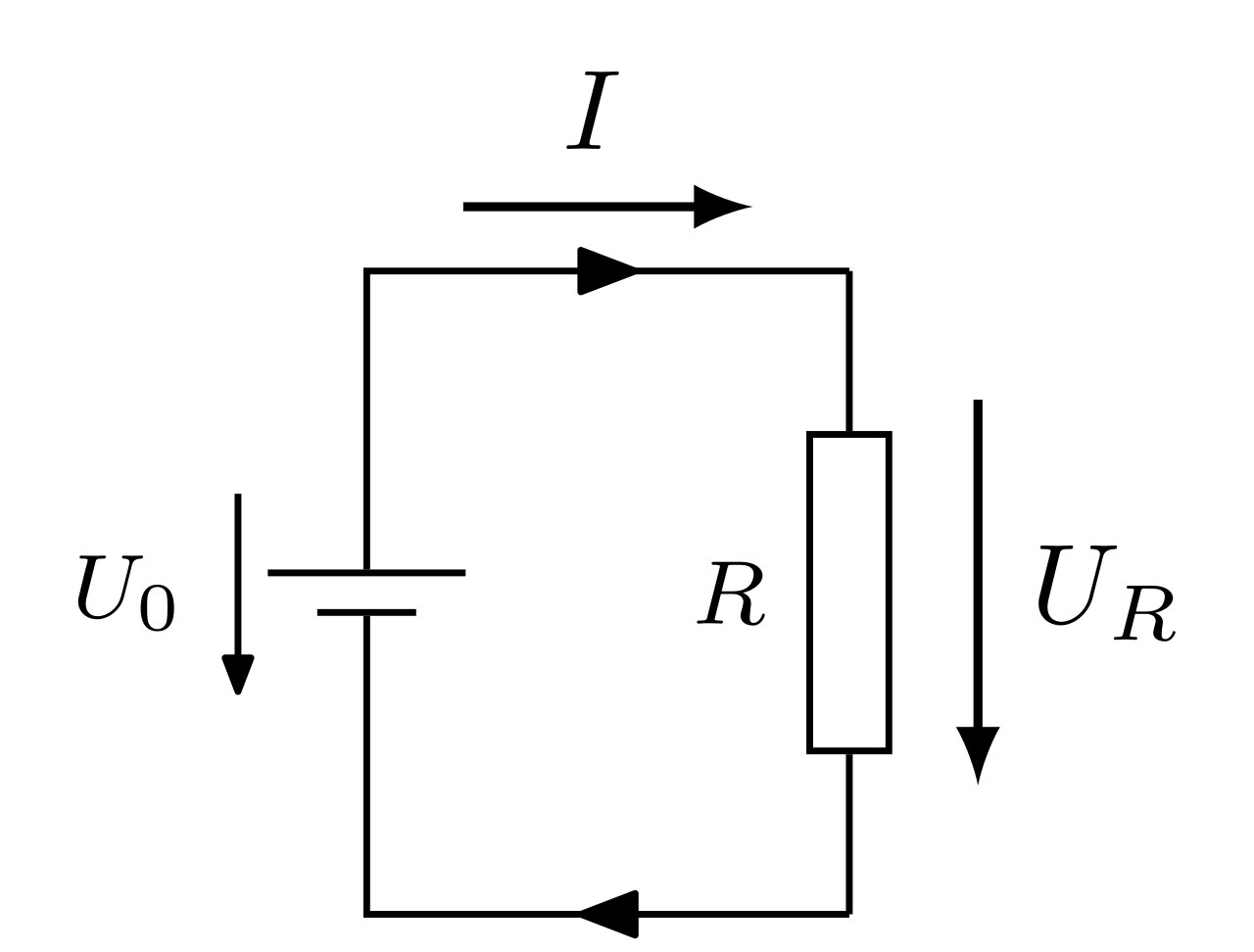
Together with resistance it sets a characteristic time scale τ = L / R. Together with capacitance it forms resonant LC circuits that can select frequencies, filter unwanted noise and sustain oscillations.
Inductors store energy in their magnetic field. That makes them indispensable in transformers, switch-mode power converters, motors and chokes that block high-frequency electromagnetic interference while allowing direct current to pass.
Limits and non-ideal effects
Real inductors are never pure inductance. The coiled wire introduces series resistance, adjacent turns create parasitic capacitance, and magnetic cores incur hysteresis and eddy current losses.
In high-speed digital circuits, rapid switching causes sudden current transients (dI/dt). This generates inductive voltage spikes and ground bounce across traces and power pins that circuit designers must carefully suppress.
Ai disclosure: written with the help of AI (ChatGPT). You are encouraged to point out errors and omissions.