
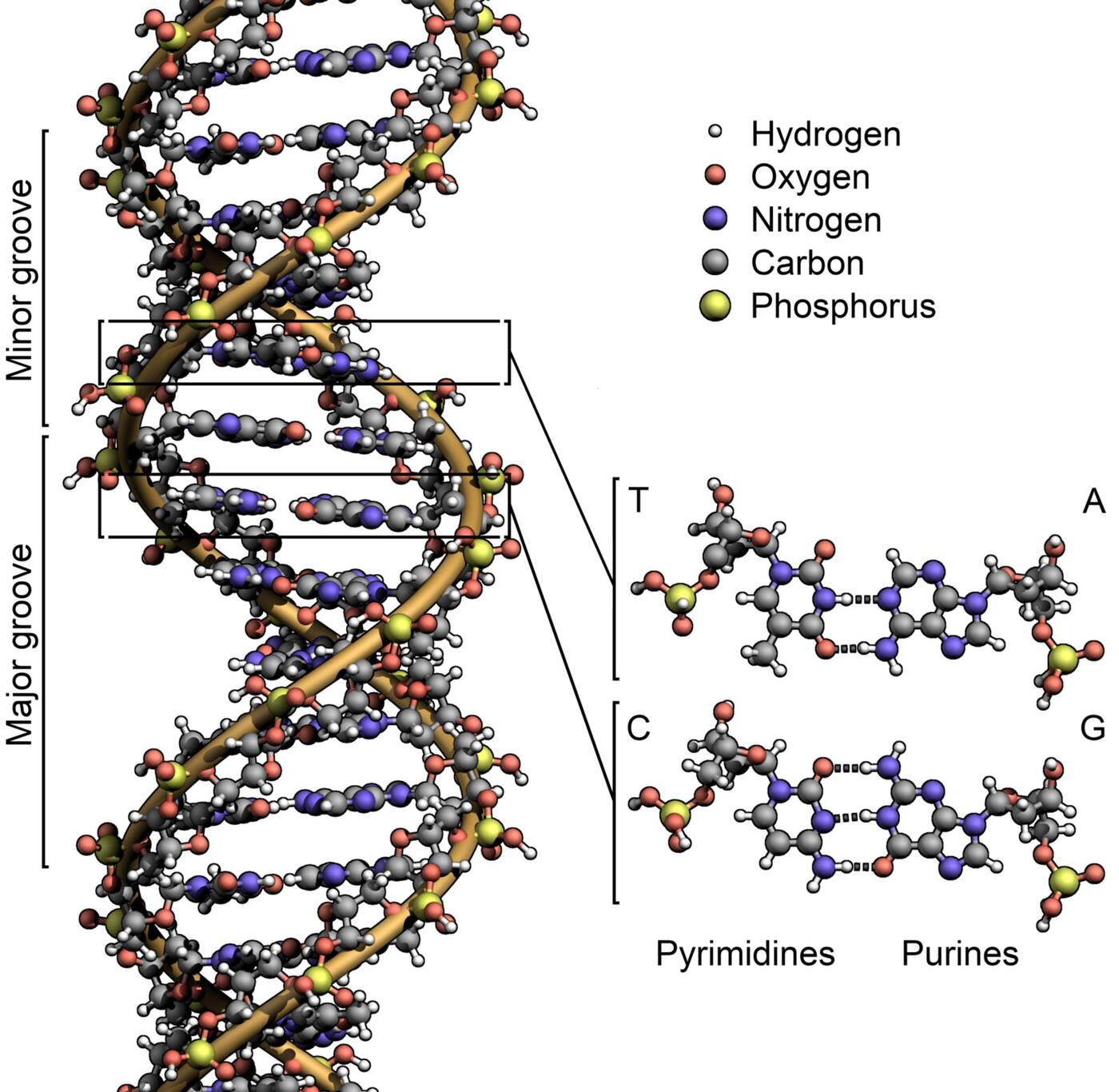



Saidelo / Wikimedia Commons — CC BY-SA 4.0
The study of matter, energy, fields, motion and the laws used to describe nature.
What is physics?
Physics is the study of matter, energy, space, time, fields and the relationships that let us predict observations.
It does not merely collect facts. It builds models, measures their consequences and revises them when evidence demands.
Major connections
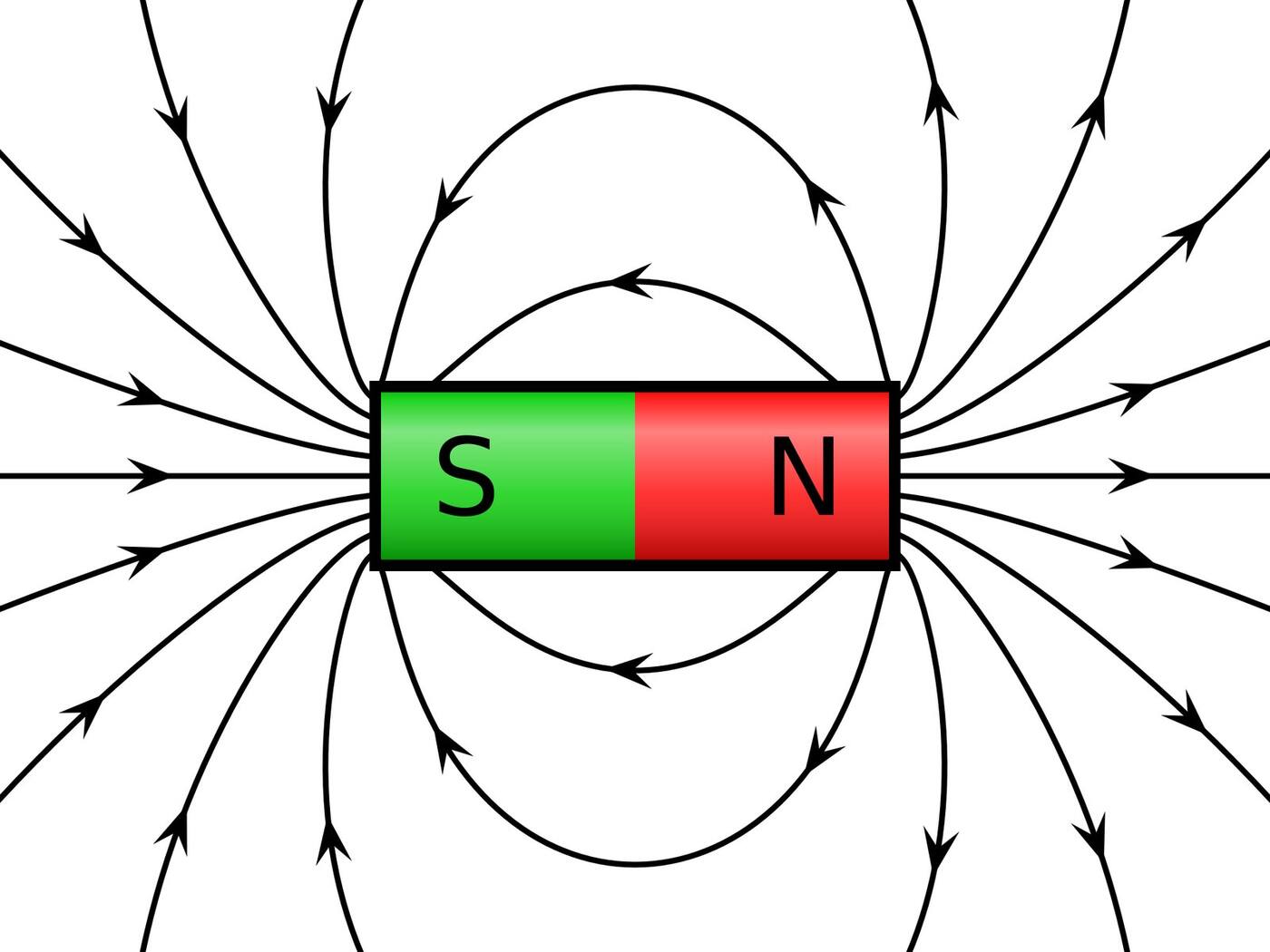
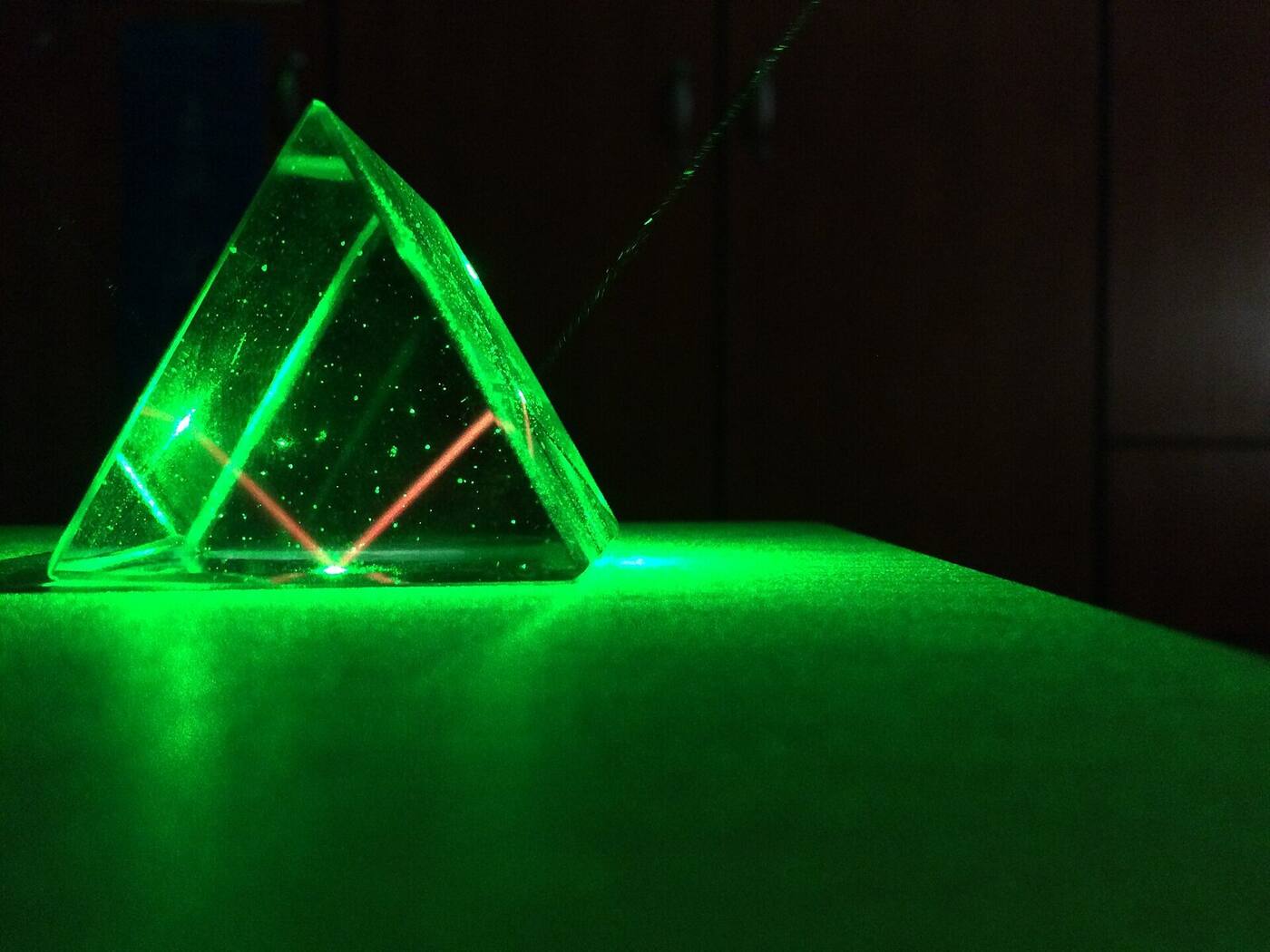
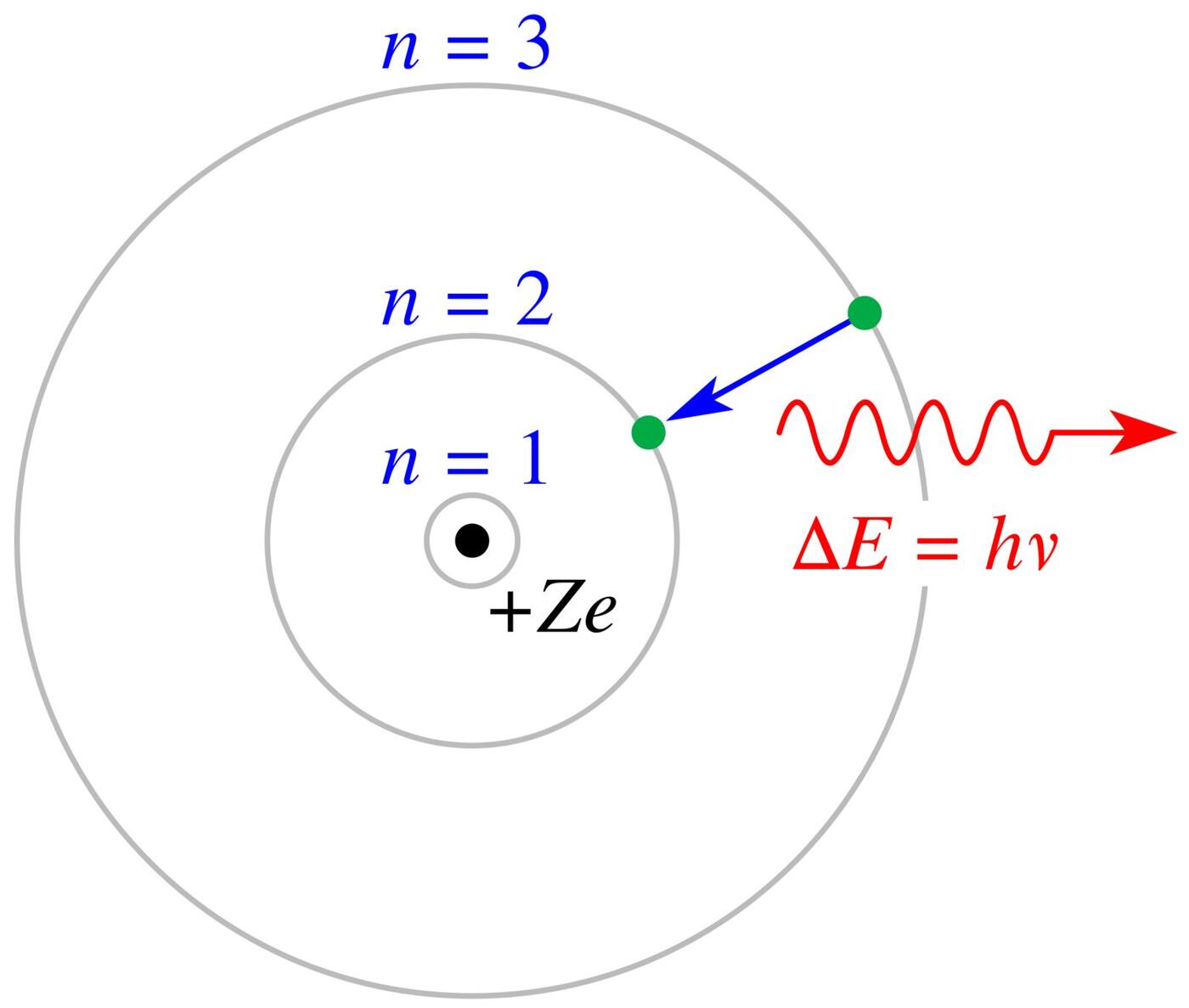
Classical mechanics describes motion at everyday scales. Thermodynamics studies energy, heat and disorder. Electromagnetism describes charge, fields and light. Quantum physics describes atomic and subatomic behavior. Relativity describes space, time and gravity in regimes where classical ideas fail.
These areas overlap rather than forming isolated boxes.
Why is physics important?
Physics supplies concepts and equations behind electricity, electronics, optics, medicine, materials, communications, computing and energy systems.
It also teaches disciplined reasoning: define quantities, state assumptions, measure uncertainty and distinguish a model from reality.
Future
Physics will continue to meet engineering in new materials, climate science, quantum technologies, astrophysics and biological systems.
Its value is both practical and intellectual: understanding nature expands what humanity can build and what it can responsibly choose to build.
Ai disclosure: written with the help of AI (ChatGPT). You are encouraged to point out errors and omissions.