


Why voluntary exchange creates mutual benefit, drives specialization, and forms the basis of commerce.
What is trade?
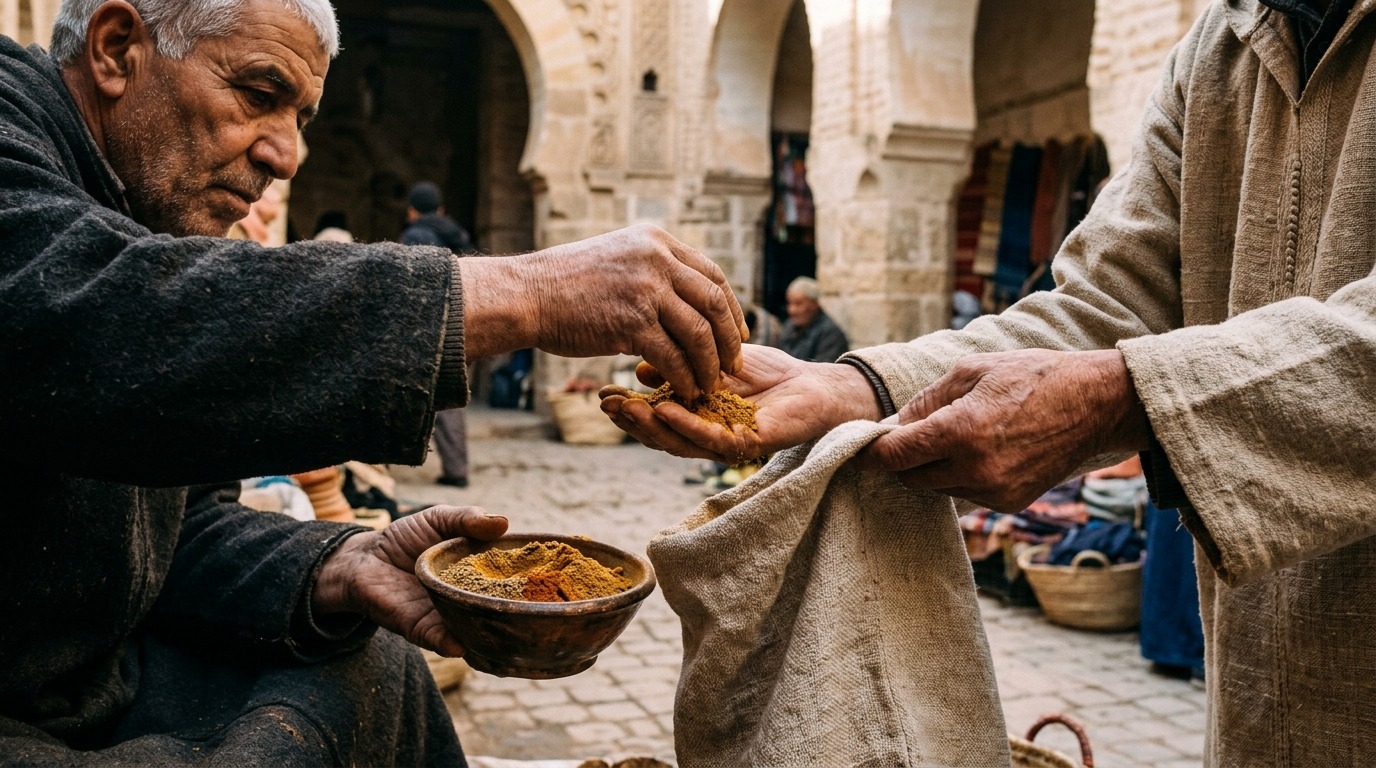
Trade is the voluntary exchange of goods, services, or money between two or more parties. Because each party only agrees to a voluntary trade if they value what they receive more than what they give up, trade creates mutual benefit. It is not a zero-sum game; it creates new value for both participants.
Why do people trade?
No single individual, town, or nation can produce everything needed efficiently. Trade allows people to specialize in what they do best: a farmer grows crops, a carpenter builds furniture, and a programmer writes software. By exchanging their surpluses, everyone enjoys a wider variety and higher quality of goods than if each tried to be completely self-sufficient.
Comparative advantage
Even if one person or country is better at producing everything than another, trade still benefits both. By concentrating effort on the activity where their relative efficiency is highest (their comparative advantage) and trading for the rest, the total productive output of the whole system increases.
Topics
- Barter — Direct exchange without money, and the frictions that led to currency.
Ai disclosure: written with the help of AI (ChatGPT). You are encouraged to point out errors and omissions.