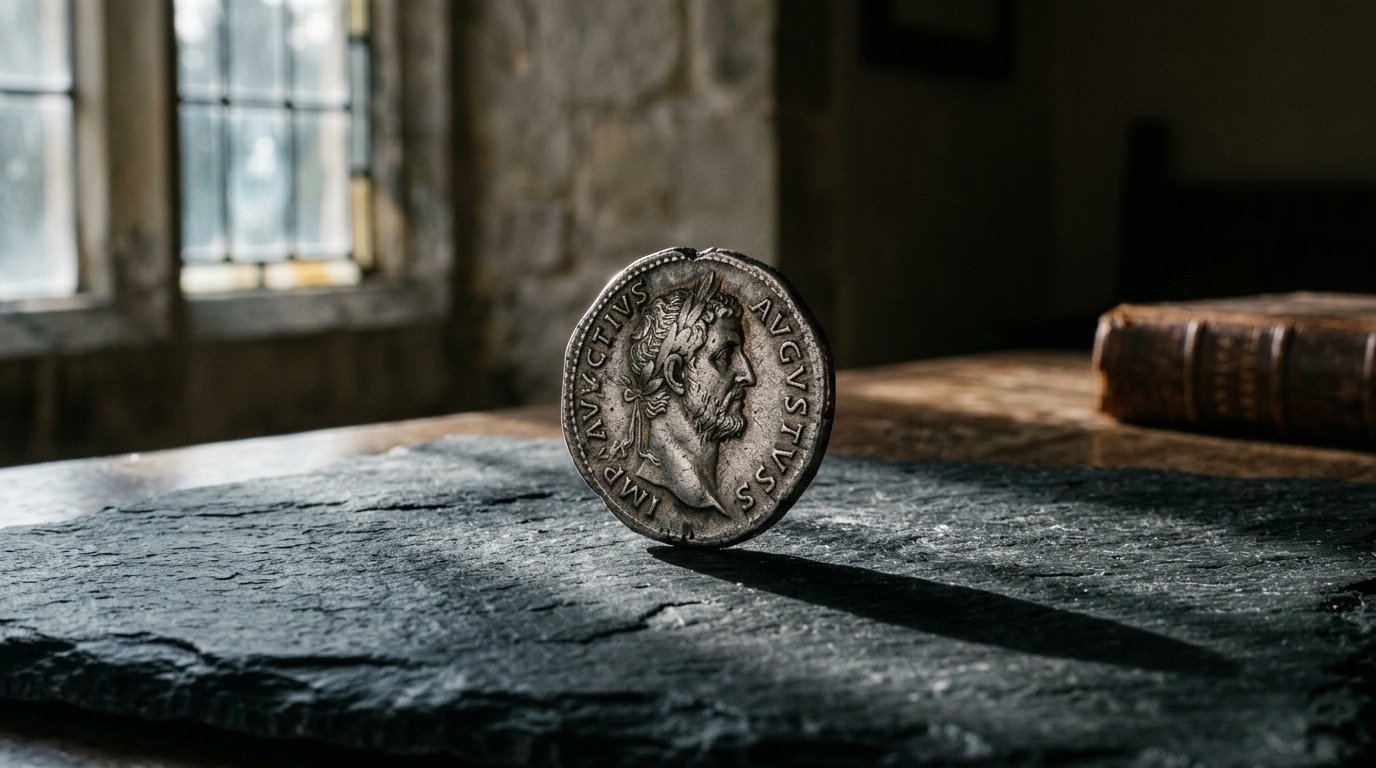




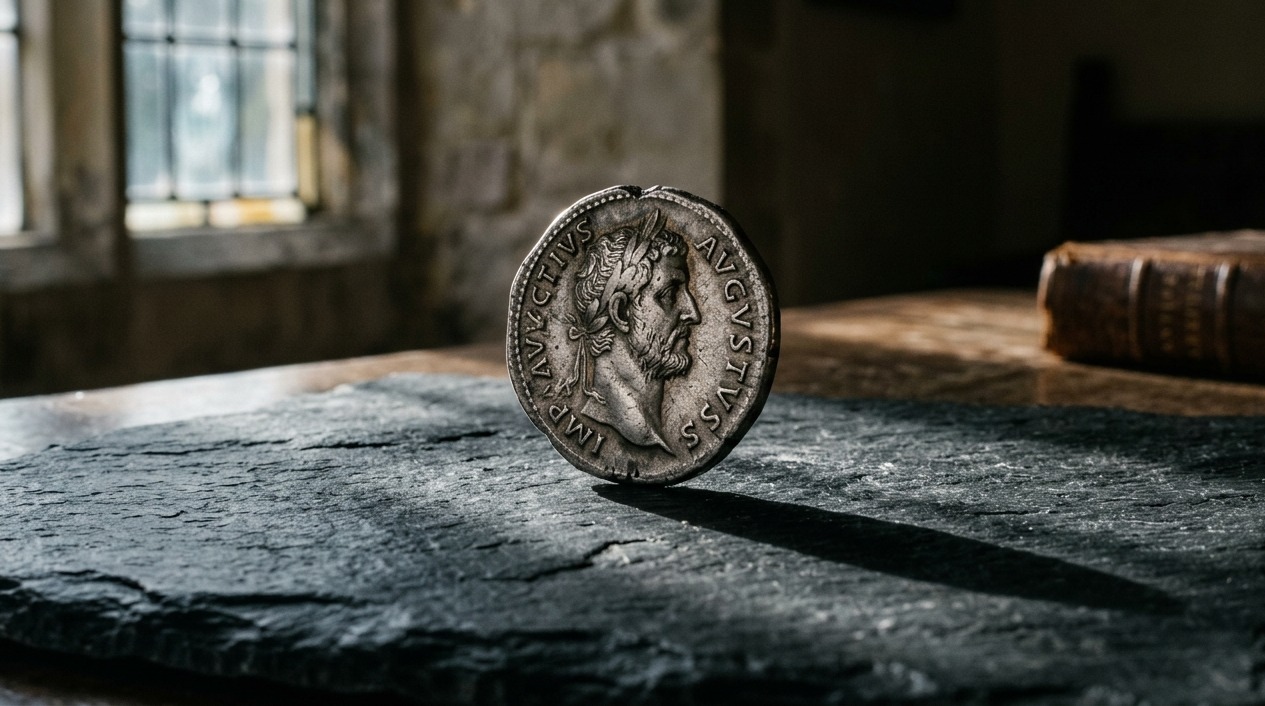
Ahsen / Pexels — Pexels License
Why different countries have different currency values, and the fundamental economic forces that drive exchange rates.
What is an exchange rate?
An exchange rate is the price of one country's currency expressed in terms of another country's currency. For example, if 1 US dollar equals 85 Indian rupees, the exchange rate is USD/INR = 85.
Why do different countries have different exchange rates?
Currencies are traded around the clock in the global foreign exchange (forex) market. Just like any other good, the exchange rate is determined by supply and demand: how many people want to buy that currency compared to how many want to sell it.
Key forces driving currency values
Five main economic factors dictate whether a currency strengthens or weakens:
- Trade balance (Exports vs Imports) — When a country exports goods that global buyers demand, foreigners must purchase the exporter's local currency to pay for them, driving up its value. Heavy net importers constantly sell local currency to buy foreign goods, putting downward pressure on their exchange rate.
- Interest rates — Central banks set benchmark interest rates. Higher interest rates offer lenders better returns than other nations, attracting foreign investment capital and strengthening the currency.
- Inflation differentials — A country with persistently high inflation sees its domestic purchasing power erode rapidly. According to Purchasing Power Parity (PPP), high-inflation currencies tend to depreciate against currencies with lower inflation.
- Public debt and economic stability — Countries with stable governments, strong rule of law, and manageable debt attract international confidence. Political turmoil or risk of debt default triggers rapid capital flight.
- Speculation and reserve status — Currencies like the US dollar or Swiss franc function as "safe havens." During global crises, international investors rush into them, temporarily boosting their value regardless of trade deficits.
Is a stronger currency always better?
Not necessarily. A strong currency makes imported goods, electronics, and foreign travel cheaper for citizens. However, it also makes the country's domestic exports more expensive for foreign buyers, hurting local manufacturers and agricultural producers.
Ai disclosure: written with the help of AI (ChatGPT). You are encouraged to point out errors and omissions.